Hatchback, News

Honda reveals all-new Jazz

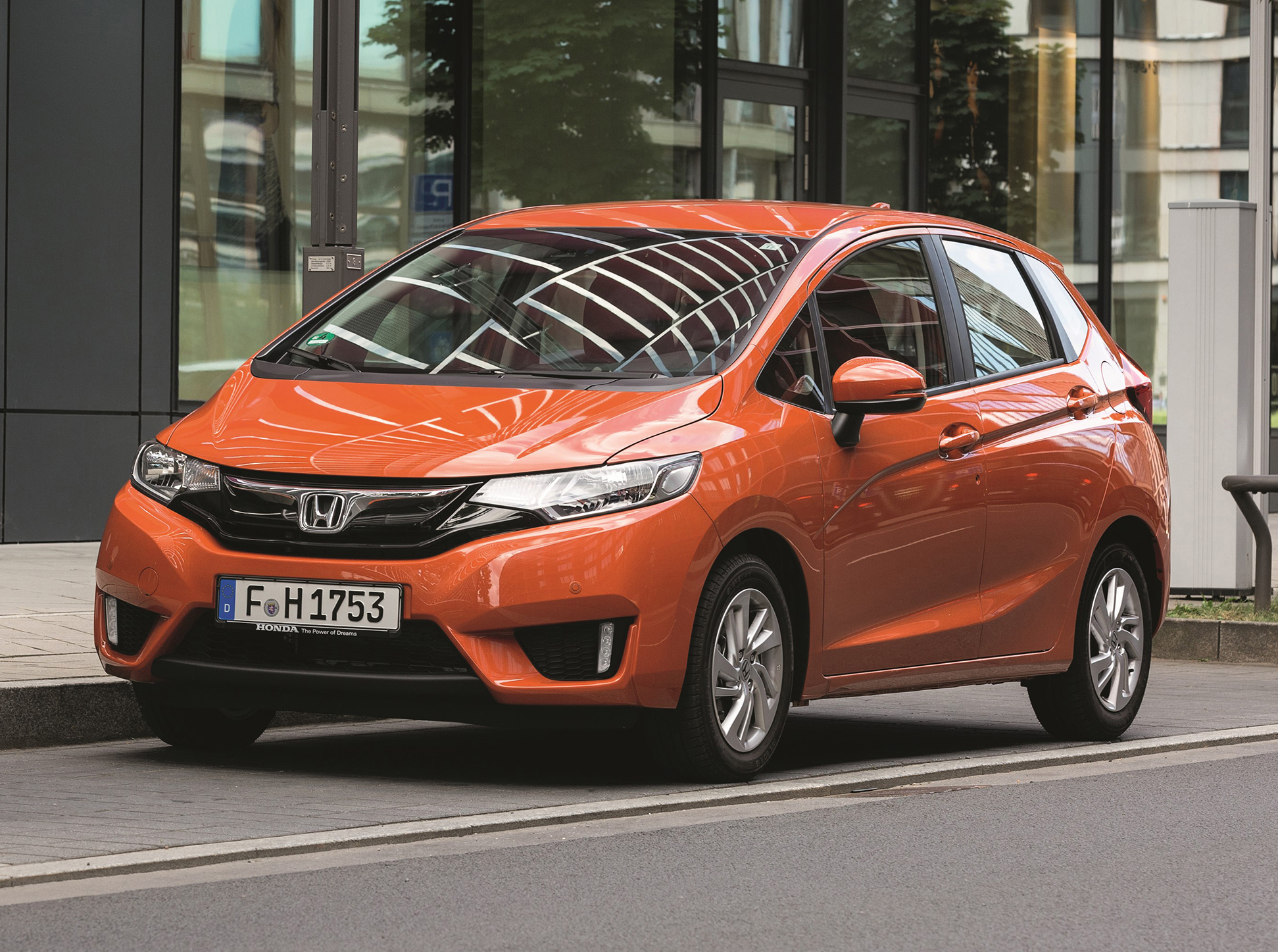
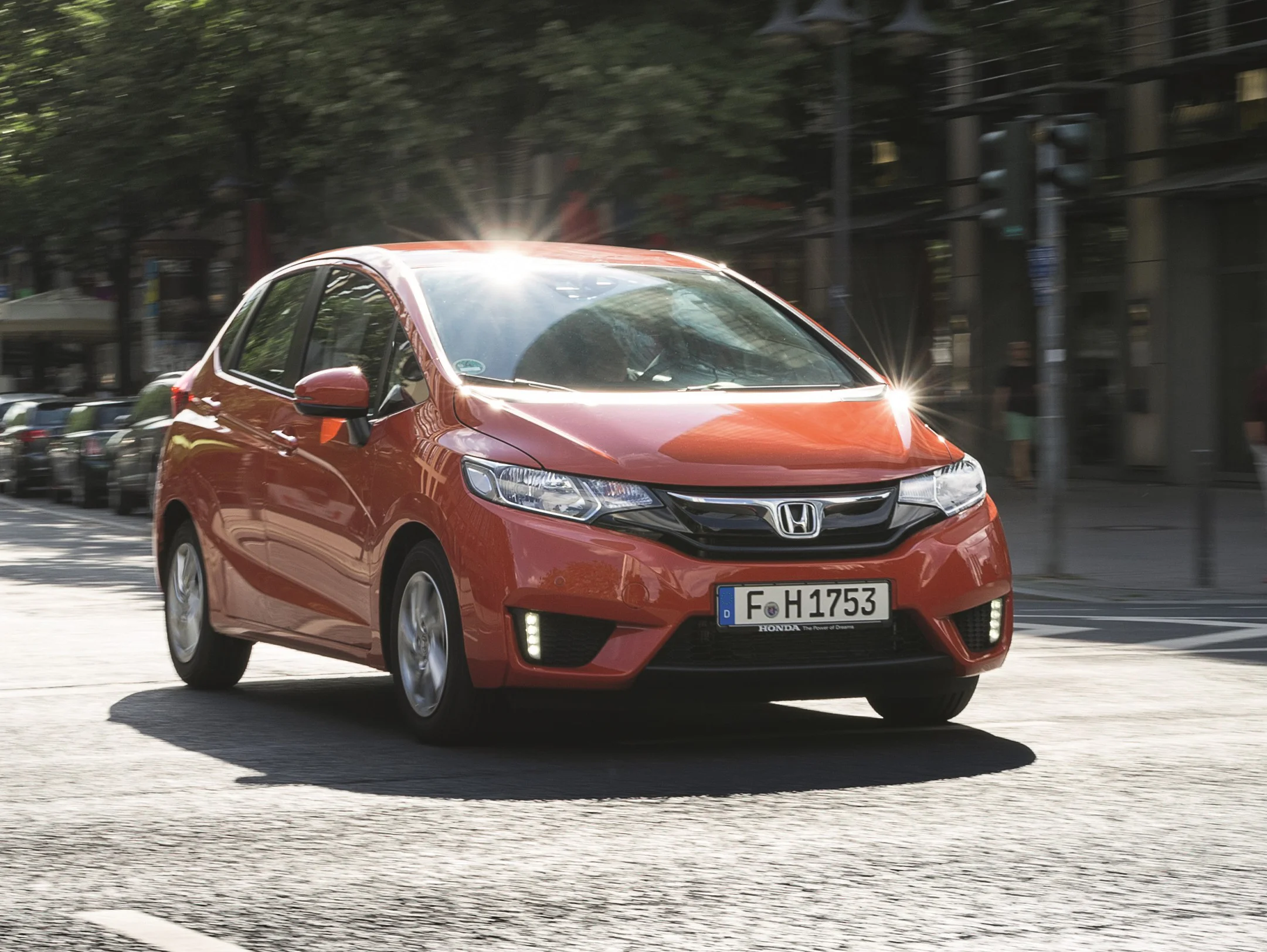
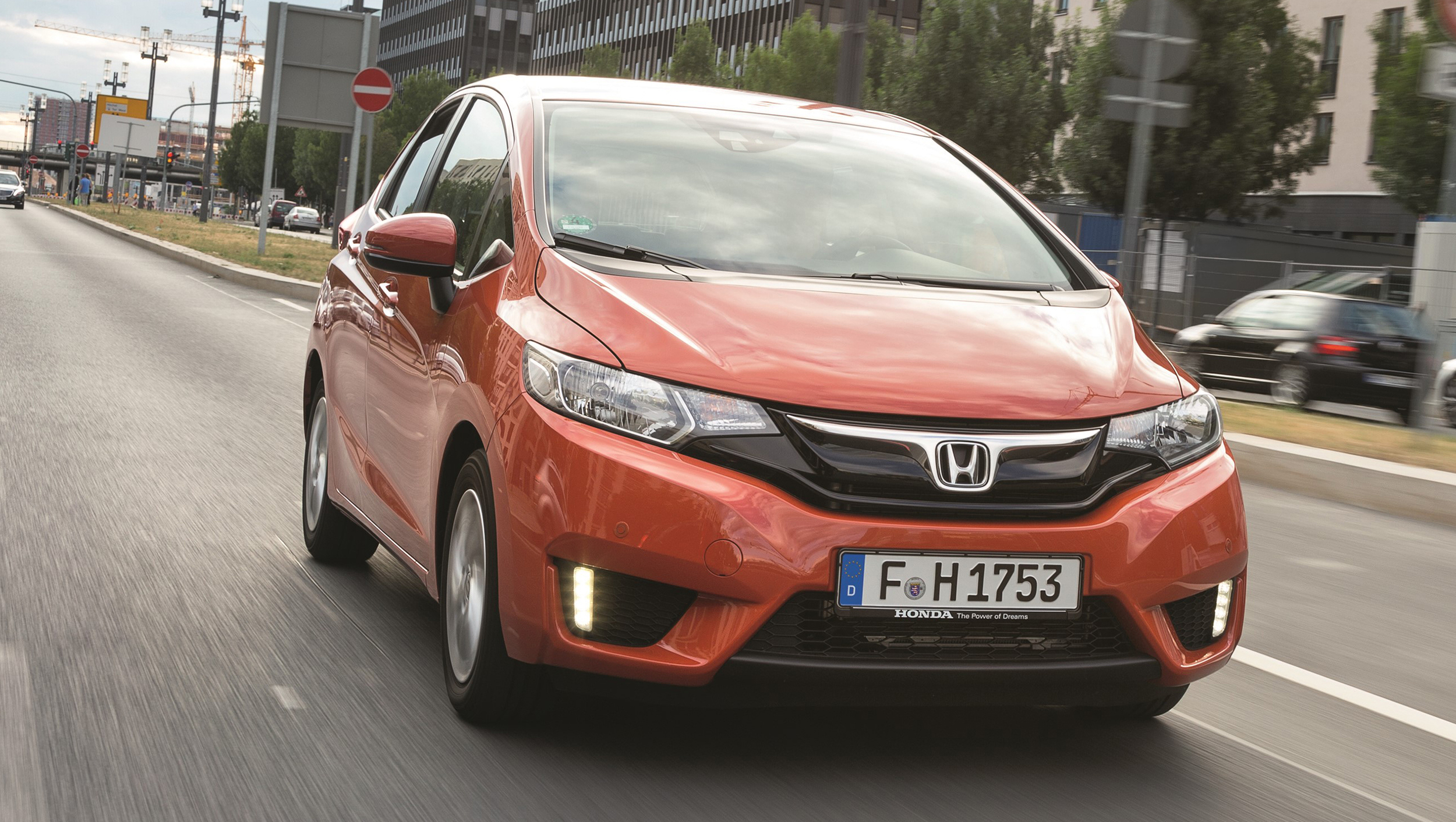
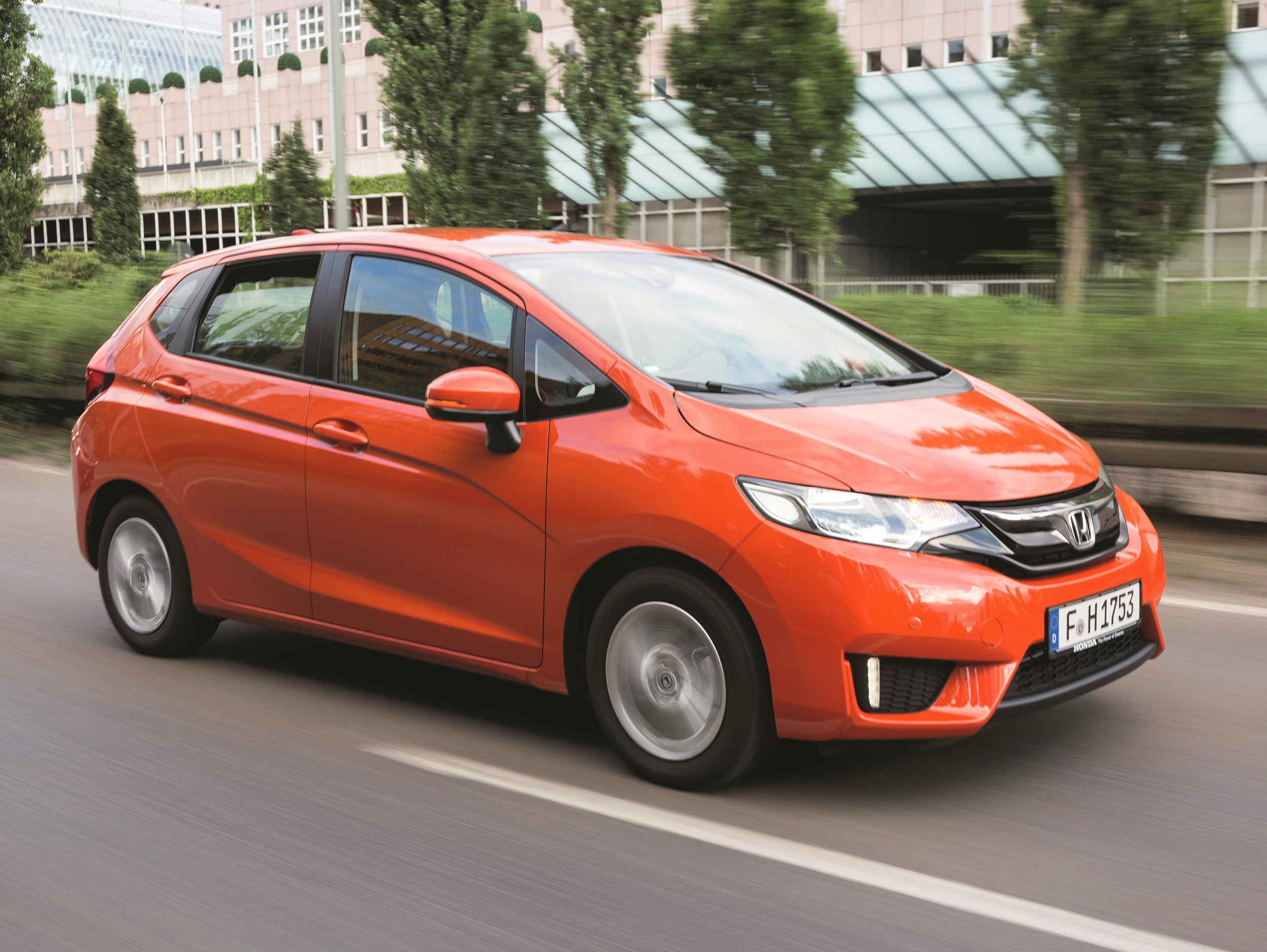
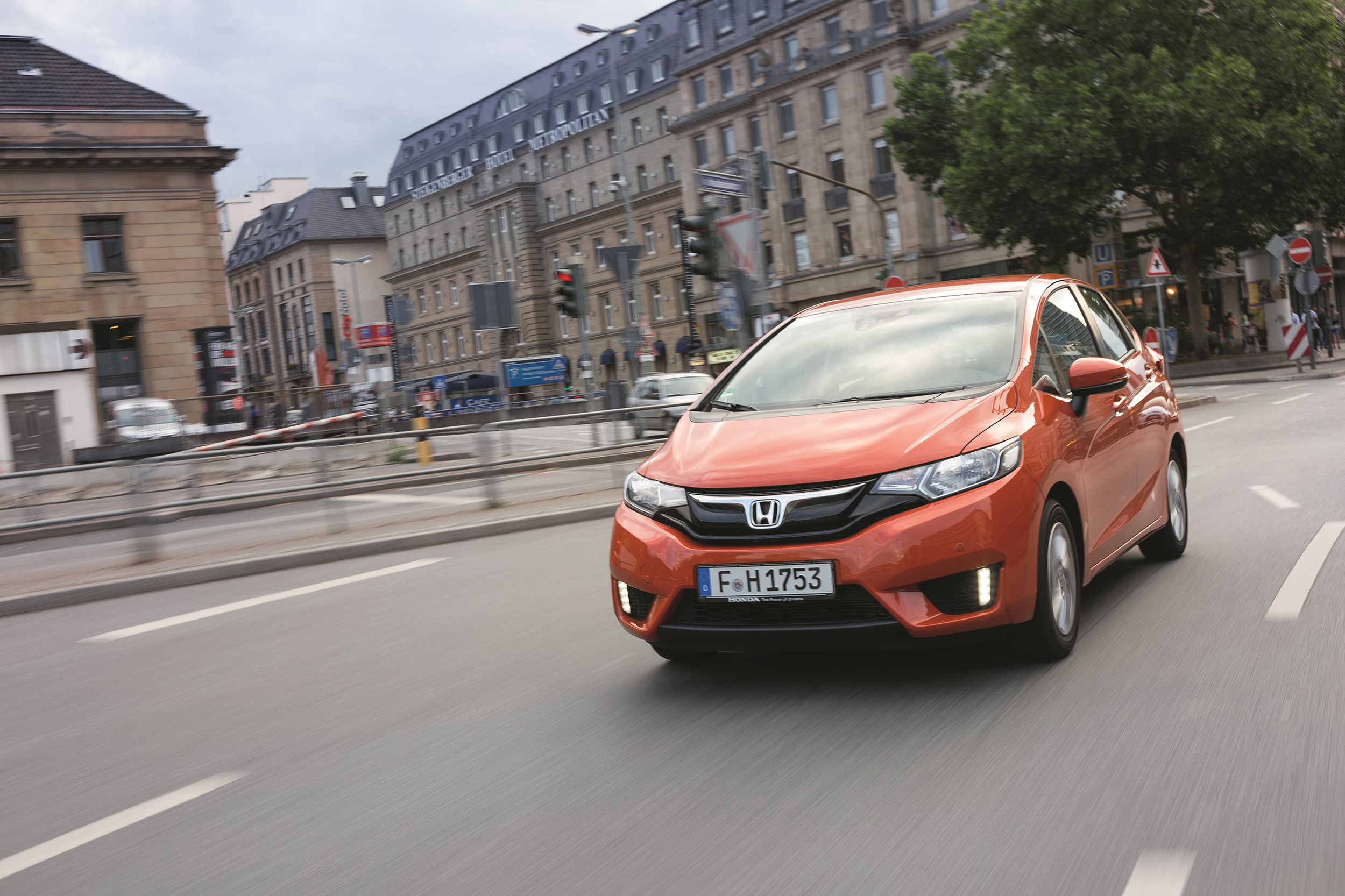
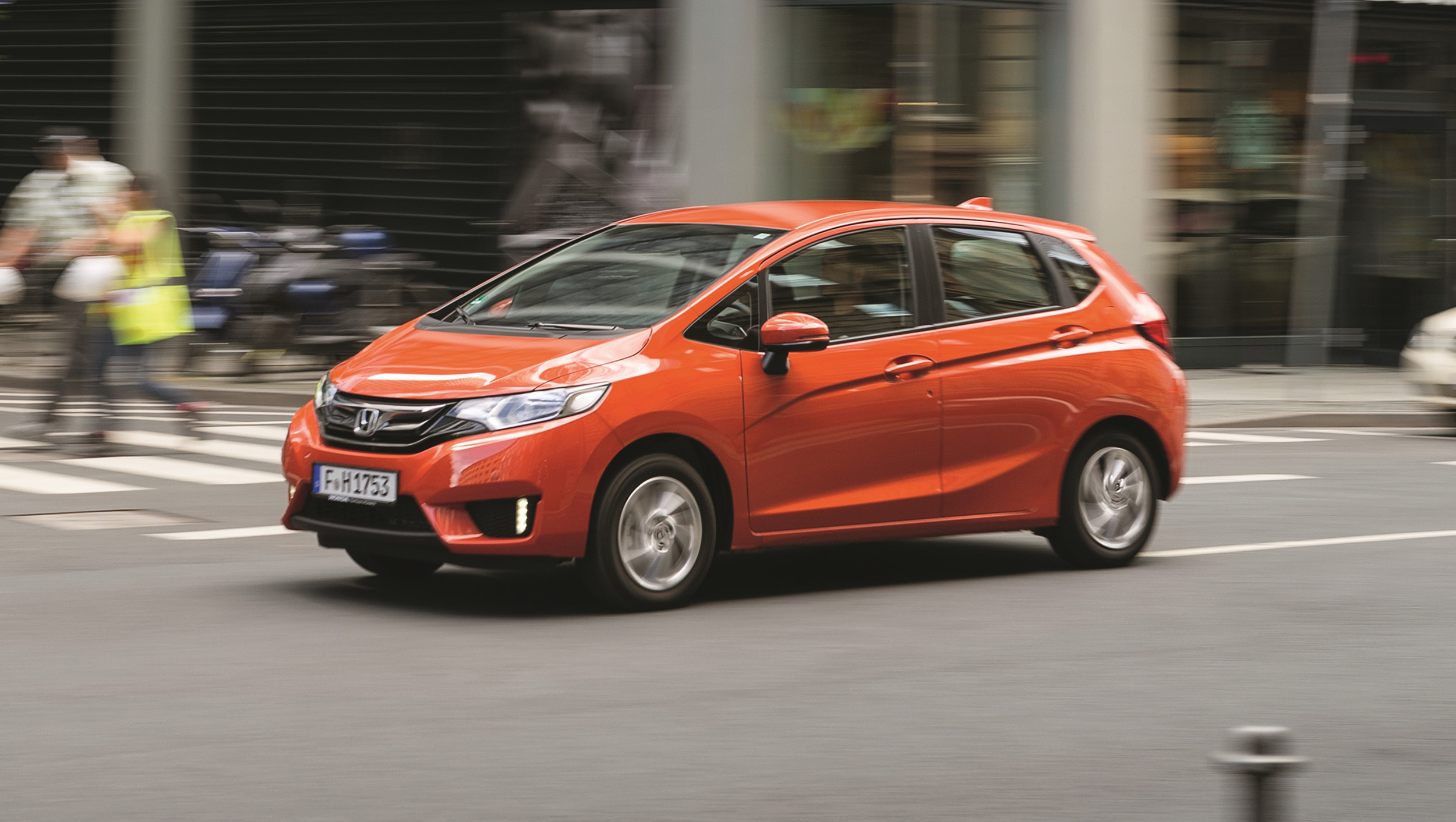
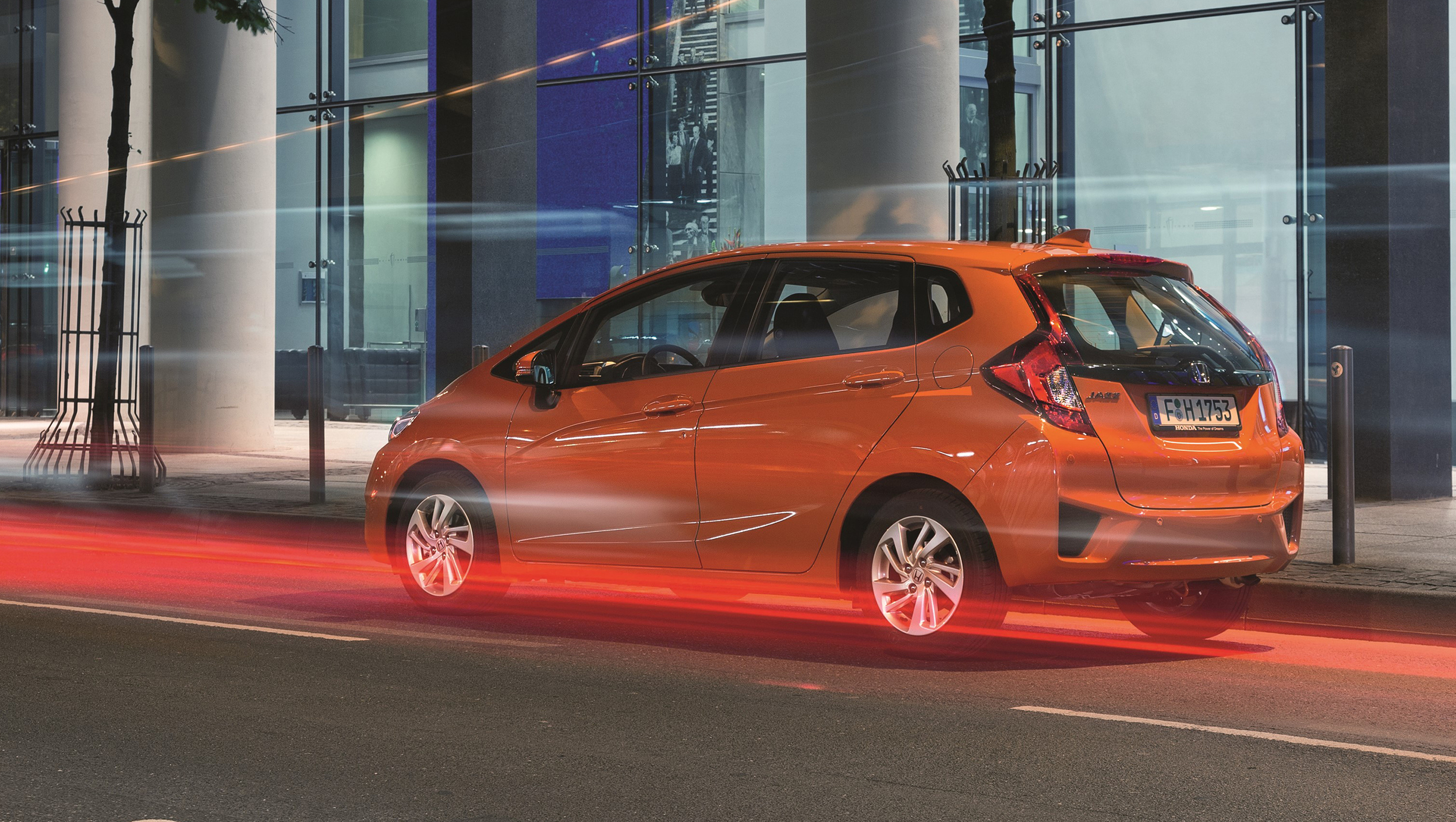
Honda has pulled the covers off its all-new Jazz supermini.

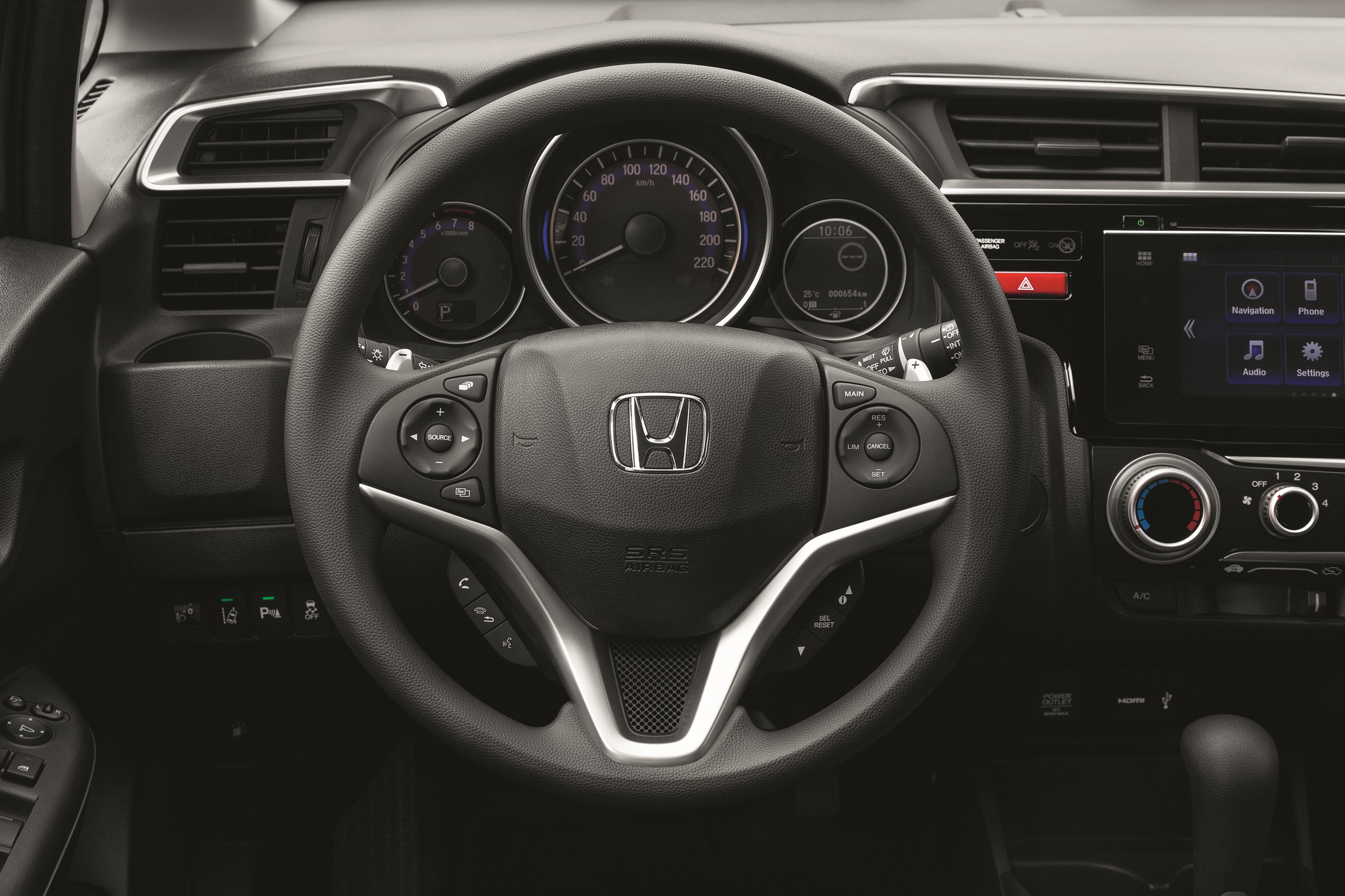
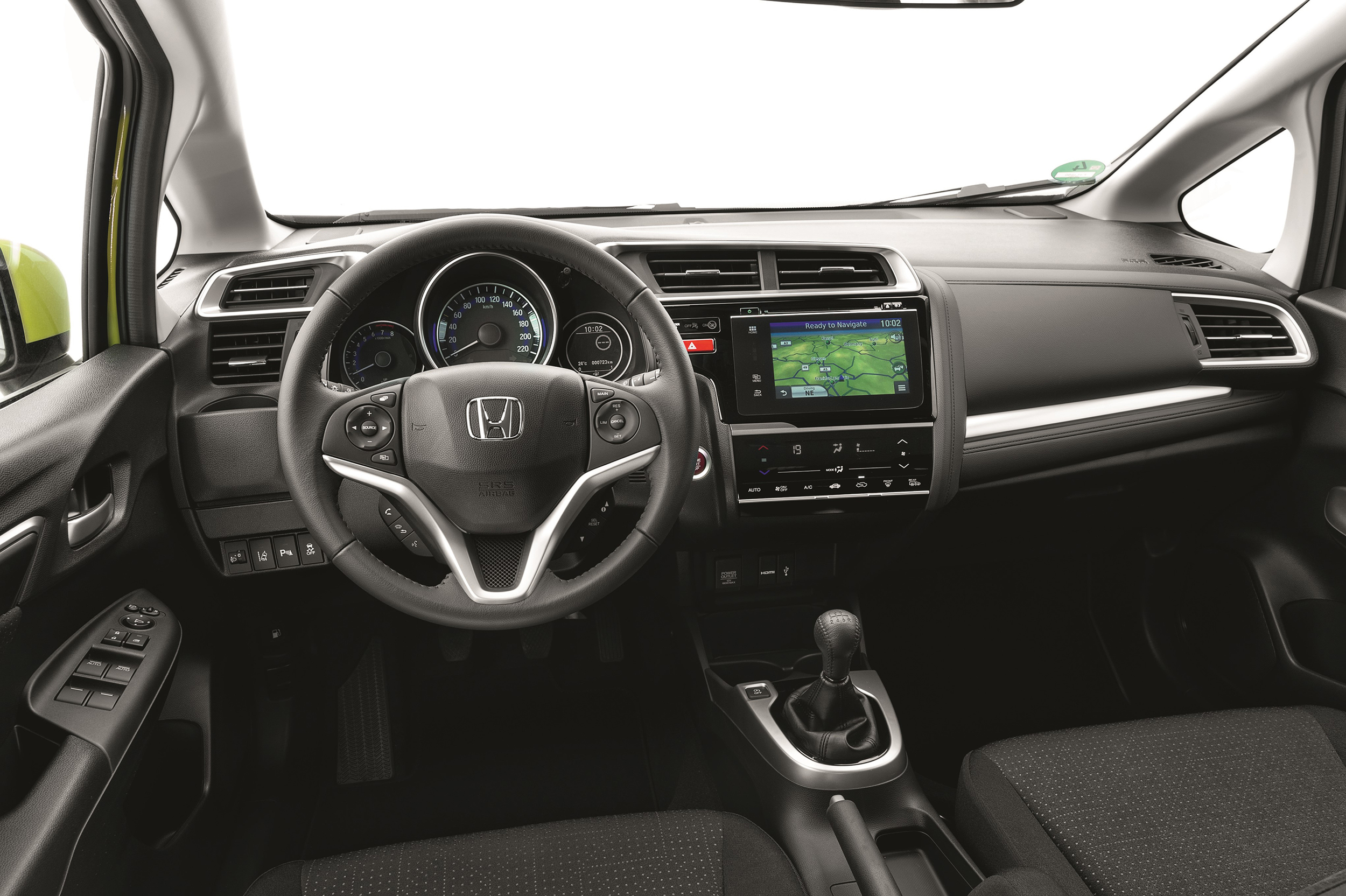
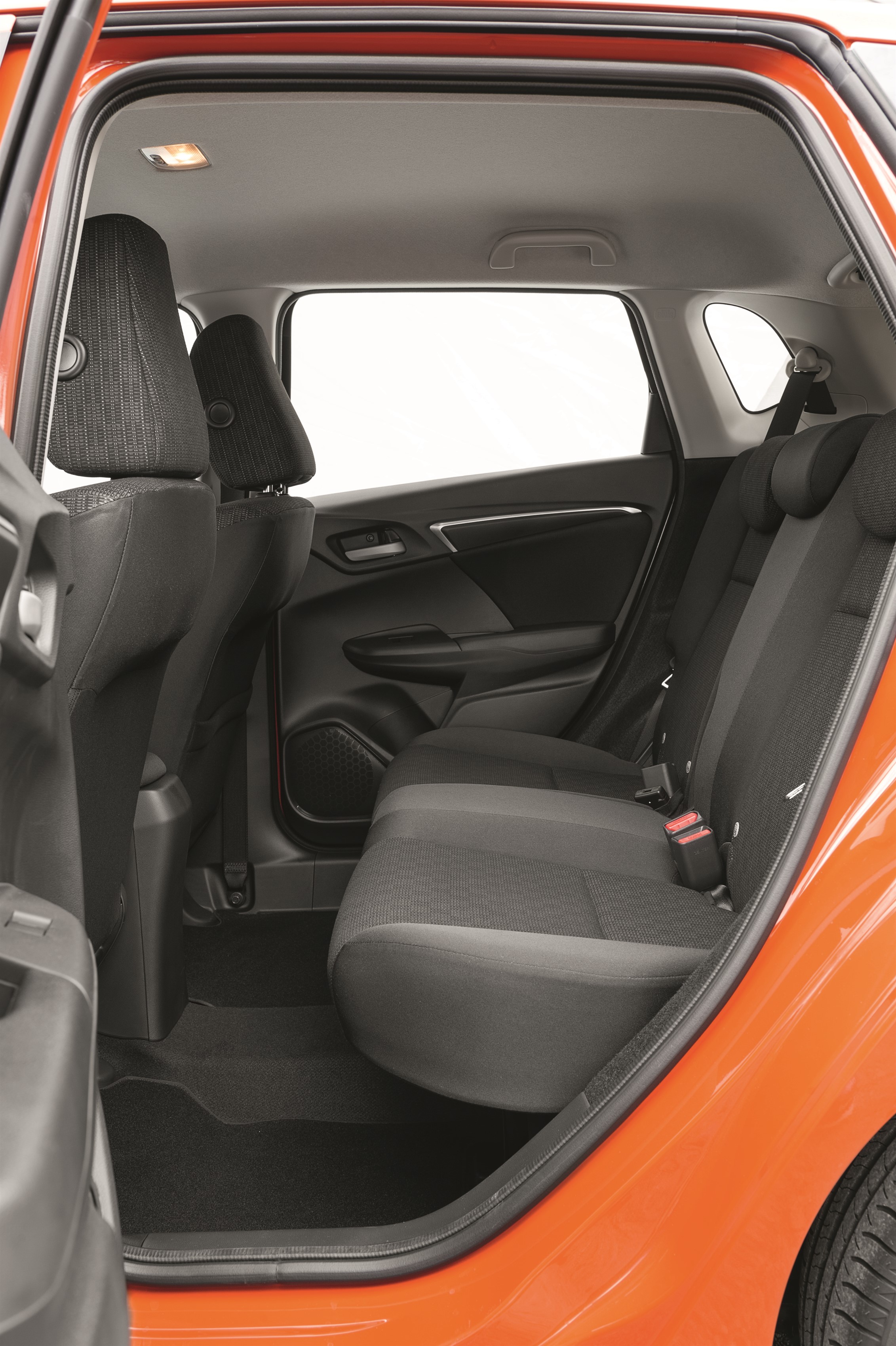
With a new platform increasing overall length by 95 mm, the latest Jazz is proportionally bigger on the inside than the previous generation model. Honda says specifications are 'generous across the range', with base-grade S models fitted as standard with features such as air conditioning, cruise control with speed limiter and dusk sensing auto lights. Every grade comes with Honda's City-Brake Active to help avoid low-speed accidents.

The Jazz will be available with a new 1.3 litre i-VTEC petrol engine, from Honda's Earth Dreams Technology series, delivering 102 PS at 6,000 rpm. Honda says the power unit delivers the 'sprightly driving performance' of the previous Jazz's 1.4 litre engine, together with fuel economy equivalent to its 1.2 litre.

Combined with either a six-speed manual gearbox or a newly developed CVT, emissions are as low as 106 g/km of CO2. The CVT's driveability is given a more natural 'multi-gear' feel through the use of new control software which simulates seven speeds and provides optimised gear change mapping.

The mid-grade SE model, priced from £14,595, gets front and rear parking sensors, electrically adjustable and heated door mirrors and 15" alloy wheels. Honda's Driver Assistance Safety Pack is also included, giving owners the extra reassurance of five advanced active safety aids.

Those opting for the top-grade EX model (from £15,715) gain smart entry and start, automatic climate control and six-speaker audio upgrade. Styling is enhanced with 16-inch alloy wheels and front fog lamps.

Customers opting for the SE or EX models will also benefit from the Honda Connect in-car infotainment system as standard. This Android-based system features an app-based 'pinch, swipe and tap' interface accessed on a seven-inch touchscreen in the centre of the dash.

Honda Connect comes with pre-installed apps, with others available for download from the Honda App Centre. These give 'rapid' access to internet-based services such as web browsing, real-time traffic information, news and weather, social media, and internet music stations.

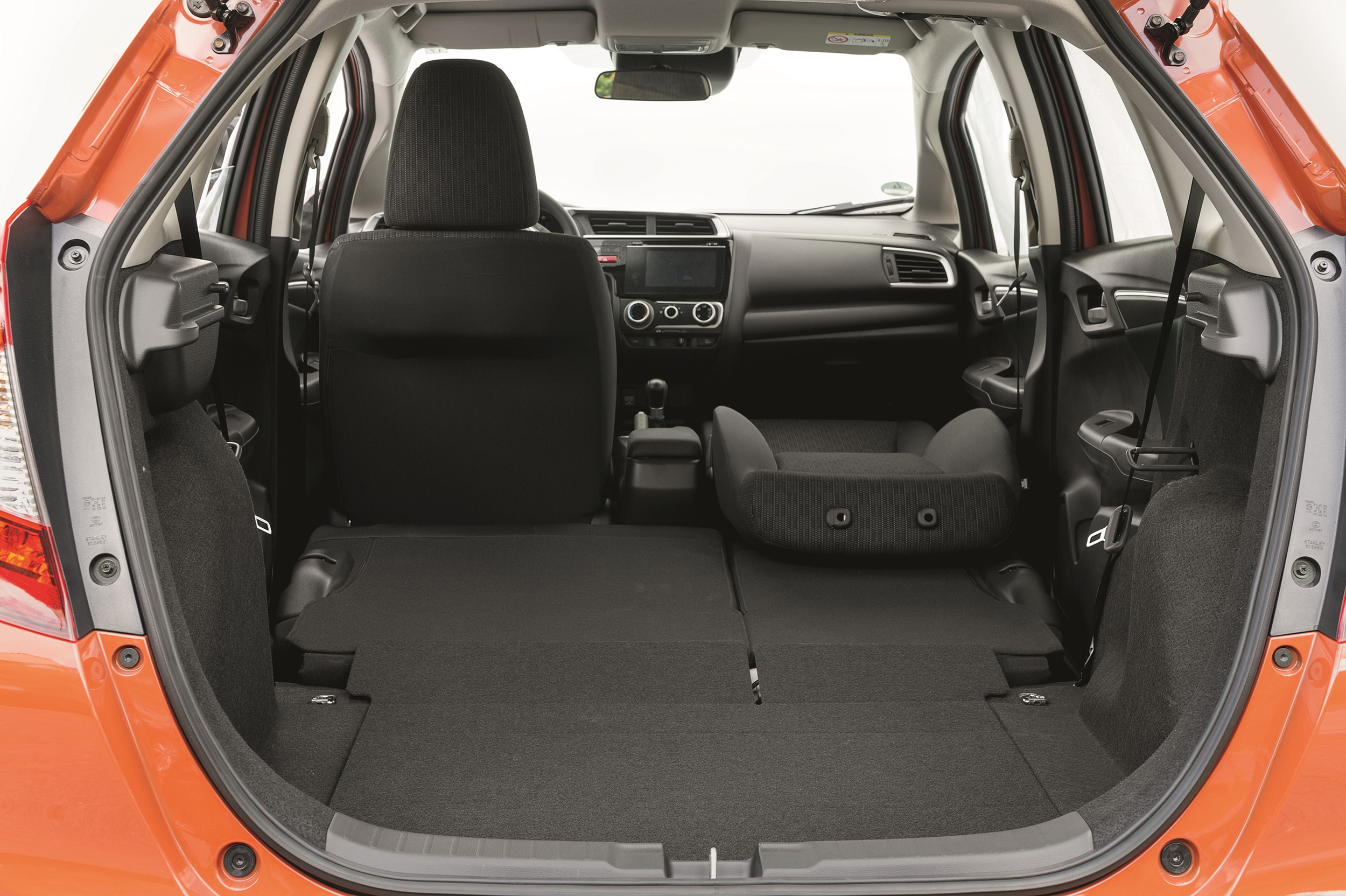
Boot space comes in at 354 litres with the rear seats up and 897 litres with the rear seats down thanks to Honda's Magic Seat system, which allows for numerous cargo configurations.

Leon Brannan, Head of Cars at Honda UK, commented: "The all-new Jazz signals the fourth of five new and refreshed models for Honda in Europe in 2015, an exciting year in which we're boldly re-energising the brand. The Jazz is a world car that has now sold over 5 million units since it was introduced in 2001. The greatest strength of Jazz is its broad appeal to different customer segments, and we're confident this latest generation will only broaden that appeal."

The all-new Honda Jazz will go on sale in the UK in September with on-the-road prices starting at £13,495 for the S manual to £16,815 for the EX with CVT.
News

Vauxhall Art Car Boot Fair heads to Margate

Vauxhall's Art Car Boot Fair is taking up residence at Margate's Turner Contemporary this August bank holiday for the first time.

Lured by the sea, the light, the eccentric and the eclectic, the Boot Fair will be in Margate for one day only, Sunday 30th August. Former home to renowned artists Tracey Emin and JMW Turner, Margate is both quintessential English seaside and vibrant town with a thriving arts and cultural scene with Turner Contemporary at its centre.

As such, Vauxhall says it's 'the perfect location' for this exuberant art event where famous artists make special works just for the day and turn up in person to do business with the public directly. With a line-up including Tracey Emin, Gavin Turk, Rachel Howard, Vic Reeves and Sir Peter Blake, all the highlights from the flagship London event, and welcoming a new array of artists and performers handpicked from the fresh scene of local talent, the event will be an un-missable day out for art lovers, day trippers and bank holiday-makers alike.

Not only will there be Art bargains, original works and special editions by leading artists, a host of classic Vauxhall motors will also be present. Vauxhall Motors will be dusting off its heritage collection and will be bringing along the PA Velox, Viva HA, Royale, Firenza and Ventora for artists to use for their pitches the event. 

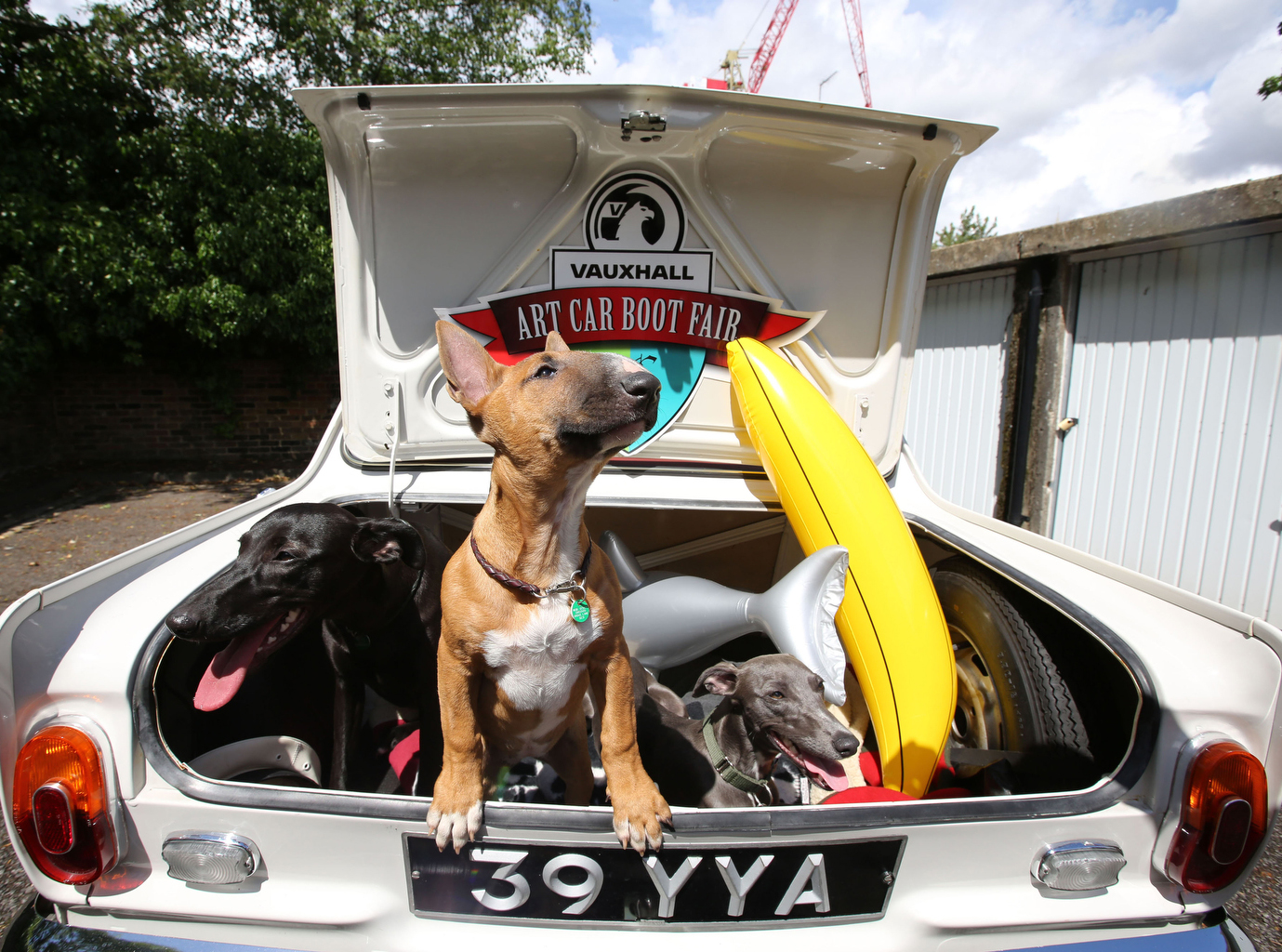
Visitors are encouraged to bring their well behaved dogs on leads to take part in the dog show and the Dog in a Viva Boot Shoot. Events include; free custom screen-printing at The Copy Shop and a Vanera Camera Obscura - with a whole ex-NATO camper van turned into a pin-hole camera, taking portraits on giant pieces of photographic paper.

The Vauxhall Art Car Boot Fair will be taking place on Sunday 30th August at Margate Turner Contemporary's car park (CT9 1HG) between 12 - 4pm. Entry is £3.

Vintage Car, News

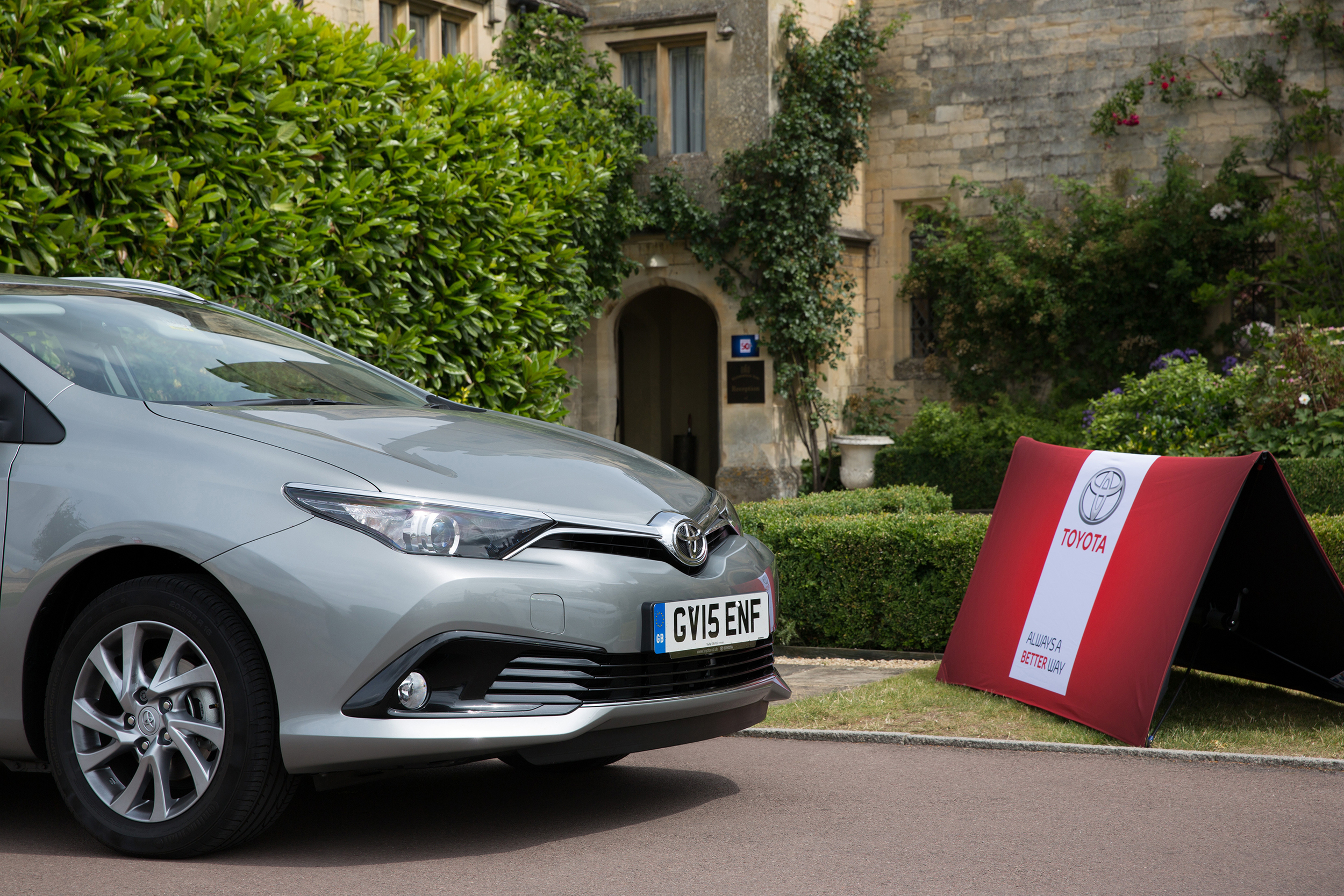
Toyota celebrates 50 years in the UK

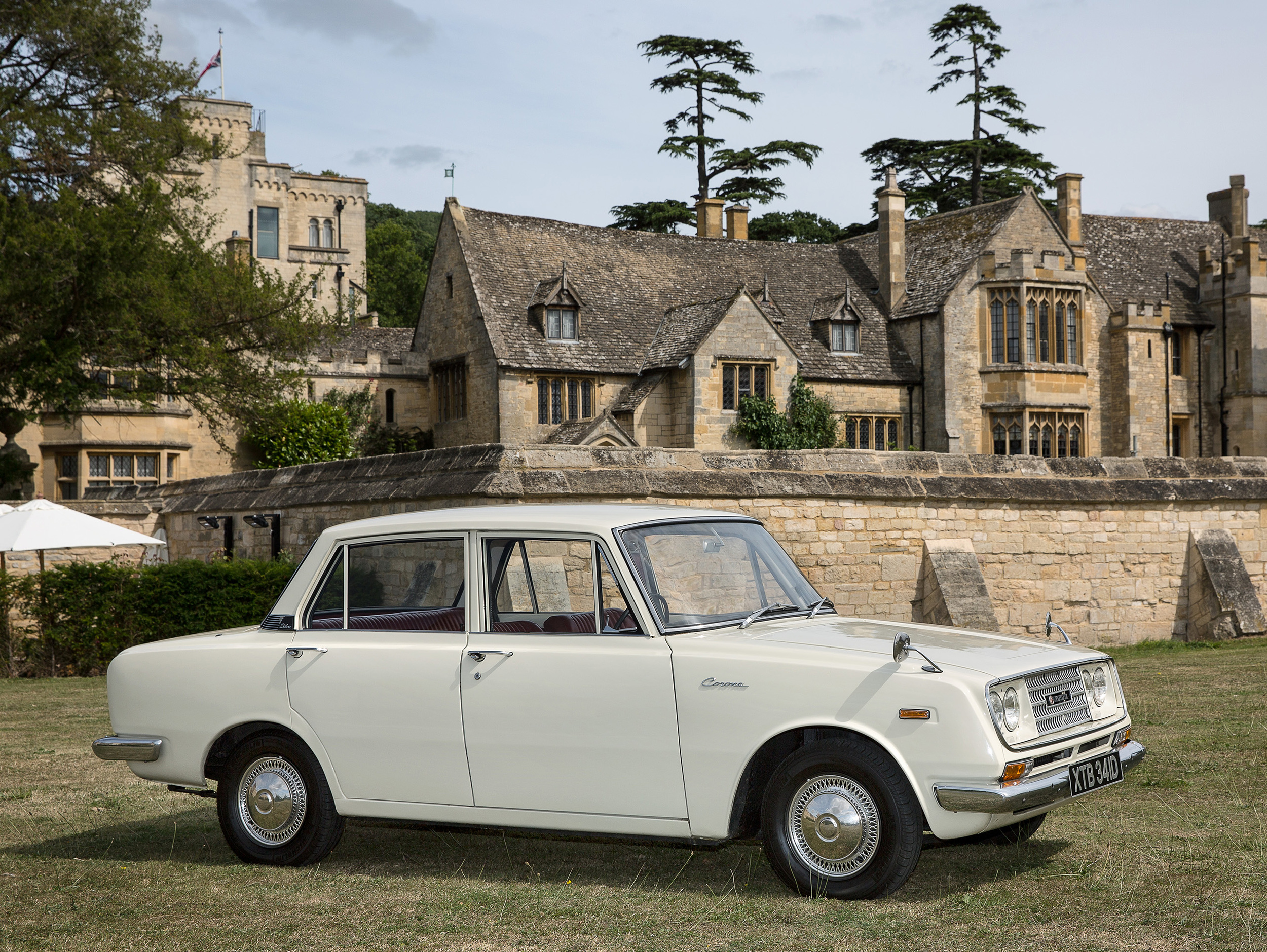
In 1965 Toyota made a modest entry into the UK car market with the Corona.

Fifty years later Toyota has sold almost three million vehicles in Britain, it also builds them here too. That first Corona wasn't big, it wasn't flashy and its arrival was marked by a small four-car stand at that year's motor show. Clocking up 50 years makes Toyota the Japanese car maker with the longest unbroken history in the UK.

Pride and Clark was the original UK importer and distributor, a South London family firm that launched its enterprise after John Pride travelled to the Far East to see the developing Japanese car industry for himself. His faith in Toyota was shared by a handful of car retailers who set up the first Toyota showrooms, at first with just a single model line - Corona - to offer their customers.

Business prospered as the range of vehicles grew, not least with introduction of the first Corolla in 1966. The name Toyota (GB) Ltd was adopted in 1967 and by 1980 200,000 cars had been sold, securing its position as a leading player in Britain's car market. Nine years later Toyota announced the UK as the location for a European manufacturing centre. Toyota Manufacturing UK's Burnaston car plant in Derbyshire and Deeside engine factory in North Wales came on stream in 1992 and have benefited from more than £2 billion investment in technology, skills and jobs.

Paul Van der Burgh, Toyota (GB) President and Managing Director, explained: "Toyota entered the UK market with the aim of providing better cars and better service, even if those weren't the words used back then. But ever since, Toyota has stood out for giving the customer something better - better equipment, better reliability and better service."

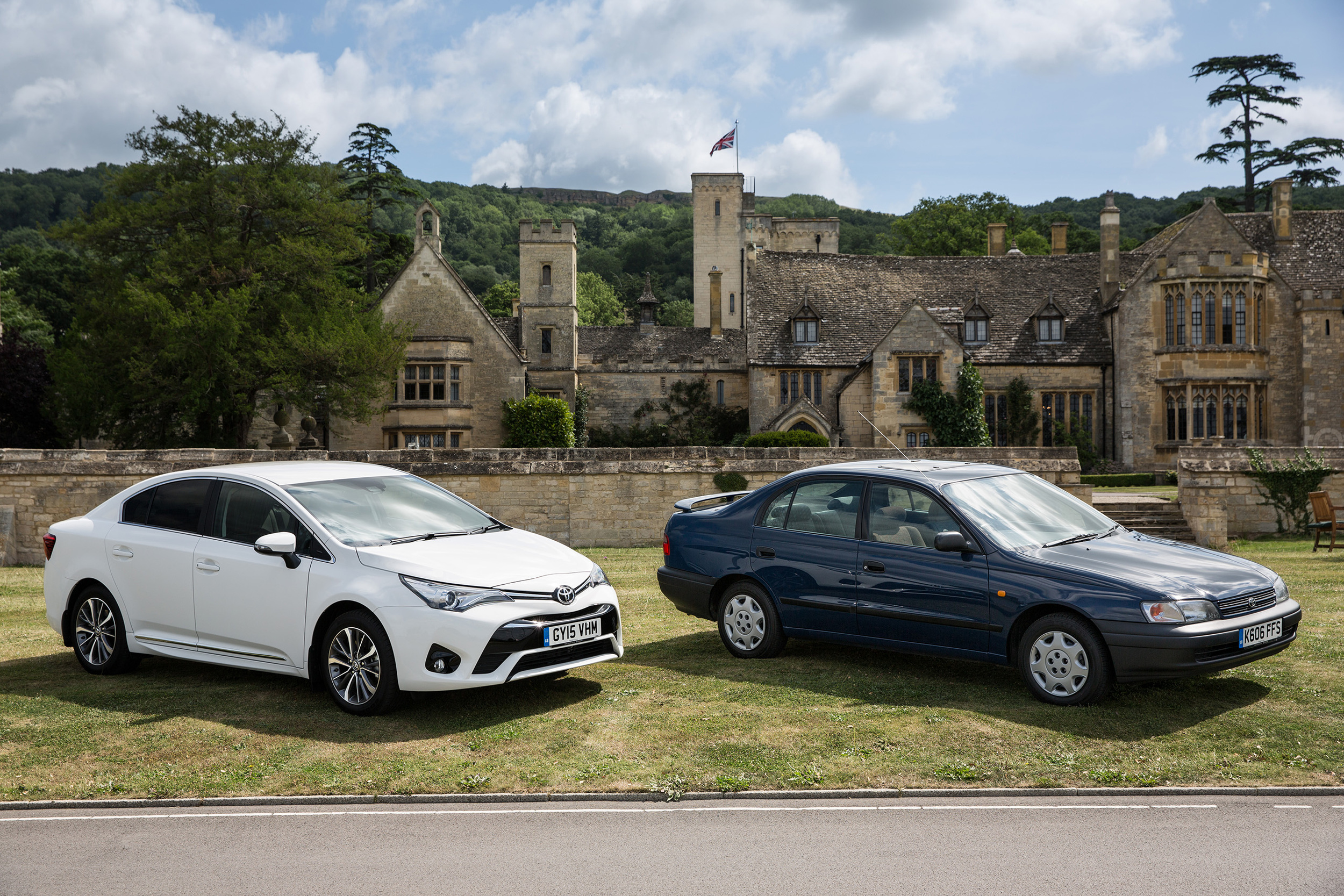
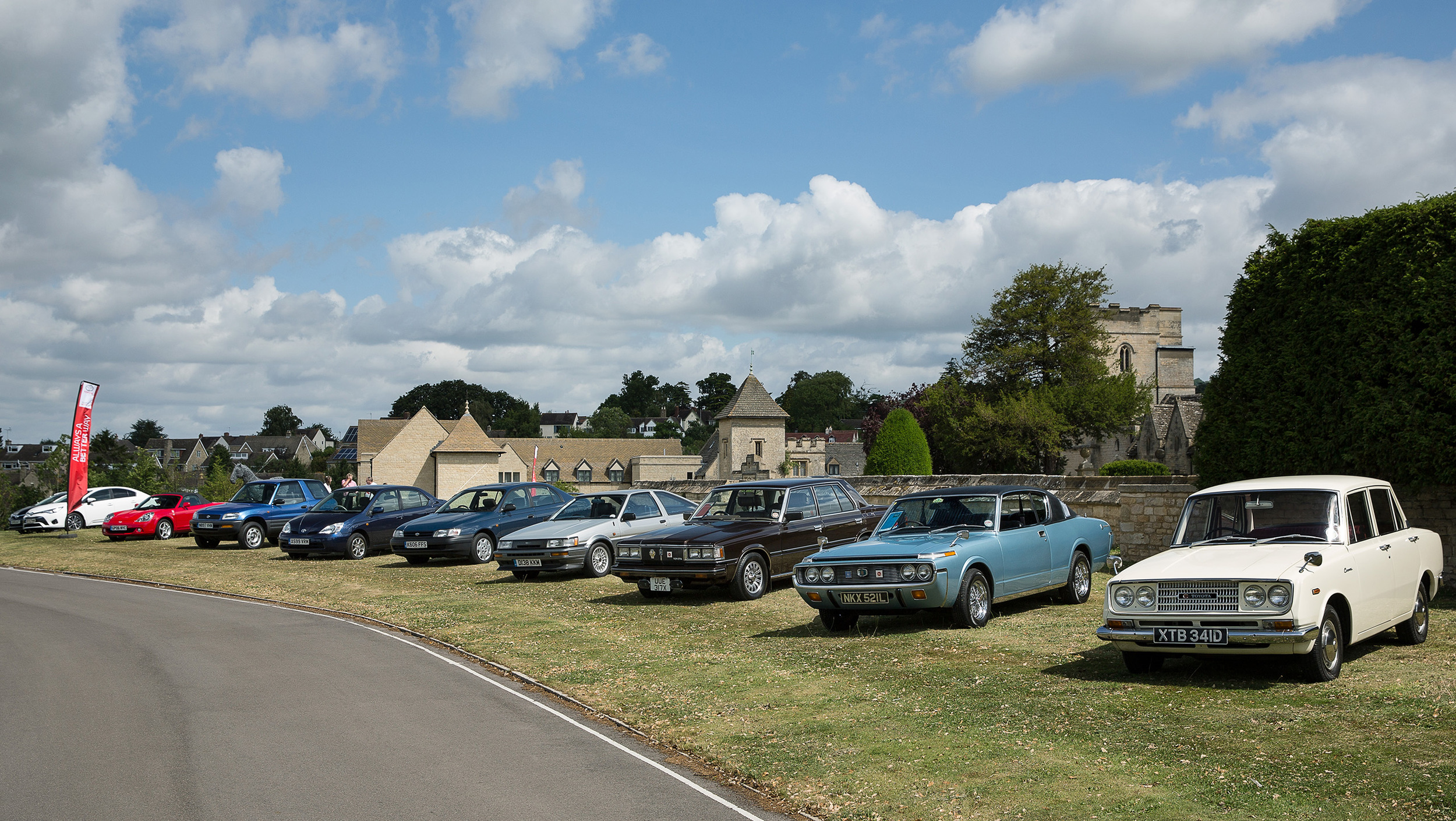
While Toyota says its focus is on the future and the development of 'ever-better cars', it honours the achievements of some its influential models of the past in a heritage fleet, maintained by Toyota (GB). The classic line-up includes an original Corona saloon, the famous Corolla AE86 that helped inspire today's GT86 coupe, a first-generation RAV4 and one of the earliest British-built models and a 1992-vintage Carina E.

In its 50th year in the UK, Toyota has already launched new Avensis and Auris models - built at Burnaston. Later this year it will also begin marketing the first of its Mirai hydrogen fuel cell vehicles here, opening a new chapter in zero emissions driving with technology the drivers of those first Corona saloons could never have imagined.

Coupe, News

Ford Apollo Edition Mustang up for auction

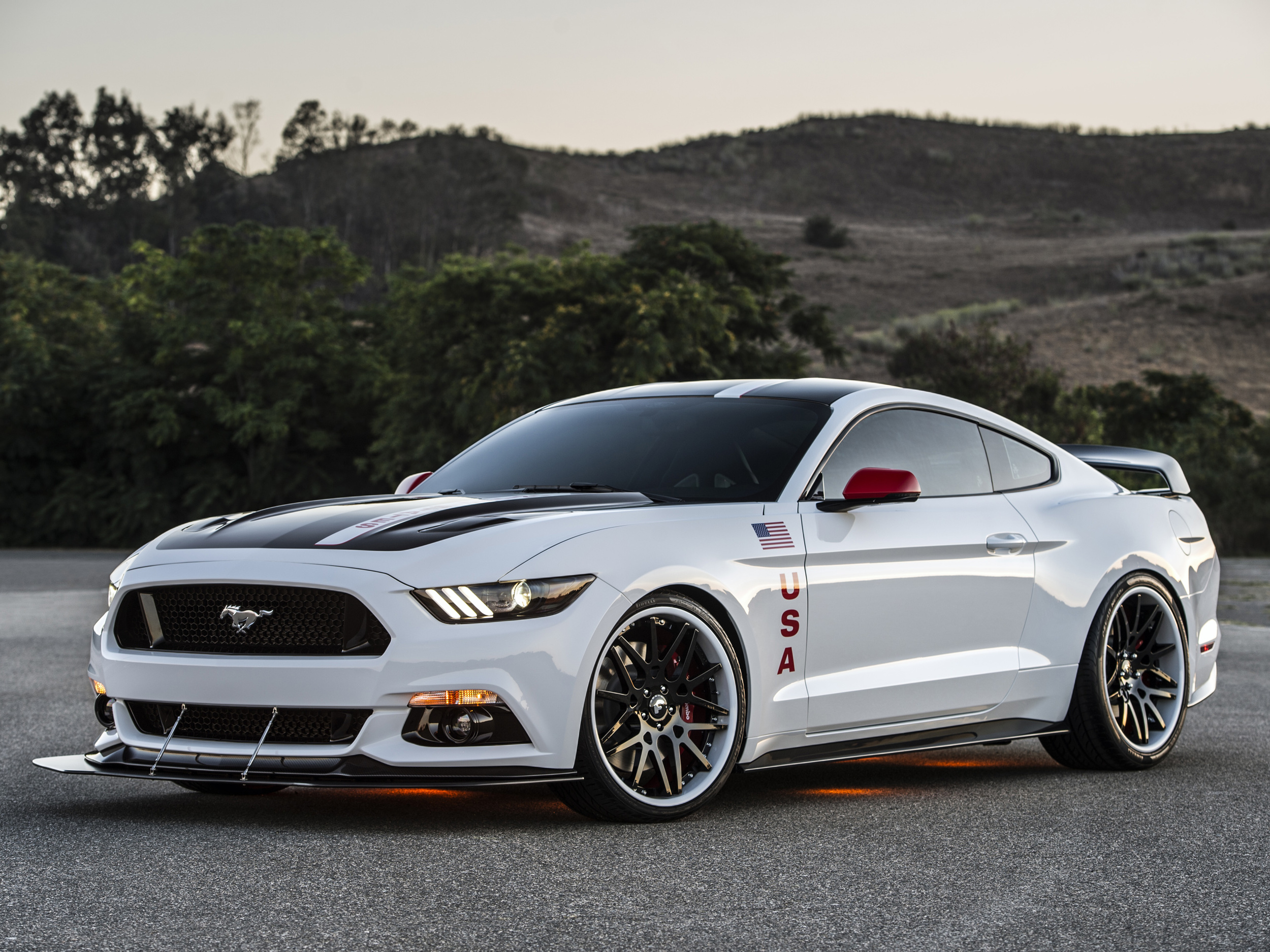
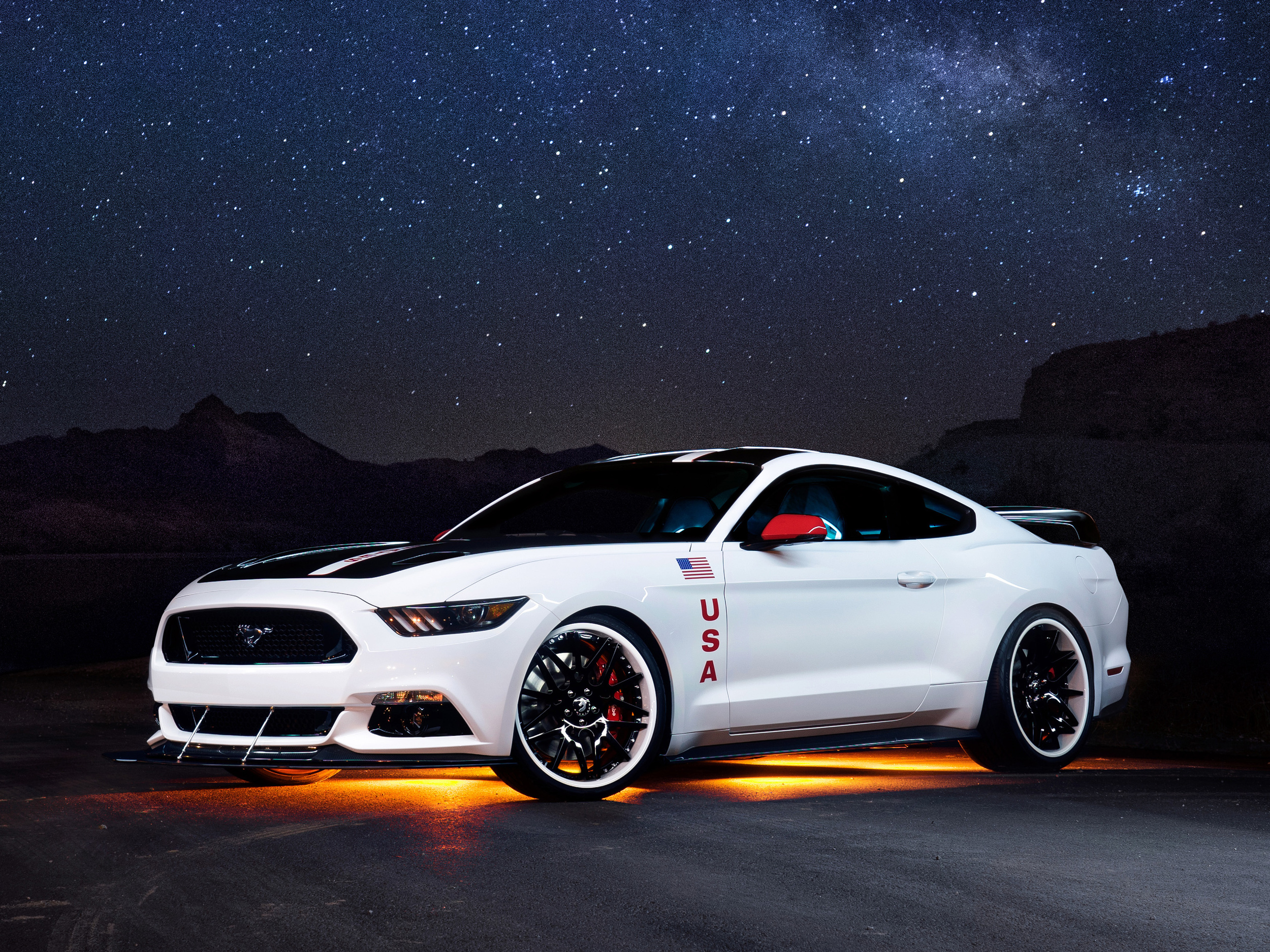
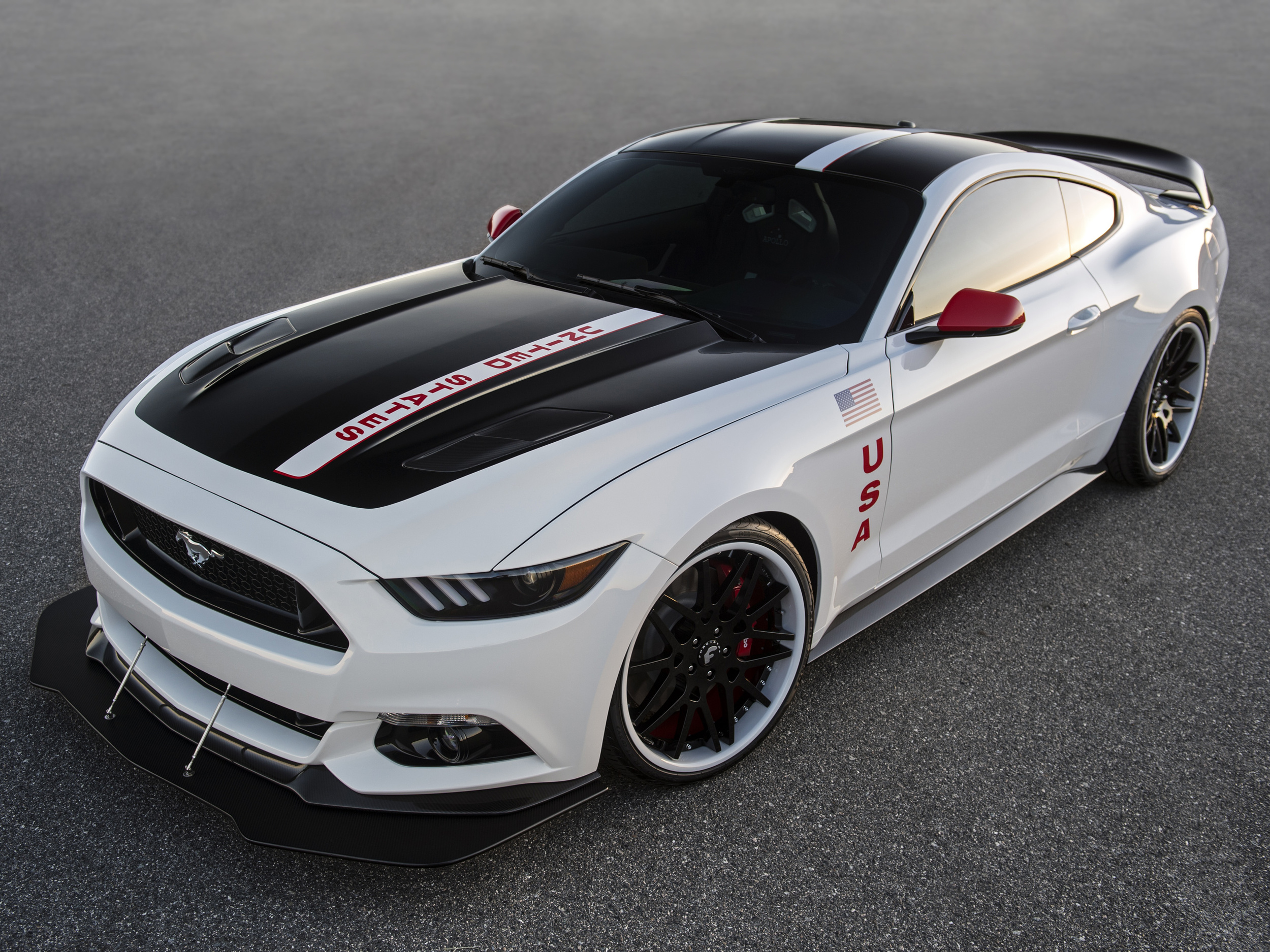
Ford has created a unique, Apollo Edition Mustang to Celebrate the innovation and inspiration of Apollo Missions.

The special Mustang is set to benefit Experimental Aircraft Association youth education programmes as it goes under the hammer at the Gathering of Eagles charity event, July 23, at EAA AirVenture Oshkosh 2015.

All proceeds from the sale of the car will benefit EAA youth education programmes, including the Young Eagles, which has provided free introductory flights to more than 1.9 million young people since 1992, helping grow the next generation of aviators.

"The Apollo programme delivered astonishing innovations in technology and achieved a national goal of landing the first human on the moon," said Edsel B. Ford II, a member of the Ford board of directors. "The entire programme was extraordinary - one of our nation's greatest technological achievements. With this year's stunning Apollo Edition Mustang, we salute that spirit of American ingenuity with the quintessential American automobile - Ford Mustang."

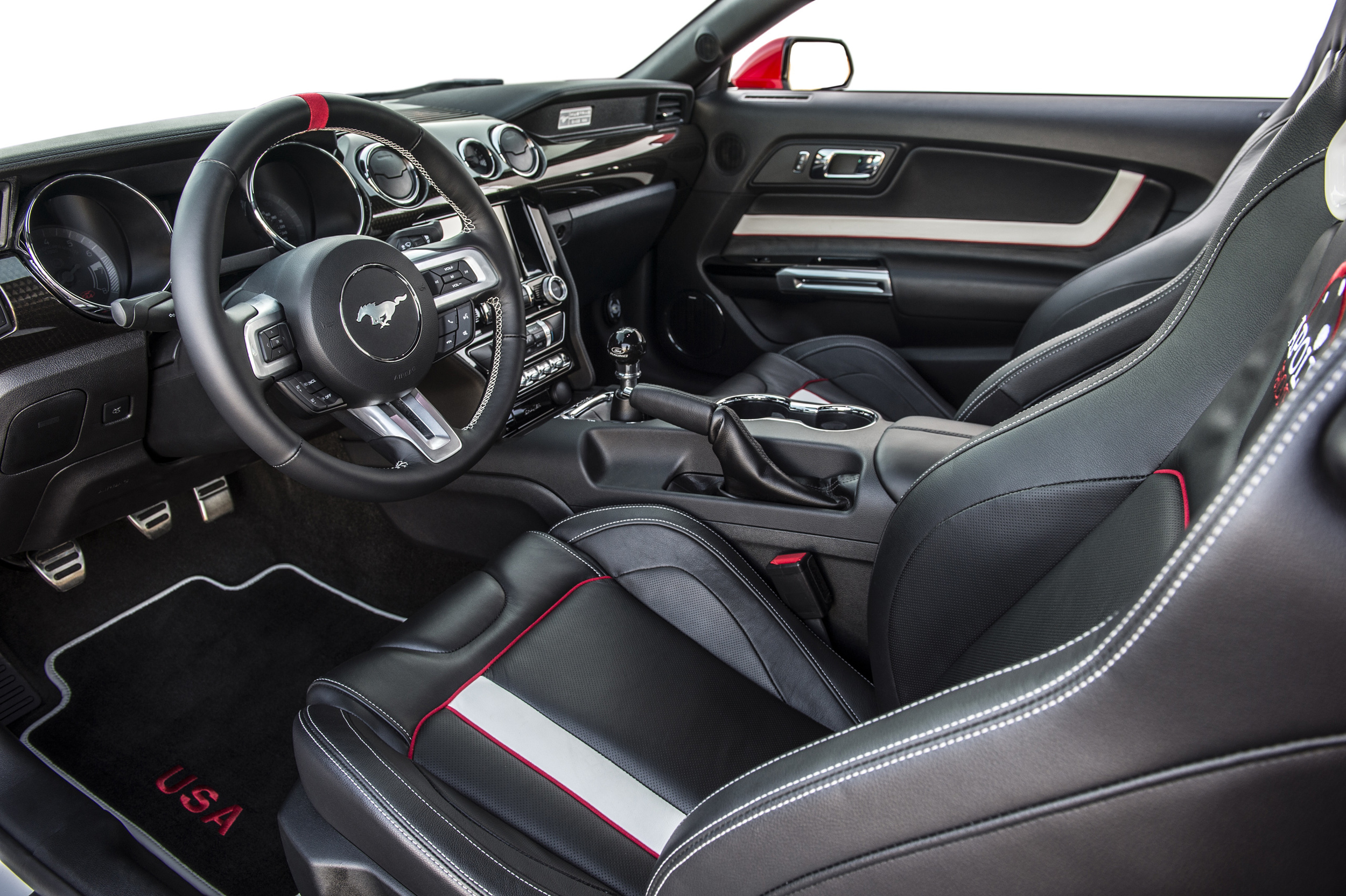
Design and engineering teams Led by Ford Design Manager Melvin Betancourt, transformed the 5.0-litre 'pony car' into the Apollo Edition Mustang - with 627 horsepower and 540 lb.ft of torque.

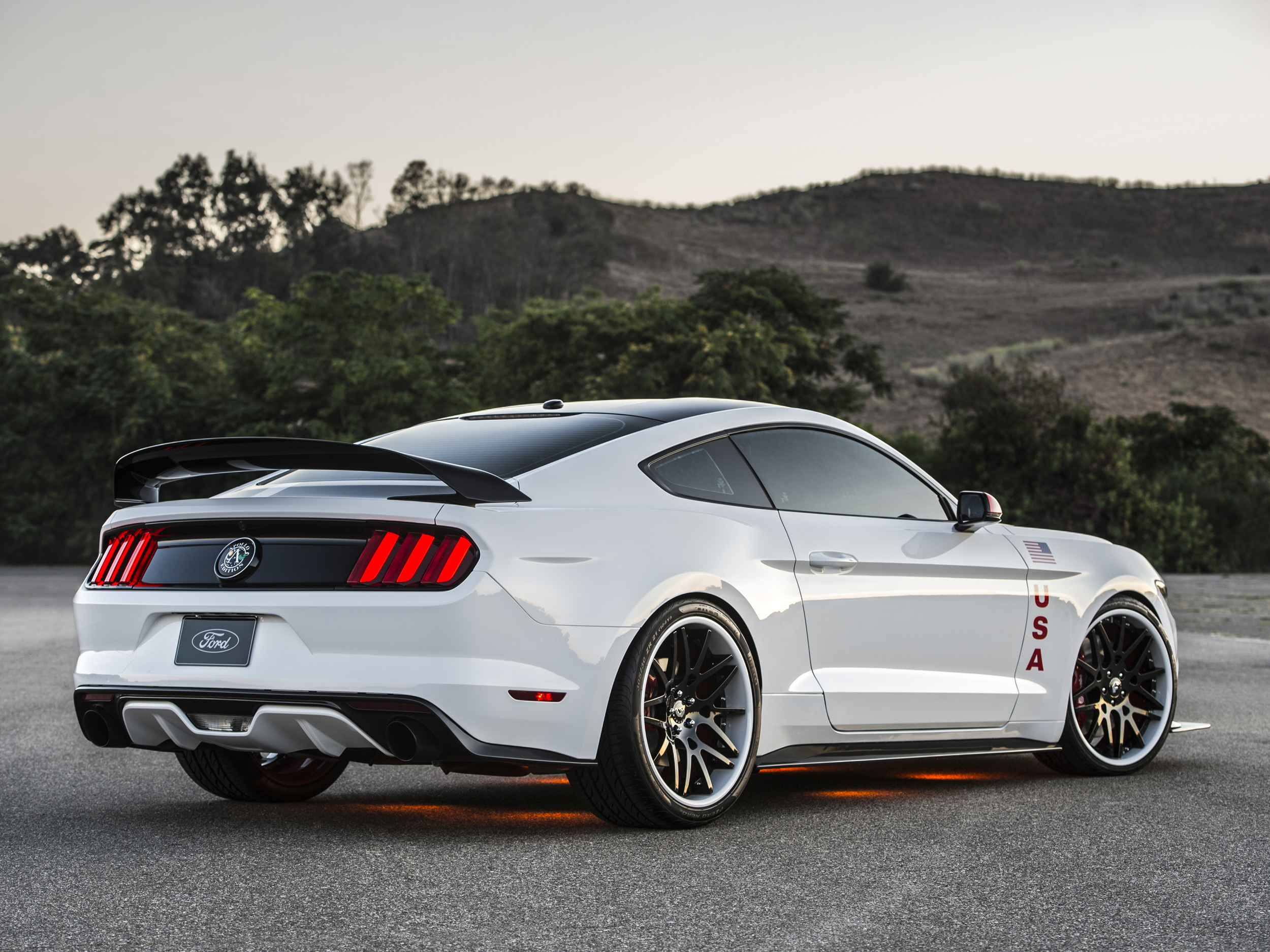
The exterior features a one-of-a-kind glossy pure white and pure black non-production paint scheme that delivers a creative connection with the NASA Apollo program. There's a carbon fibre front splitter, rear diffuser, rocker mouldings and accent treatments, along with unique LED underbody lighting to symbolise atmospheric re-entry.

Performance enhancements include a Ford Performance supercharger and shifter, X-pipe with side and rear exhaust, sport-tuned suspension, six-piston Brembo brakes and custom Forgiato 21-inch performance wheels. 

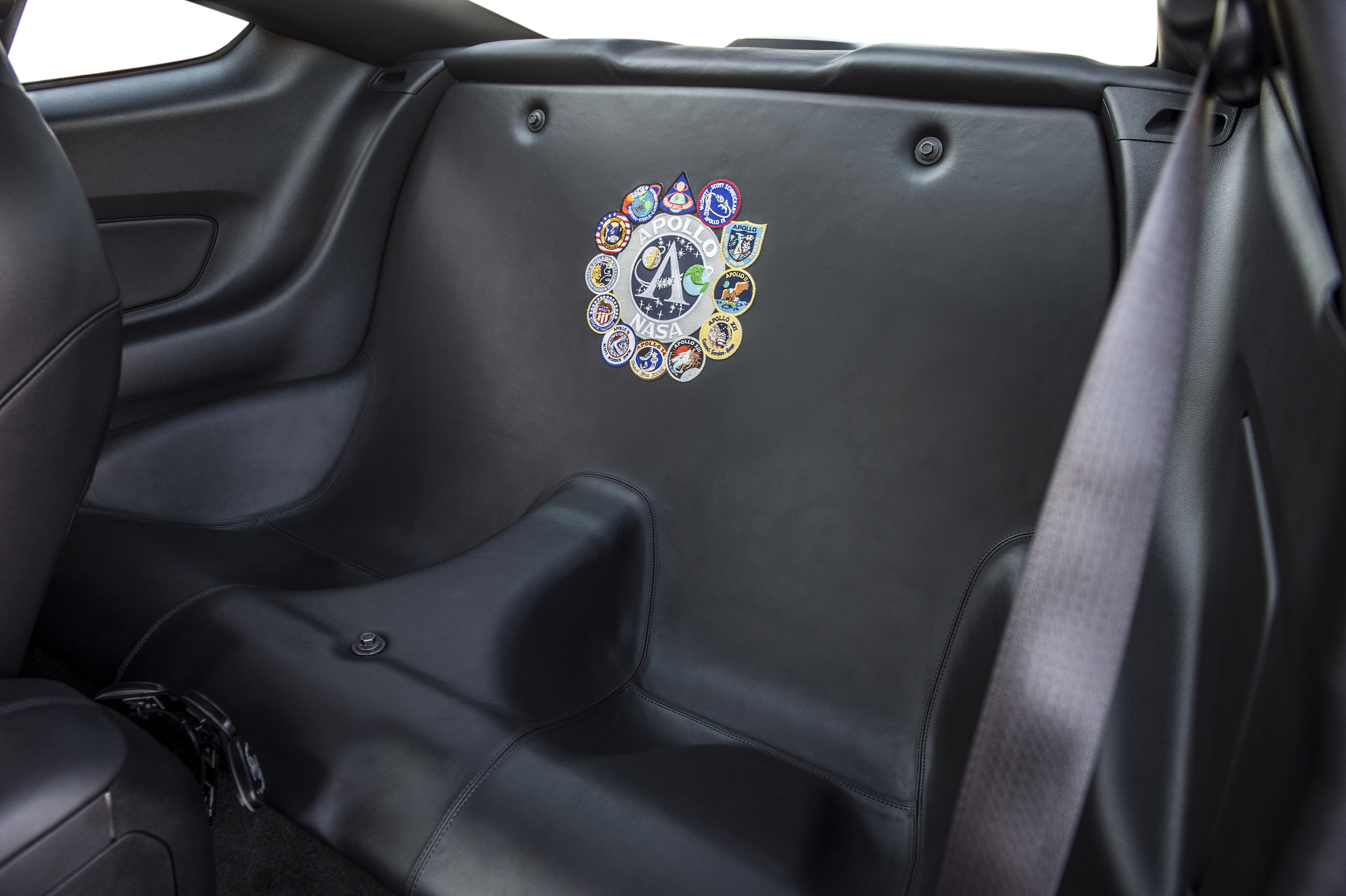
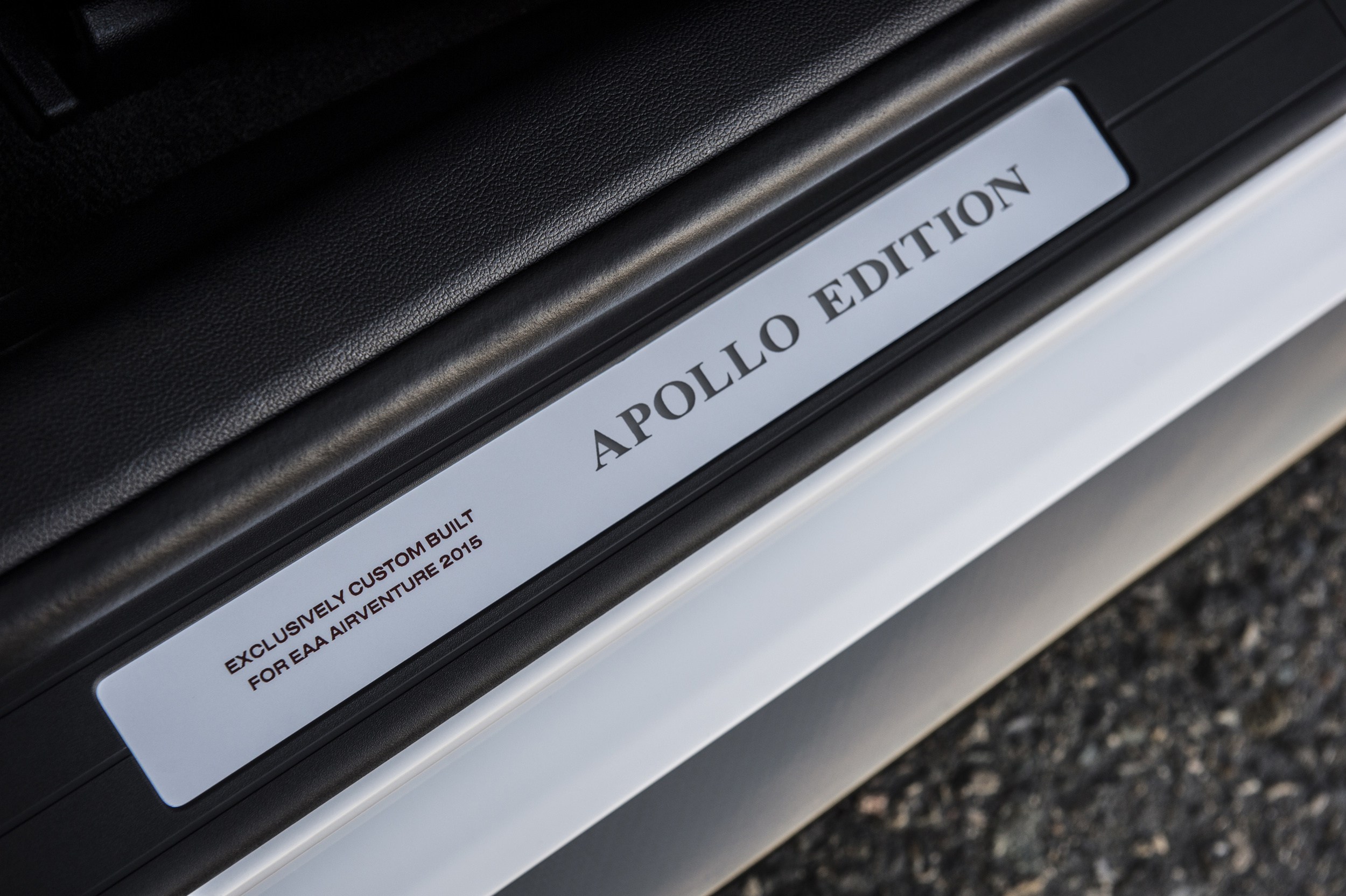
The theme carries into the cabin with exclusive interior details, including performance gauges, modified instrument cluster, unique sill plates and embroidered elements in seats, trim panels and floor mats.

The Apollo Edition Mustang was modified by MAD Industries, led by Chris Mangum. Interior enhancements were designed by Ford's Betancourt and Nicole Rush, and created in-house by Ford's design fabrication team. Additional contributors to the project include Ford Performance, Eibach Springs, Carbon 2 Carbon, BASF automotive refinish, Gibson performance exhaust, Pirelli tires, Forgiato wheels, Rigid Industries LED lighting, SourceSE by sPod, 3M window film, PIAA Corporation, Brembo, APR performance, FOCAL/The Source AV and Odyssey battery.

The Apollo Edition Mustang will be on display all week in the Ford hangar at EAA AirVenture Oshkosh 2015.

Hatchback, News

Production-ready Infiniti Q30 revealed

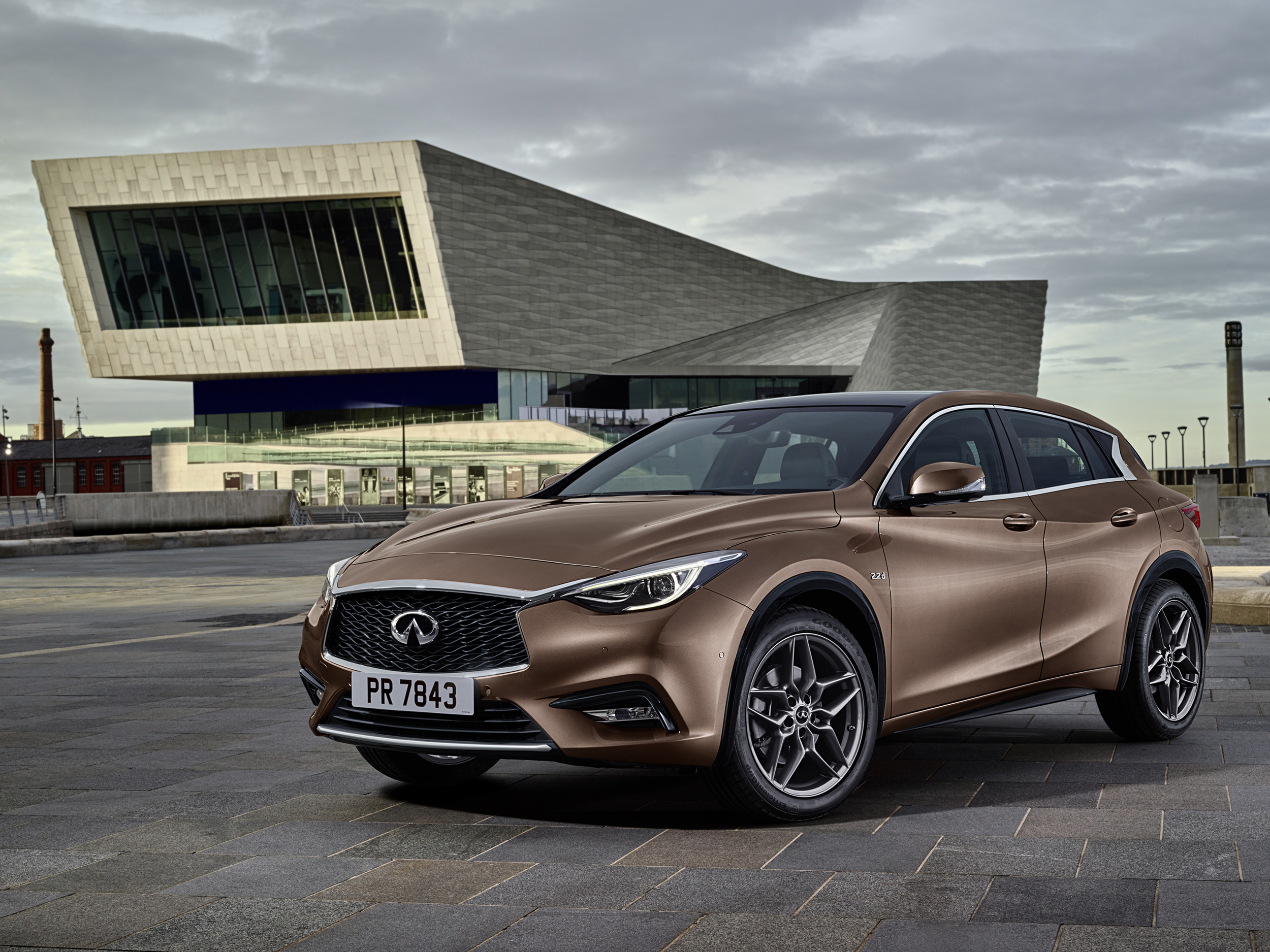
The Infiniti Q30 has been revealed in its final production form ahead of its world debut at the Frankfurt Motor Show in September.

The all-new Q30 is a compact 5-door hatchback developed, says Infiniti, for customers seeking urban individuality.

The public premiere of the car comes exactly two years after its precursor, the Q30 Concept, was introduced at the 2013 Frankfurt show and the distinctive design of that concept has been tweaked only slightly for production. 

"Design is a key pillar of the Infiniti brand - and the new Q30 Active Compact perfectly embodies this approach," said Infiniti President Roland Krueger. "The Q30 Active Compact delivers the distinctive design, the driving dynamics and the individuality that our customers expect of an Infiniti vehicle. With our first ever entry in the compact car segment, we continue the product offensive and provide additional options for our discerning customers."

The Q30 underwent final testing and development in Europe. It will be built in Sunderland in the UK which will then become the fourth country on three continents to build Infiniti vehicles.

Press days for the Frankfurt Motor Show are on September 15-16 and the doors open to the public from September 17-27.

News

James Cracknell heads up London Road Safety

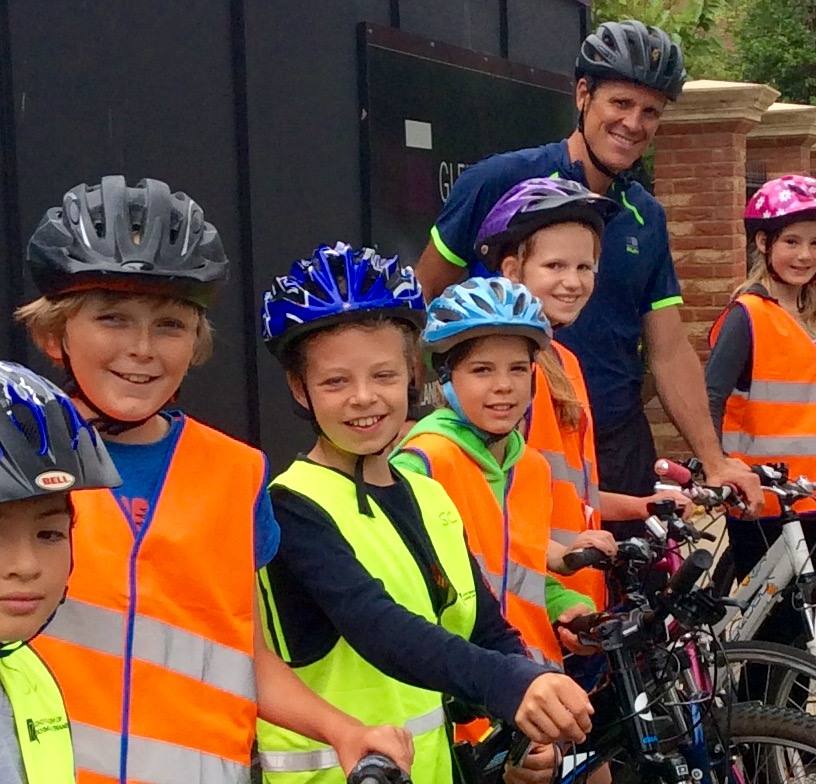
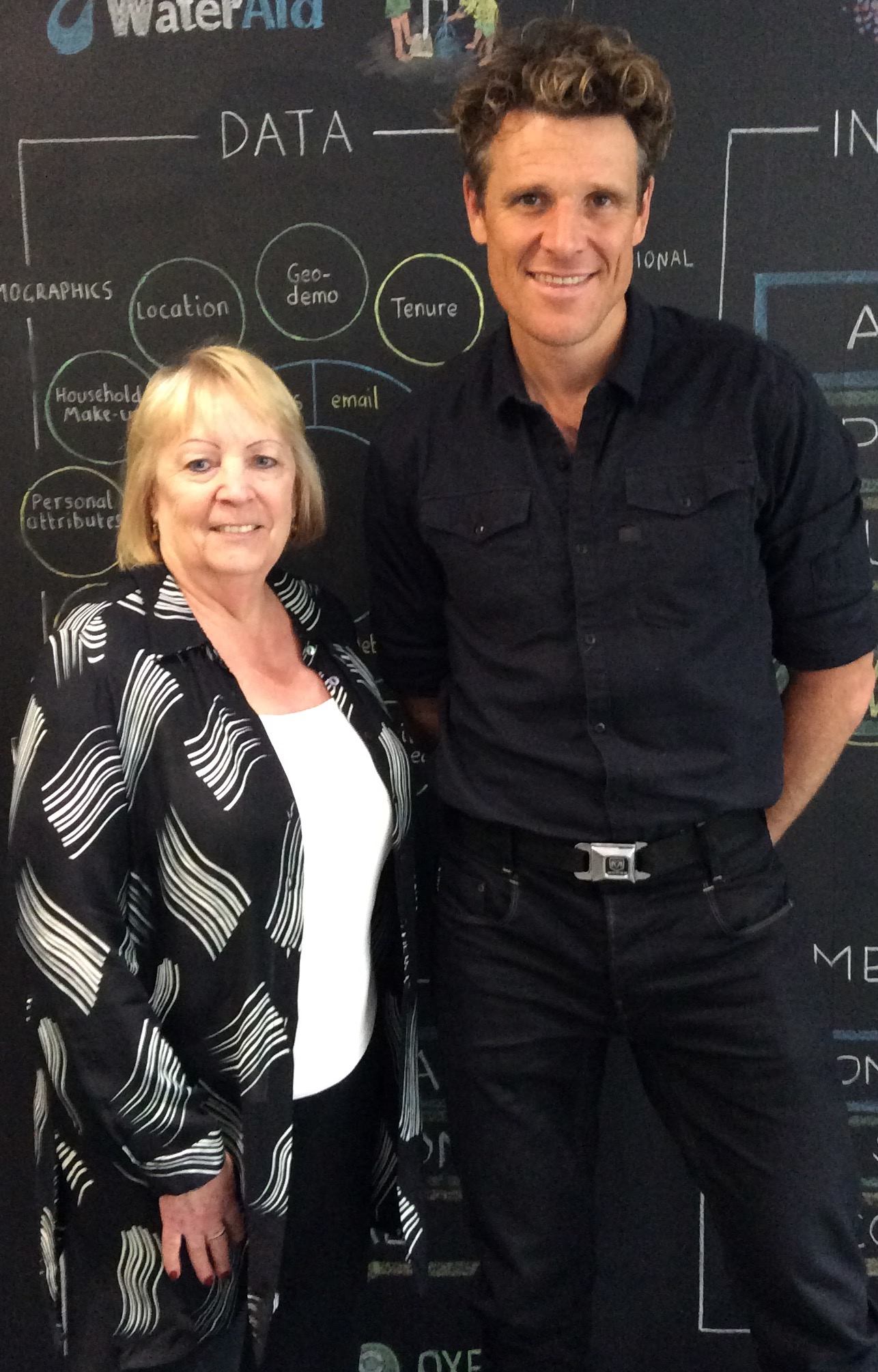
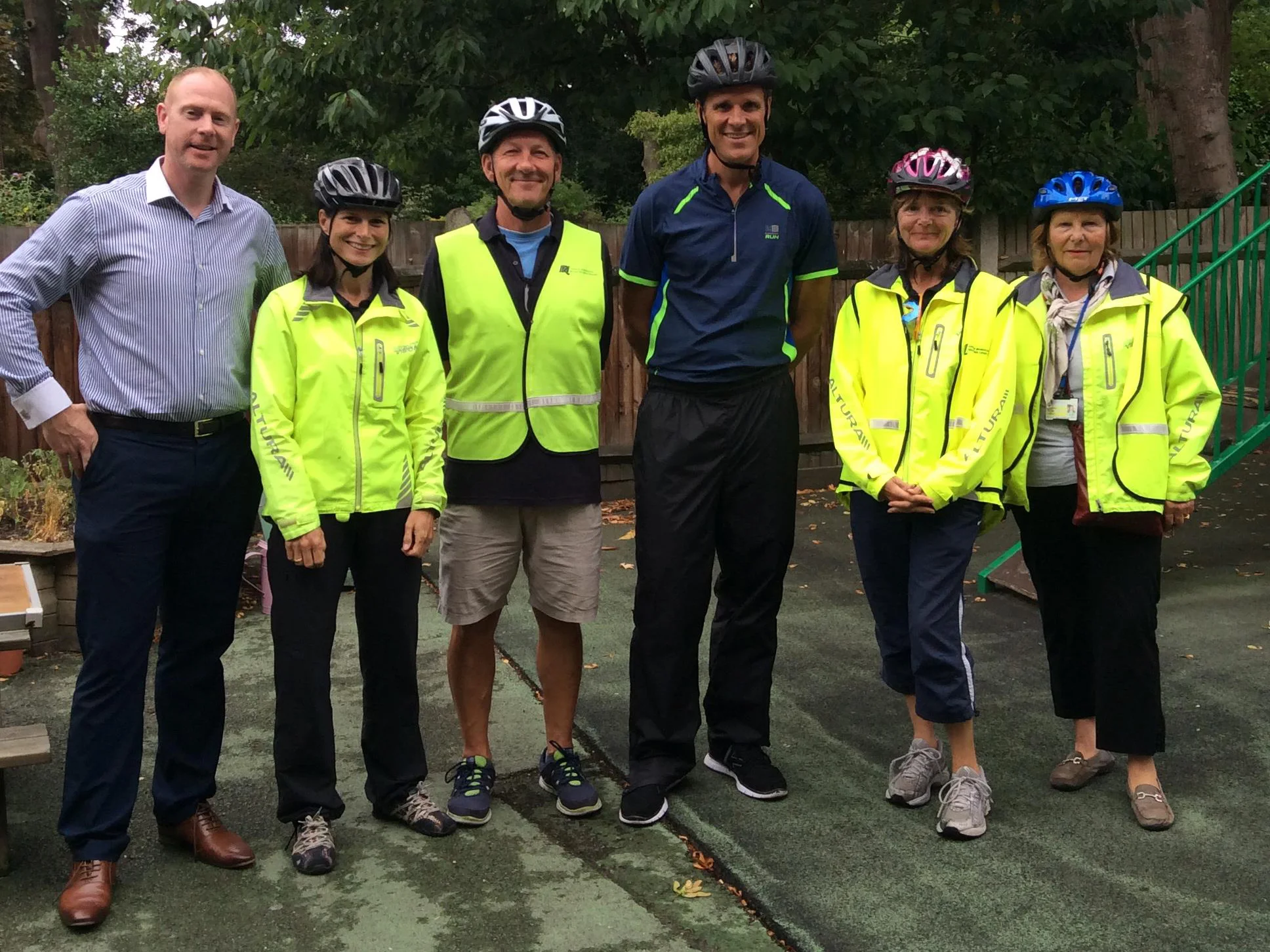
The London Road Safety Council has appointed James Cracknell OBE as President of the organisation.

Succeeding outgoing President Nick Ross, James is one of Britain's most successful ever athletes, with two Olympic Gold Medals and six World Championship titles. Since retiring from competitive rowing, James has distinguished himself as a sportsman, athlete, adventurer and broadcaster.

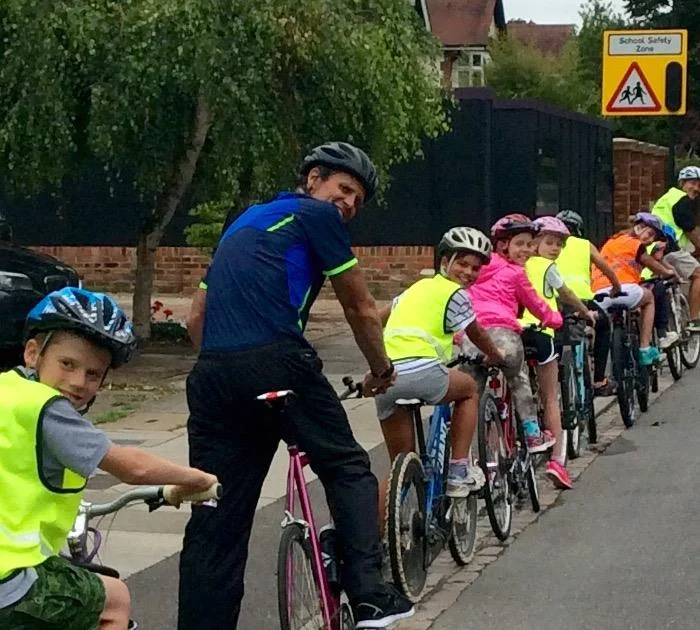
In 2010, during an attempt to cycle, run, row and swim from LA to New York in record time, James was struck by a truck while cycling through Arizona, suffering a Traumatic Brain Injury (TBI) and would have been killed if he wasn't wearing a cycle helmet. Now, five years later and having fought his way back through a long recovery and rehabilitation process, James takes on this new role leading London Road Safety Council into its centenary year (2017).

James Cracknell says: "London Road Safety Council connects the people working on road safety across London, enabling them to share practical ideas and work together to create a safer road system in London. I am proud to be the public face of the organisation and to lead its awareness campaigns across the city I was born in and where still live."

"Having been the victim of a road traffic accident, I know the devastating impact it can have, not only on the victim but on their family and friends. I cycle around London every day and am very aware of the need for all road users, however many wheels they have, to show empathy towards each other rather than antagonism. I plan to ensure this message is heard far and wide during my Presidency."

Councillor Val Clark, Chairman of London Road Safety Council commented: "James Cracknell is one of the most famous athletes in the UK and an inspiration to millions. James knows more than most the impact a serious road traffic incident can have. I cannot think of a better person to lead the organisation into its second century and be our primary brand ambassador."

News

Bosch and TomTom partner on maps for automated driving

TomTom and Bosch are to collaborate on the development of mapping technology for highly automated driving.

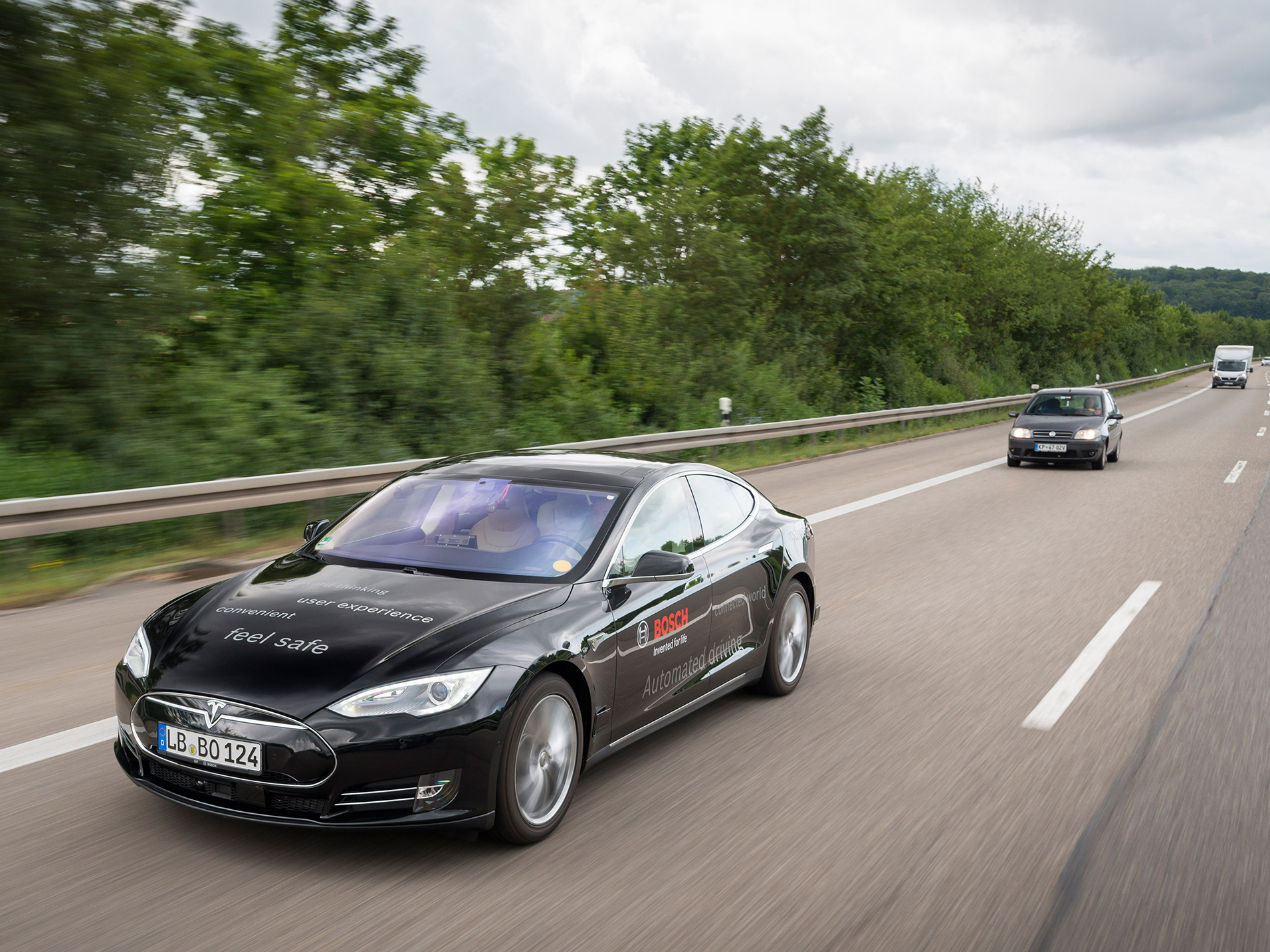
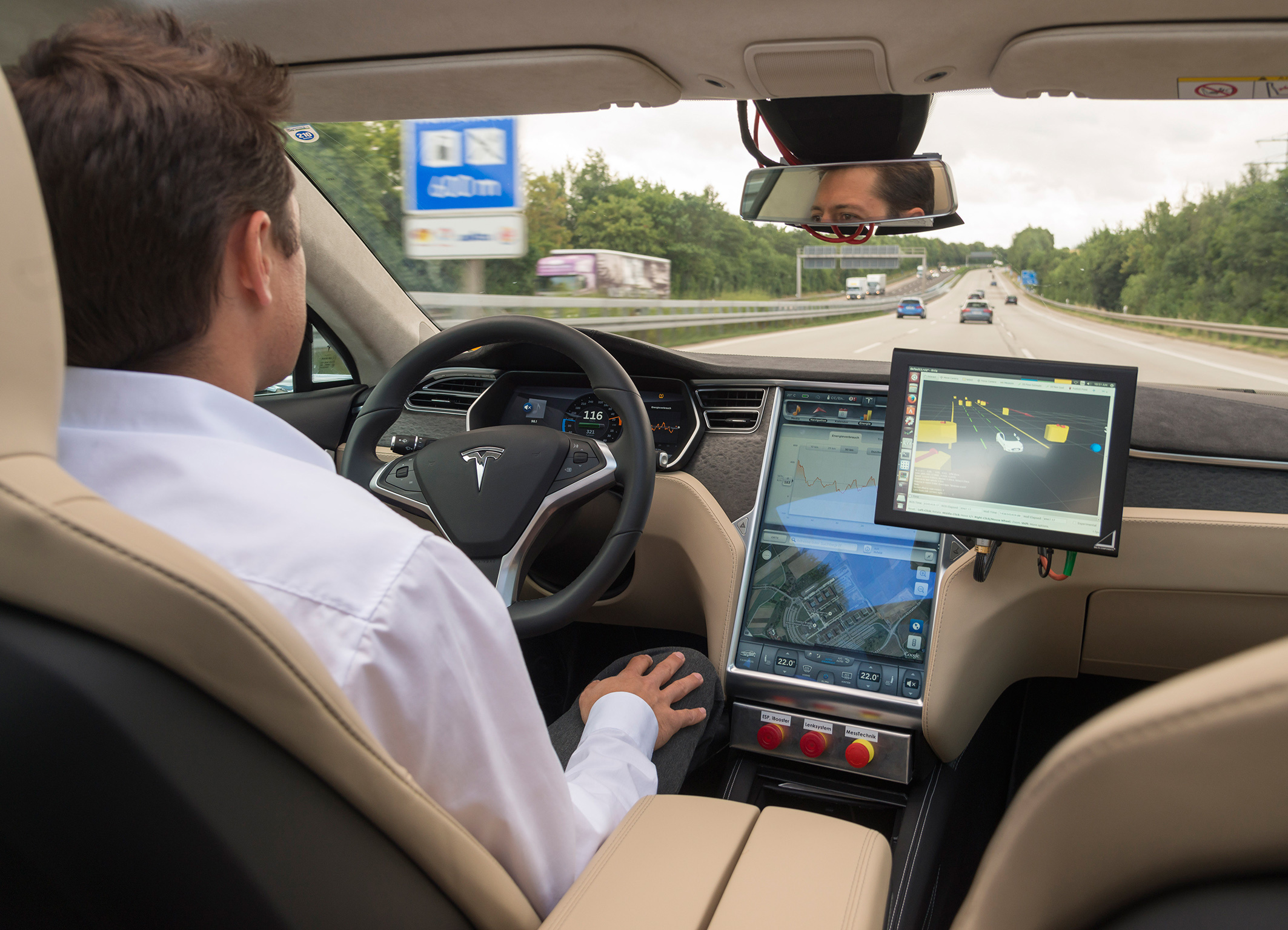
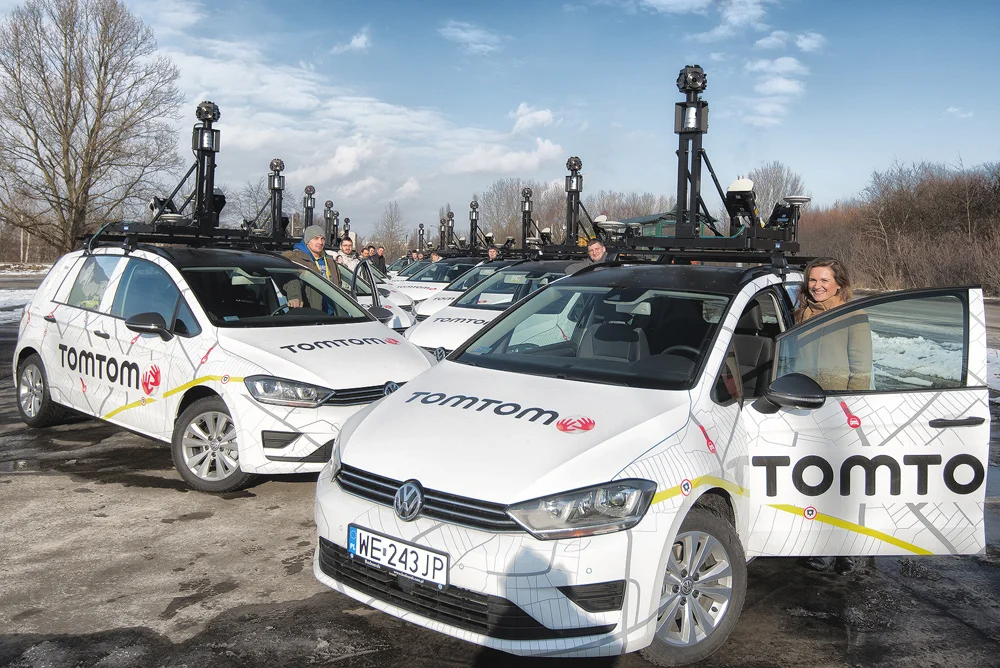
Under the agreement, TomTom is designing the maps, while Bosch is defining the specifications they have to meet. The maps are already being used in automated vehicles Bosch is testing on certain public roads in Germany (A81) and in the United States (I280). 

Maps for highly automated driving differ primarily from those used in current navigation systems in two respects. Firstly, accuracy is significantly higher - down to decimetre precision. Secondly, the map material required for highly automated driving consists of multiple layers. 

The traditional base navigation layer is used to calculate routes from A to B, including the sequence of roads to be driven. The localisation layer uses a novel positioning concept providing highly accurate map data, which the automated vehicle uses to accurately calculate its position within a lane. To do this, the vehicle compares its sensed environment with the corresponding information in the localisation layer. In this way, it can accurately define its position relative to the road and its surroundings. On top of the localisation layer, the planning layer contains not only attributes such as lane divider types, traffic signs, speed limits, etc., but also 3D information about road geometry, including curves and slopes. With the help of this very detailed lane information, the automated vehicle can decide things such as when and how to change lane.

In highly automated driving, safety and comfort depend crucially on map material that is up to date. For example, up-to-the-minute speed-limit information has to be available instantly. Only then can vehicles select the best proactive driving strategy. In this regard, Bosch and TomTom rely on several elements and services to keep the map data up to date: the TomTom mapping fleet will continue to be regularly on the road, accurately mapping new roads and routes. And to register recent changes on the roads, such as changed lane configurations or new traffic signs, TomTom and Bosch plan to use feedback from fleets of vehicles equipped with the necessary sensors. Information about changed road conditions captured this way will be transferred to a server, verified, and entered in the digital map database. The updated map will then be fed back to the highly automated driving vehicle, enabling it to see effectively beyond its sensors.

Commenting on the importance of the venture, Bosch board member Dr Dirk Hoheisel said: "Only with high precision maps will automated driving on freeways be possible from 2020." And Jan Maarten de Vries, Vice President Automotive at TomTom, added: "By the end of 2015, we want to have new high-precision maps for automated driving for all freeways and freeway-like roads in Germany." Road coverage will subsequently be extended to the rest of Europe and North America.

For Bosch and TomTom, this collaboration in the area of maps for highly automated driving is an extension of an already existing partnership on Bosch's connected horizon, for which TomTom also provides dynamic map information via their real-time service backend - albeit without any localisation layer.

Concept Car, News

BMW concept cars to break cover at Monterey

BMW is to unveil two all-new concept cars during Monterey Car Week.

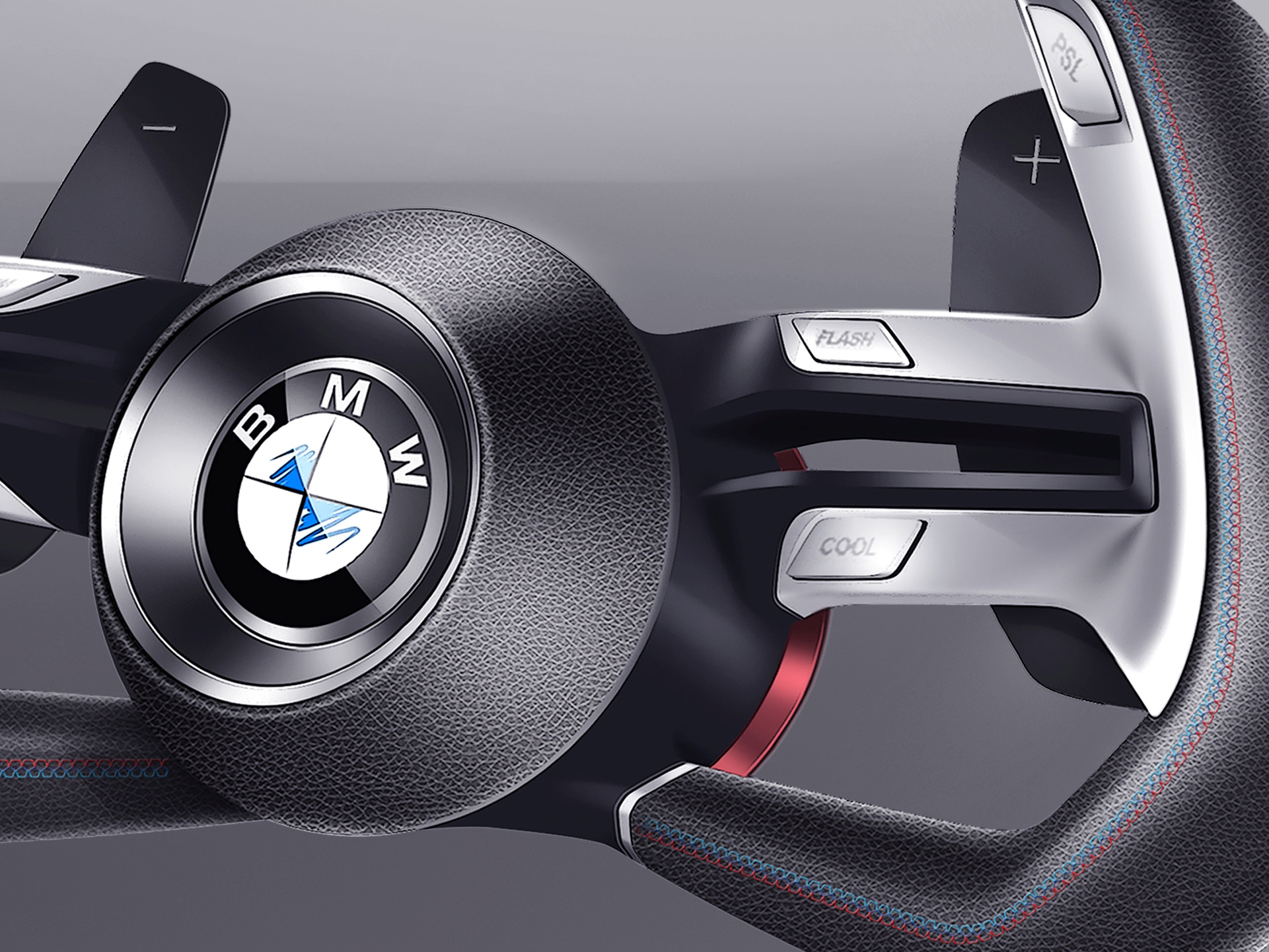
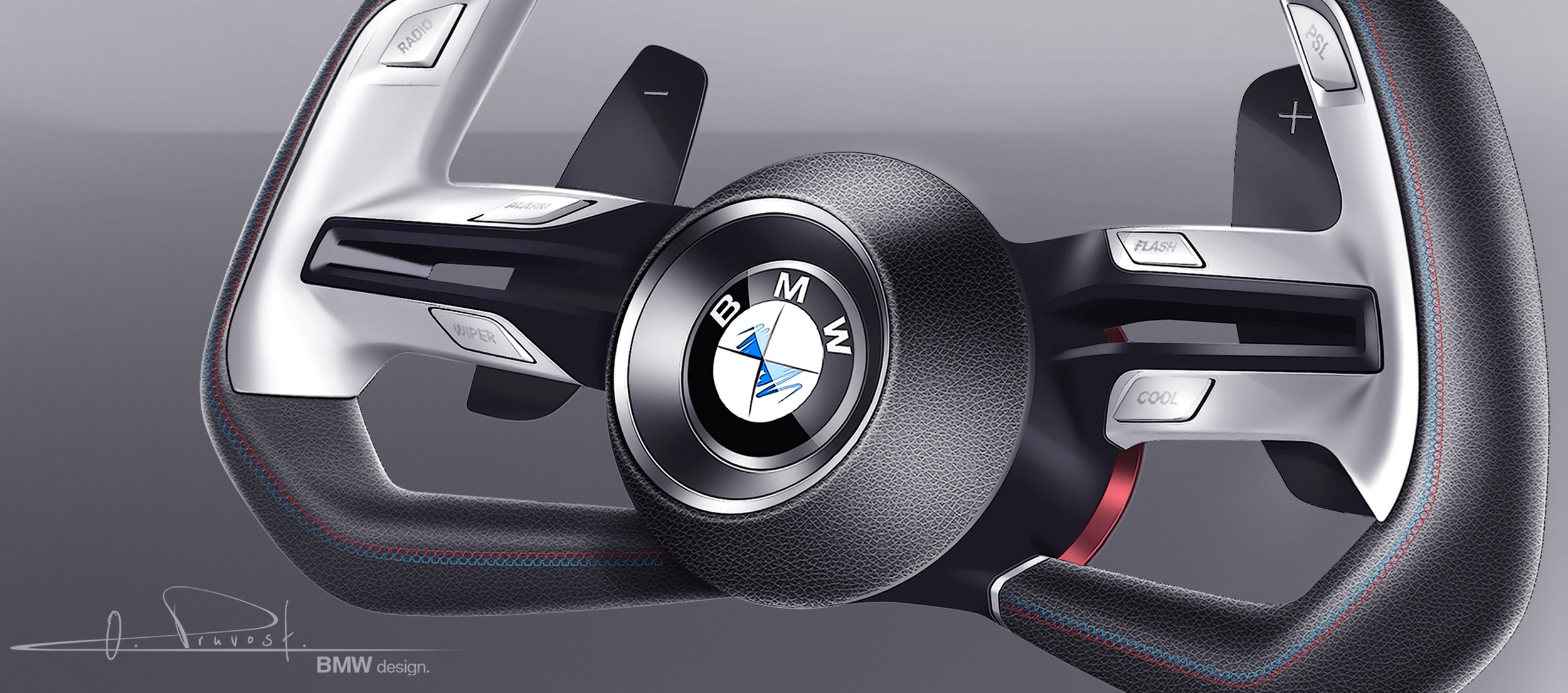
A teaser image gives little away as it shows a rendering of a minimalist steering controller. We’re not calling it a steering wheel as it appears to be more akin to aircraft controls.

Accredited media are being invited to the 'BMW at the 2015 Monterey Car Week' preview press conference on August 13 at the BMW Villa in Pebble Beach where, in celebration of its 40th anniversary, BMW of North America will unveil two world premier concept cars.

Public showings later that weekend are planned for The Quail, A Motorsport Gathering, Legends of the Autobahn Concours d'Elegance, Rolex Monterey Motorsport Reunion and Pebble Beach Concours d'Elegance.

Press Conference speakers will include Ludwig Willisch, President and CEO - BMW of North America LLC, Karim Habib, Director of BMW Design and Dirk Haecker, VP Research and Development - BMW M GmbH.

Family Car, News

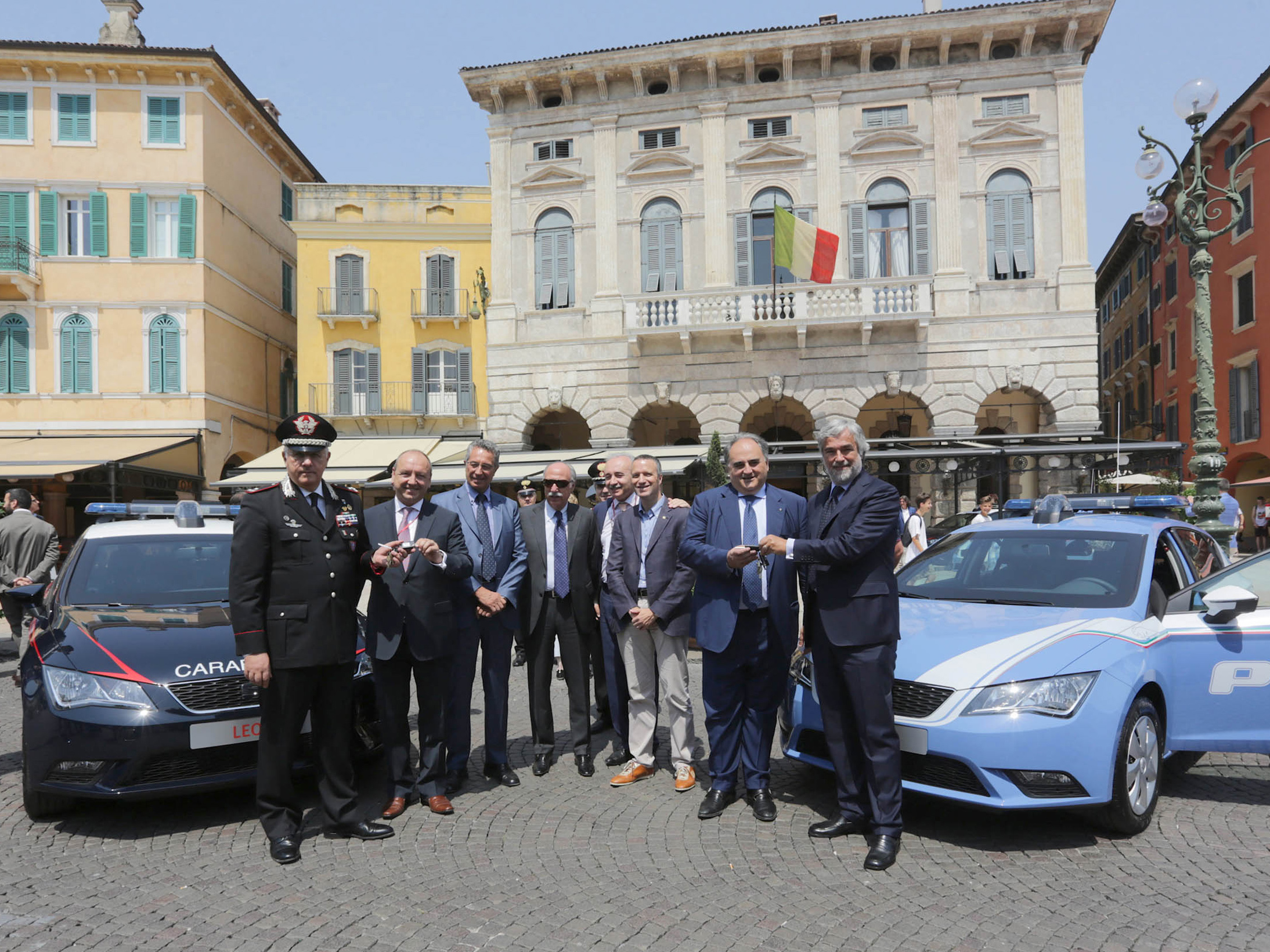
Italian Police chooses SEAT Leon

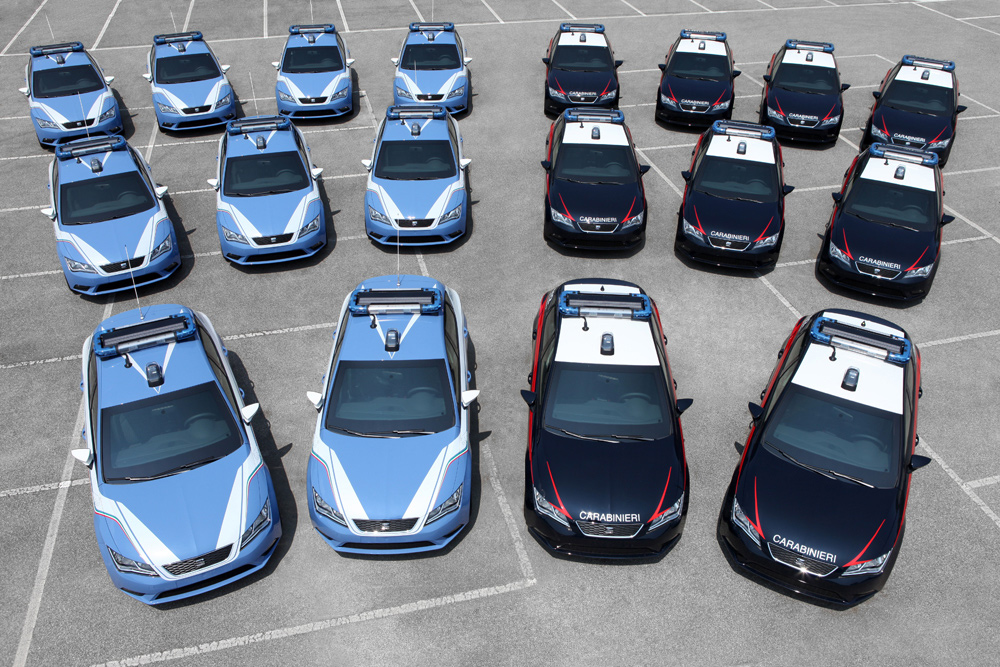
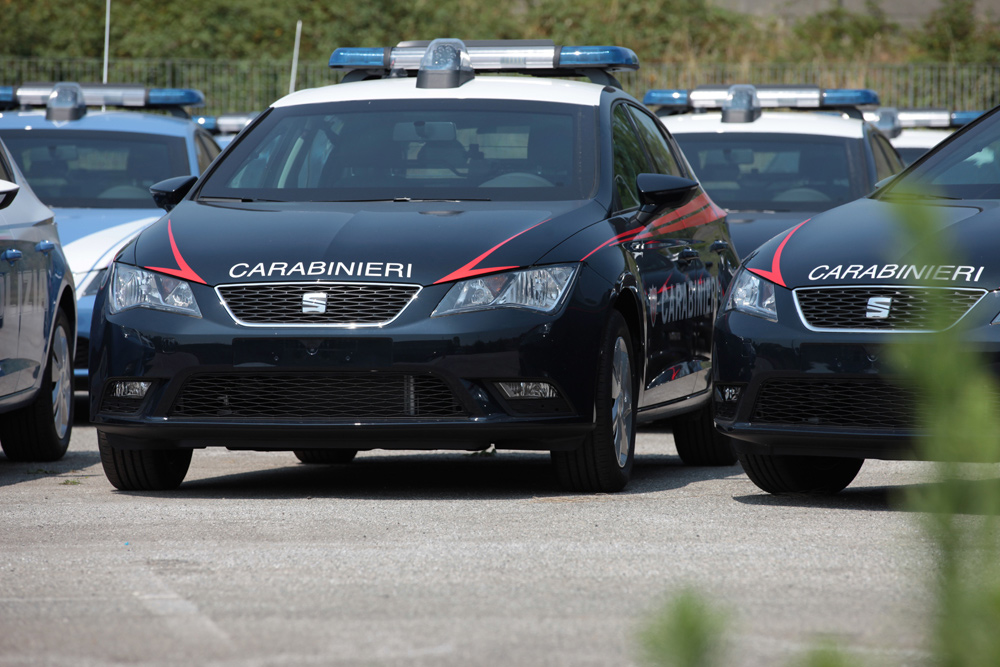
SEAT has won the fleet contract to supply new Leon cars to the Italian police.

The first 206 vehicles have already started being handed over, with an initial 106 service vehicles being delivered to the Carabinieri and a further 100 to the Polizia di Stato. Overall, the contract includes the option for up to 4,000 vehicles over the next three years. So far, they have taken orders for 925 cars, split between 475 'panthers' (Polizia di Stato) and 450 'gazelles' (Carabinieri).

This marks the first time that both police forces have tendered and selected the same brand and the same vehicle. SEAT says that major factors in the decision included the Leon’s low fuel consumption and emissions figures, as well as its high quality and excellent total cost of ownership.

"We are honoured by the trust given by the Italian police in SEAT and the Leon. And we are very proud to be able to contribute thanks to reliable, secure and high quality vehicles to public safety," says Jurgen Stackmann, Chairman of the Executive Committee of SEAT. 
The new Italian police cars are based on the five-door Leon powered by the 150 PS version of the 2.0 TDI engine. The front end of the cars will be armoured against small arms fire and special safety tyres are fitted, with the suspension adapted to suit. 
Warning and alarm lights, radio and communications equipment, weapons carriers and other items of equipment are also featured and the back seat is laid out as a secure 'prisoner cell', with police officers seated in the front protected by a dividing partition.

Extensive prototype tests were conducted with two vehicles codenamed 'gazelle' and 'panther', while comprehensive endurance testing assured the quality of the vehicles, which will face harsh and demanding conditions in day-to-day use. The armoured door, for instance, was opened and closed 100,000 times and the two vehicles were finally driven continuously for 30,000 kilometres, stopping only to refuel and relieve drivers. 

The base vehicles are produced at the SEAT factory in Martorell near Barcelona, before being transferred to Chivasso, Italy for further adaptation at N.C.T. (Nuova Carrozzeria Torinese), the specialist firm that has converted most of the police cars in Italy since 2003.

Supercars, Sports Car, News

First VUHL 05 supercar leaves factory

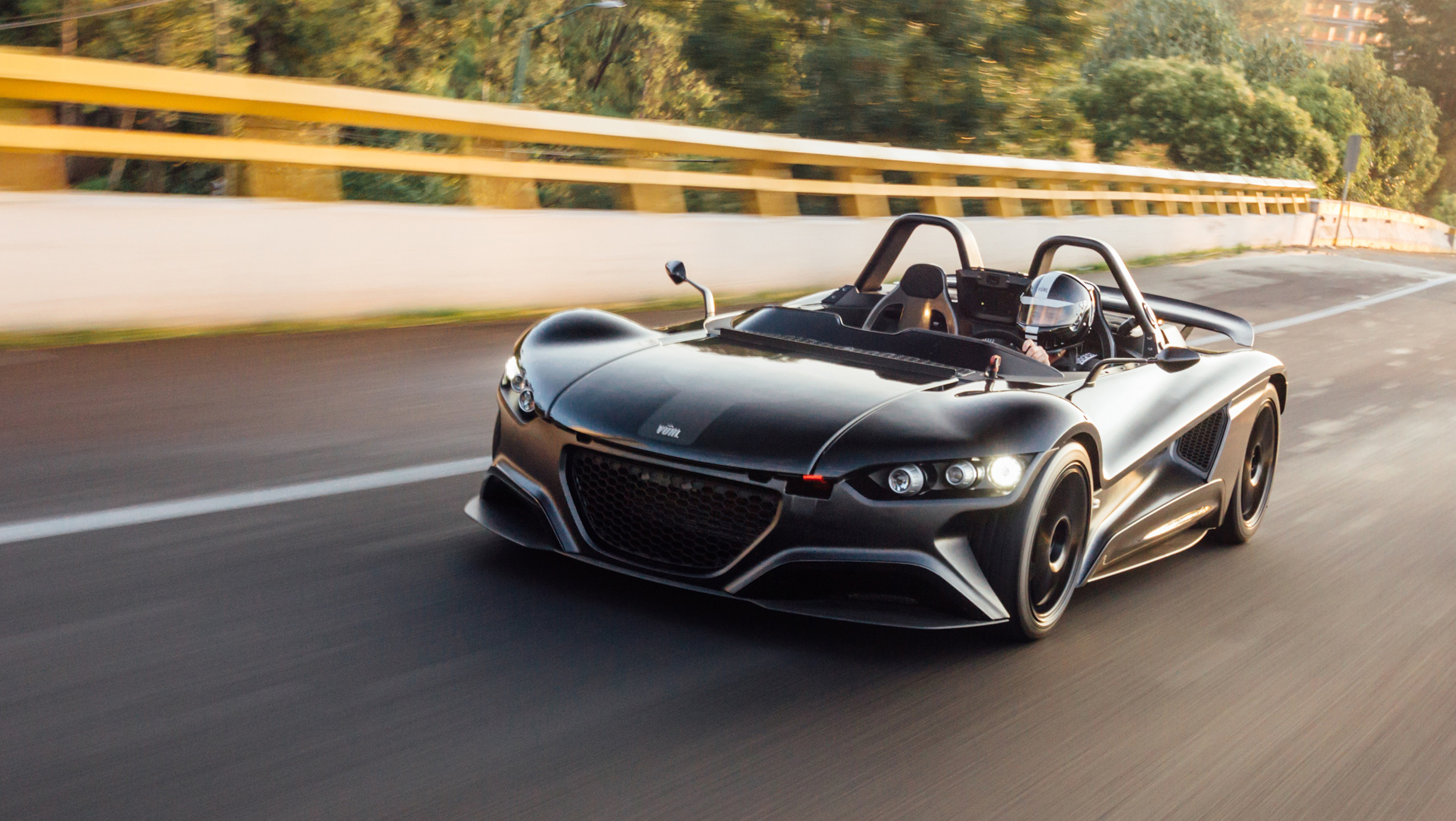
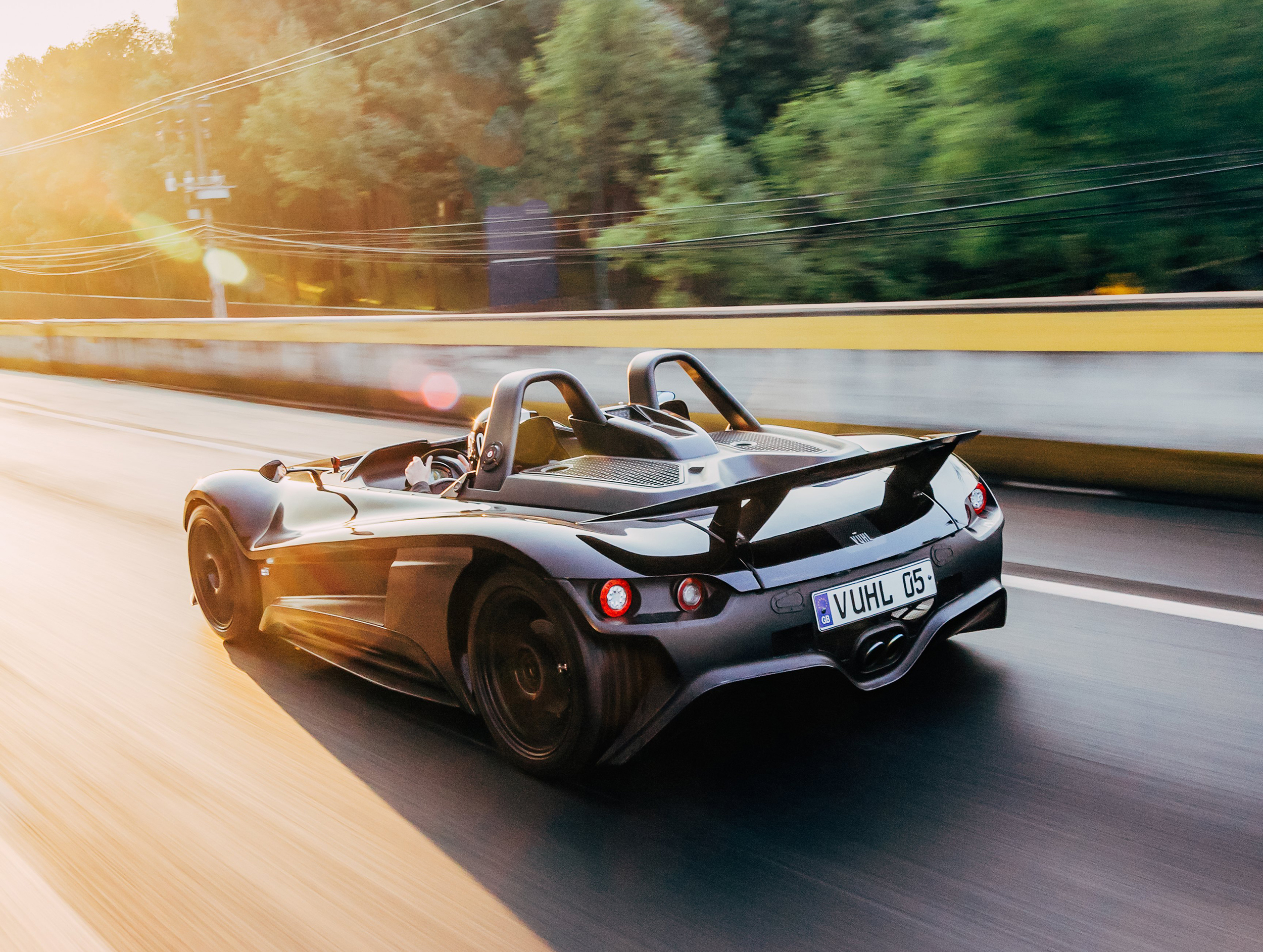
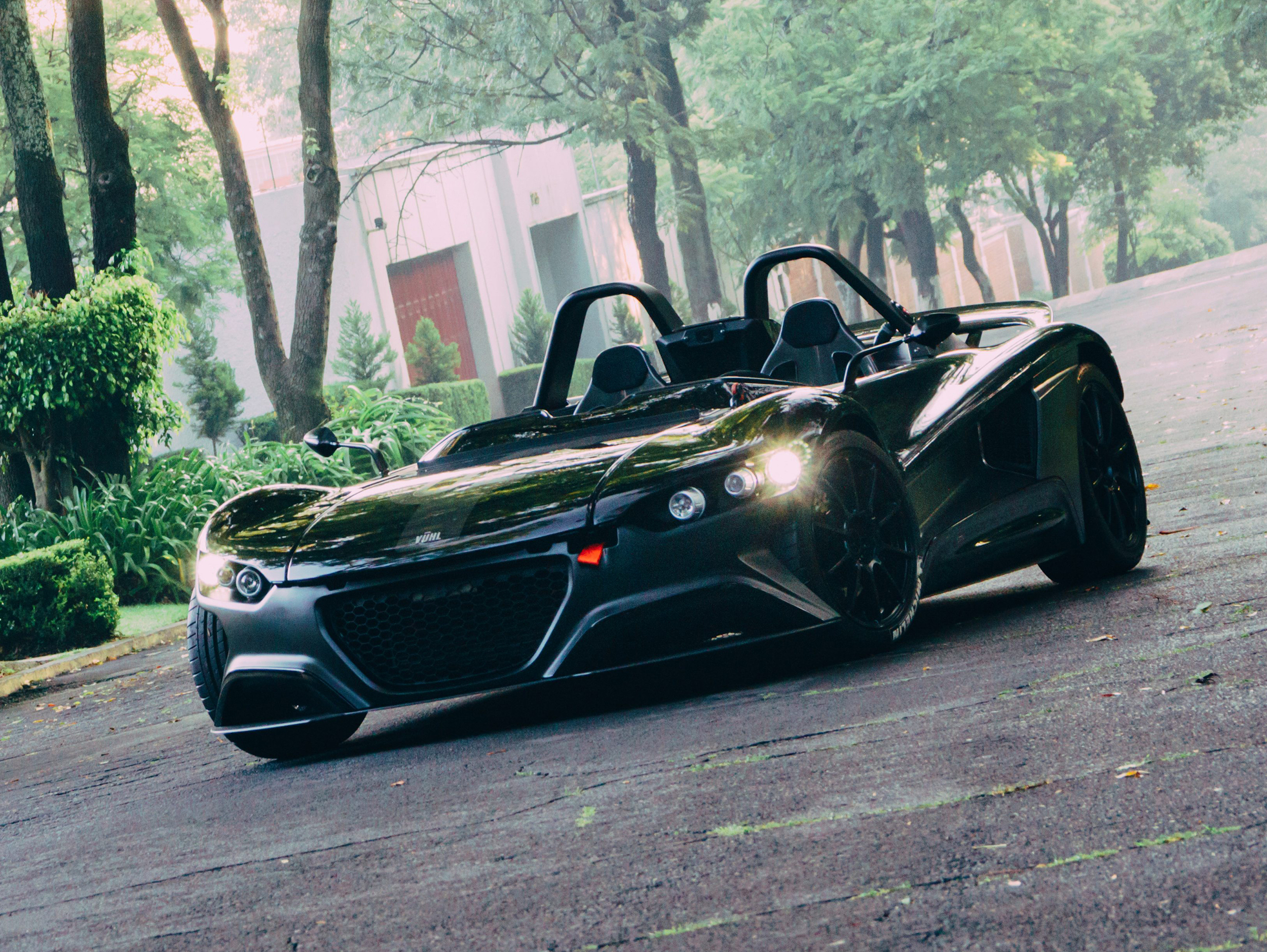
The first production example of the Mexican-made VUHL 05 sports car has rolled off the production line.

With all-carbon bodywork, the lightweight VUHL is the first of several destined for the Mexican roads this year. The street legal road/track car will soon be heading to the Middle-East, while nearer to home, the first right-hand drive examples passed the IVA (Individual Vehicle Approval) test and will shortly be unveiled to the UK media. The appointment of the first British dealership will be the final step on the road to UK sales, with an announcement 'imminent'.

VUHL Technical Director Iker Echeverria said: "We are obviously extremely happy to have entered full-scale production with our 05 model, and experienced the delight of our first customer". VUHL Managing Director Guillermo Echeverria added: "It is naturally very rewarding to have a bank of orders for Mexico and the Middle-East, but we fully recognise the importance of the UK market and have therefore worked especially hard to ready the car for sale in this territory. This has included creating a special all-inclusive launch price of £59,995."

Weighing in at just 695kg, the VUHL is powered by a mid-mounted 285bhp version of Ford's 2.0-litre, DOHC turbocharged EcoBoost engine, which endows it with a 'highly competitive' power-to-weight ratio of 400bhp per ton - sufficient for a 0-60mph time of 3.5 seconds and top speed of over 150mph. Designed and built in Mexico, 40 percent of the 05's components are sourced from the UK.

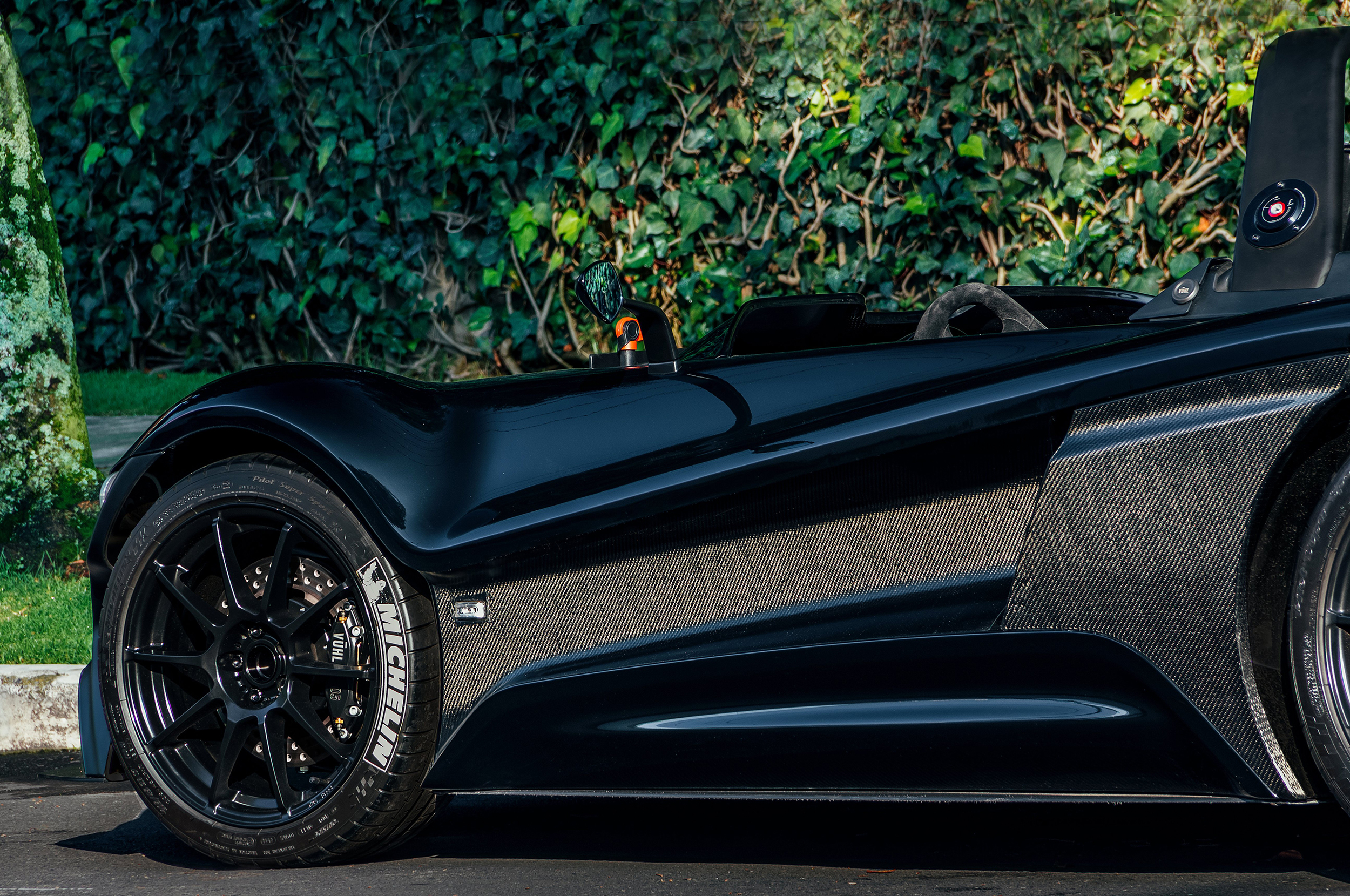
The chassis comprises a three-section bonded tub constructed from aluminium extrusions and aluminium honeycomb - what VUHL describes as 'aerospace technology' that provides the 05 with a high level of torsional rigidity for optimum handling. Bolted direct to the passenger cell is a chrome-moly steel subframe housing the engine and rear suspension. A three-stage forward crash structure and double layer sidewalls provide a matchless level of protection for the occupants. The standard body is made from GRP, but carbon fibre is an available as an option - it saves over 30kg in weight and the exposed parts can be configured to taste. The cars aerodynamics include a flat underbody, front and lateral splitters, rear diffuser and rear spoiler.

The specification further includes: six-speed manual Ford gearbox, high-ratio rack and pinion steering, suspension by unequal length double wishbones front and rear. Braking comes from four-pot alloy calipers all-round, operating on 310mm ventilated, cross-drilled discs at the front and 280mm ones at the rear. Sparco alloy wheels are shod with Michelin tyres.

Upgrade options include carbon bucket seats with water-resistant Dinamica suede trim, exposed carbon bodywork panels, 330mm quick-release suede-covered steering wheel, electronic data acquisition dash, built-in HD camera, wide range of colours in matt and gloss finish and a titanium bolt pack.

City Car, Electric, News

New trim and longer-range motors for Electric Renaults

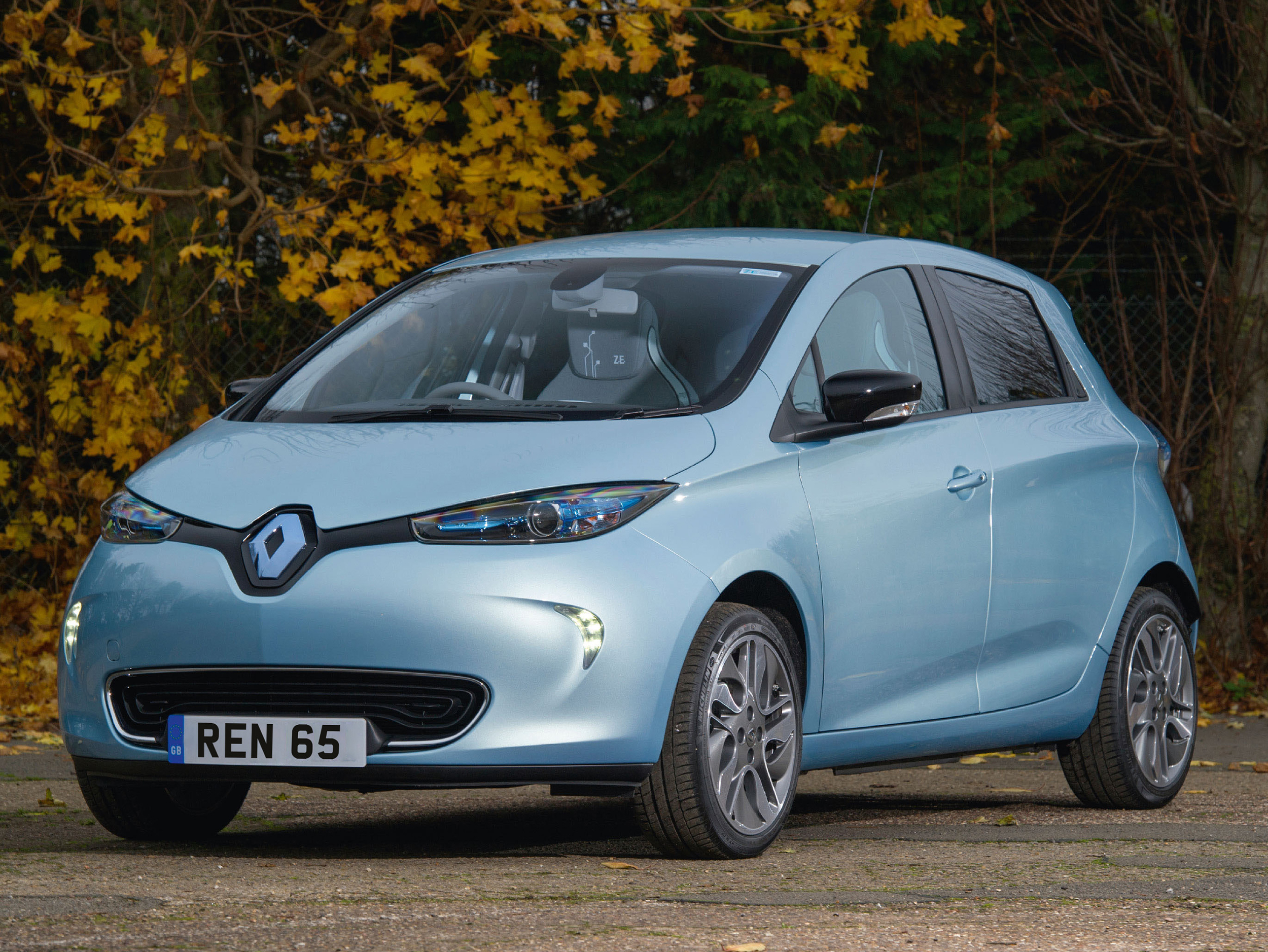
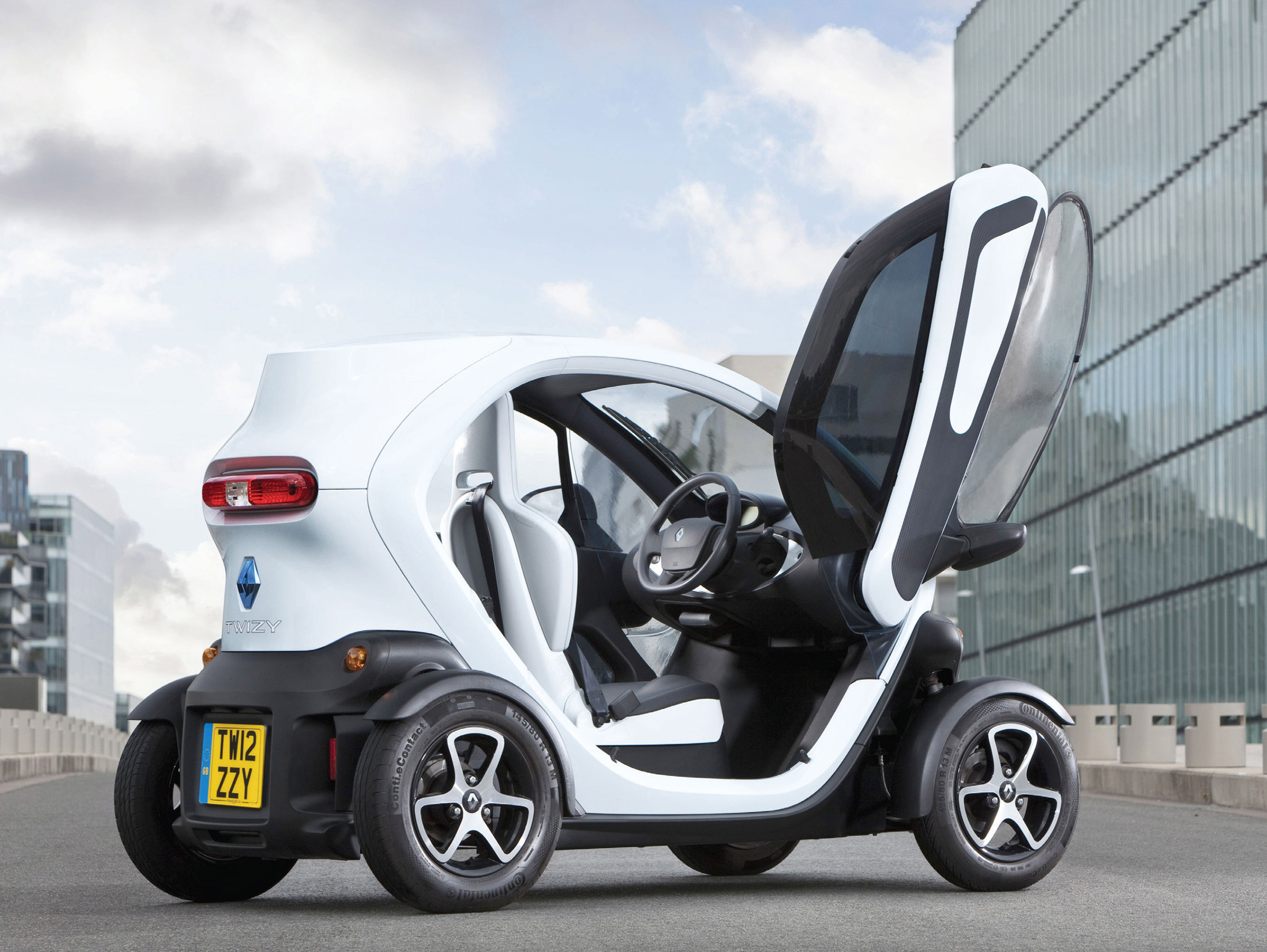
Renault has updated the trim levels of two of its three electric vehicles on sale in the UK, and added new longer-range electric motors.

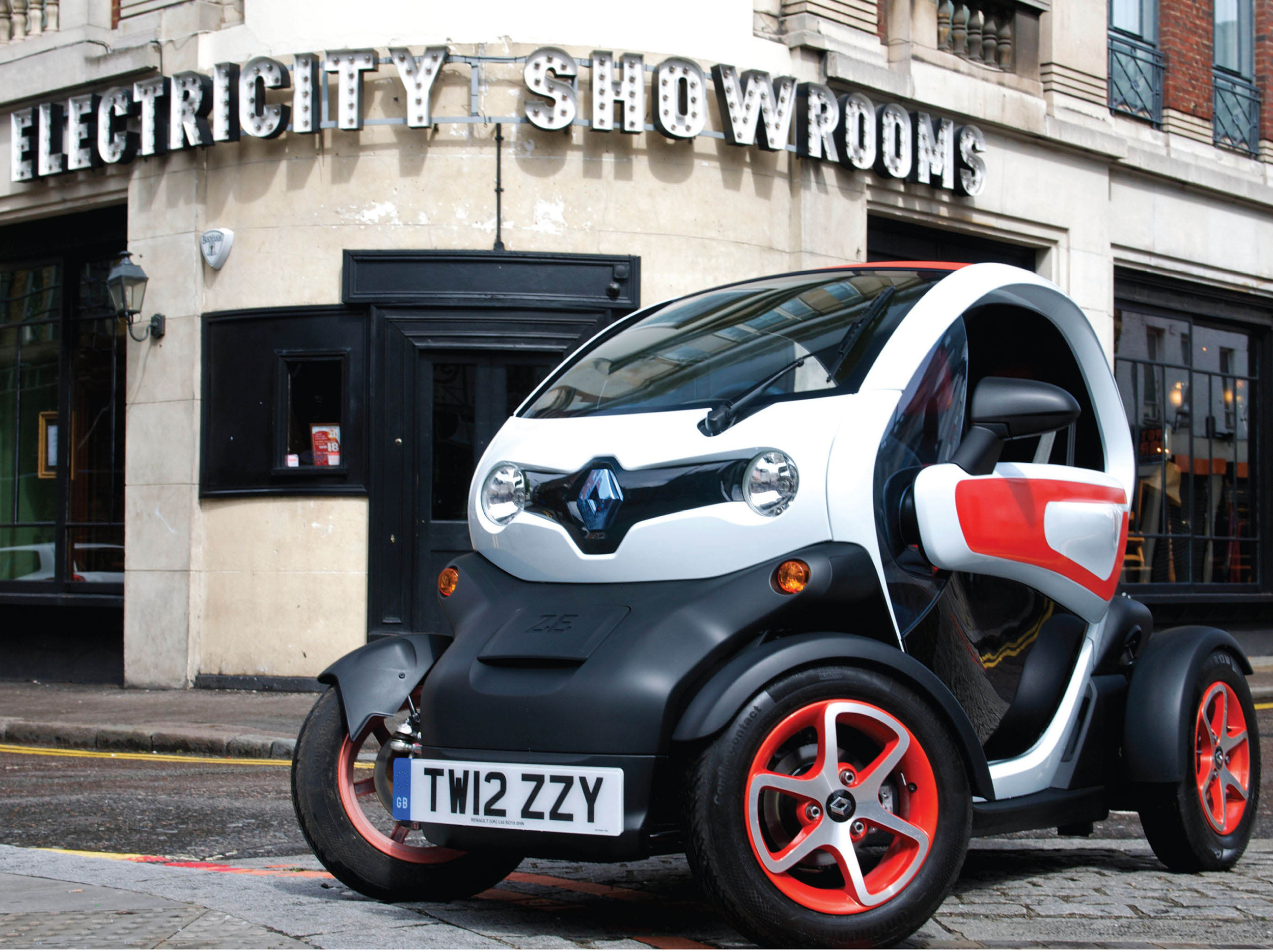
The ZOE supermini and urban Twizy have been refreshed to bring them into line with the company's combustion-engined vehicles and create a more uniform grading structure across all the brand's models.

The changes to the ZOE line-up have been timed to coincide with the introduction of a new, in-house-developed, longer-range electric motor. The new line up, with previous models in brackets, consists of Expression Nav (Expression), Dynamique Nav (Dynamique Intens) and Dynamique Nav Rapid Charge (Dynamique Intens). Expression Nav and Dynamique Nav feature the new motor, known as the R240, while Dynamique Nav Rapid Charge retains the original power unit. All three grades of ZOE are available to buy as either battery hire or full purchase 'ZOE i' versions.

The new R240 motor extends the operating range by almost 15 per cent to 149 miles in the New European Driving Cycle. It gives the ZOE a real-world range of 71 to 106 miles, depending on driving style, the use of electrical features like air conditioning, the season and where the car is being driven.

It also features integrated rather than stacked modules, with reduced gaps and no external power cables so that it is more compact. It also has a simplified air-cooling system and a three-in-one junction box incorporating the Chameleon charger and power electronics to form a single unit called the Power Electronic Controller. In the R240 motor this is the only part which is water-cooled.

The result is a 10 per cent reduction in size with no loss of performance, and with reduced energy consumption and faster charge times. This makes it especially suitable for use in smaller cars.

Both motors develop a maximum output of 65kW (88hp) and near-instantaneous maximum torque of 220Nm available in less than one-hundredth of a second. They deliver identical driving performance, with 0-30mph attainable in around four seconds and 0-50mph in 8.6 seconds.

The decision to offer two motors comes about because Renault says it has identified distinct types of use among its EV customers. Many have regular driving patterns, and will therefore appreciate the increased range and reduced charging requirements with the R240 motor. But others are less predictable in the way they use their car. For them, ultimate range is usually not a handicap - but they need the ability to rapid-charge to 80 per cent of battery capacity in the shortest possible time on occasions.

For the Twizy model, 'Expression' replaces the former Urban version and 'Dynamique' takes the place of Technic in the line-up while the Cargo remains unchanged. There have been minor changes to colours, trims and wheels.

The Renault ZOE is priced from £13,445 after the Government's Plug-in Car Grant while the Twizy starts at £6,895 OTR for the Expression.

Saloon, News, Diesel

BMW adds ED Sport model to 3 Series

BMW has added a sportier model - the 320d ED Sport - to the 3 Series range.

Adding a sportier look and design to the EfficientDynamic (ED) model, the new trim is based on the recently introduced ED Plus model.

With an OTR price of £30,205, the 320 ED Sport comes with further standard equipment such as the 17-inch light-alloy wheels, as well as Business Navigation, a selection of Dakota leather upholsteries, Sports steering wheel, unique trim finishers and Heated Sports Front Seats. The ED Sport provides £840 of standard equipment for £500 more than the ED Plus model.

Powered by the new 2.0-litre engine and available in either a six-speed manual or eight-speed automatic, the new model teams performance with 'better than ever emissions and fuel consumption'. The new BMW 320d ED Sport emits 104g/km of CO2 (manual: 108g/km), and has a combined fuel consumption of 70.6mpg, making it the 'cleanest and most fuel-efficient' sports model in the 3 Series range. BMW says the 'impressive fuel economy' doesn't impact on performance with the 2.0-litre diesel engine developing 163hp and an acceleration from 0 to 62mph in 7.8 seconds on its way to a top speed of 143mph.

The improved technologies include Active Air Flaps integrated into the kidney grill and a lowered suspension set-up, both working to improve aerodynamics and overall performance and efficiency. This allows the 320d ED Sport Saloon to occupy a VED Band B and the Touring model to occupy the VED Band C with a Benefit in Kind (BIK) taxation rate of only 19 and 20 per cent respectively (Automatic: 19 and 20 per cent).

OTR prices for the BMW 320d ED Sport start at £30,205 for the Saloon and £32,285 for Touring model.

Concept Car, Crossover, News

Subaru XV gets new upgrades and tech

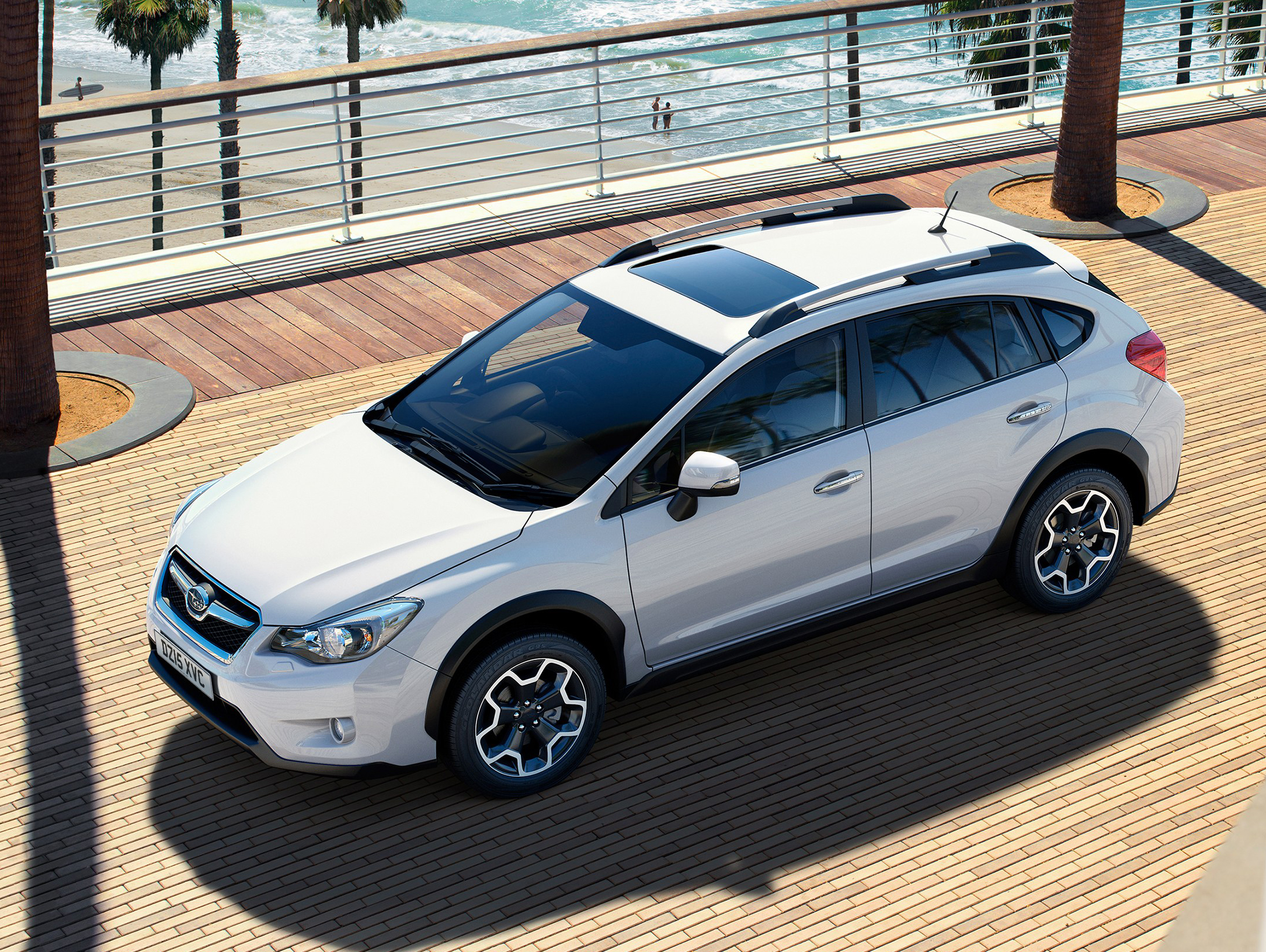
Subaru has confirmed a series of modifications and upgrades to the interior and chassis of its XV compact crossover.

Featuring what Subaru describes as 'the lowest centre of gravity in the compact crossover class - and the highest ground clearance', changes to the car's suspension have been designed to result in a smoother, more compliant ride but without sacrificing stability.

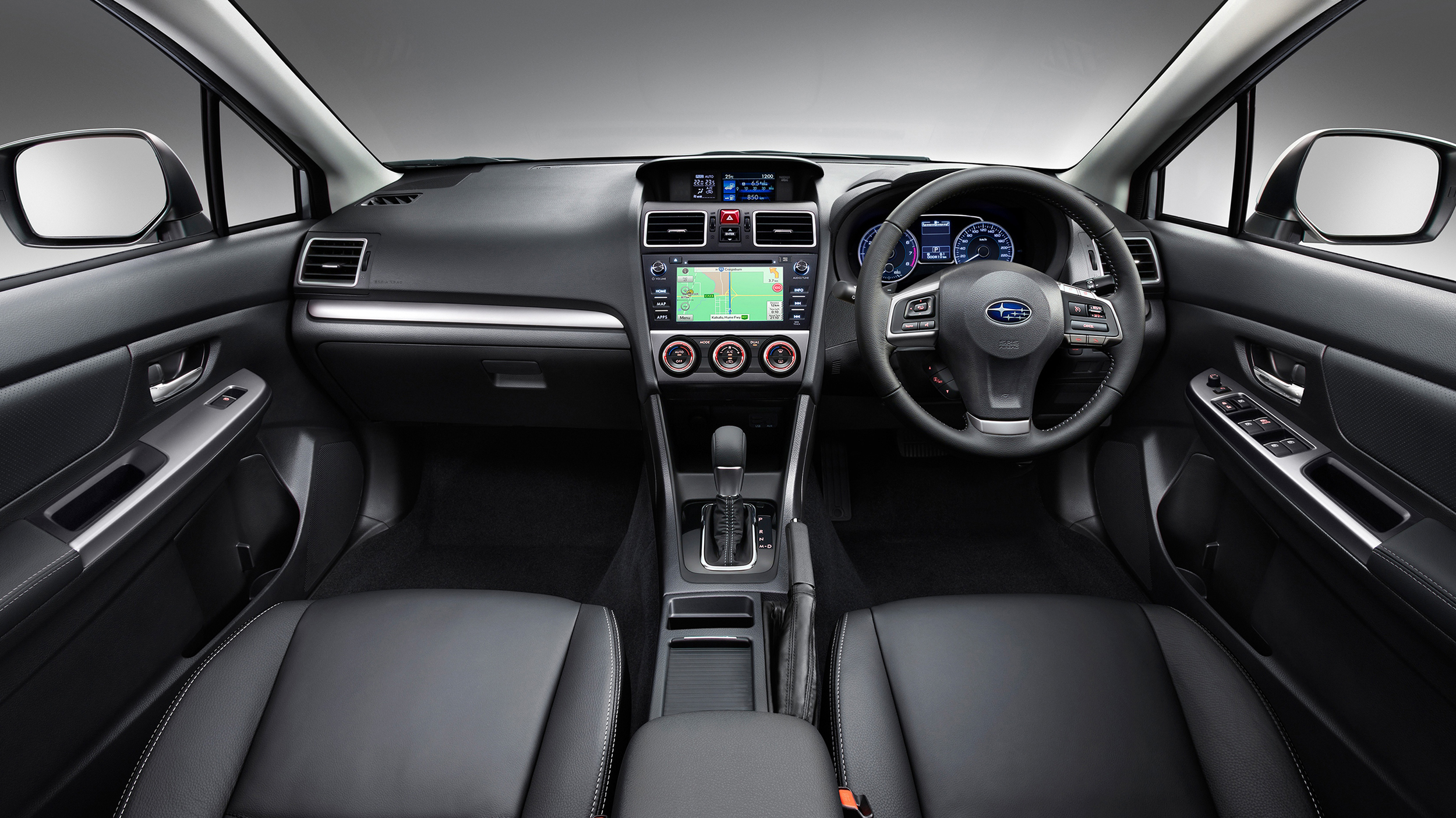
Among the changes to the upgraded and revised interior includes improved materials a well as an all-new touchscreen infotainment and navigation system. Subaru describes the interior as featuring a 'higher-quality' look and feel with the adoption of an all new instrument binnacle and new metallic and piano black accents throughout the cabin for the central console, dashboard and steering wheel switchgear. The new 7.0-inch touchscreen display allows smartphone-style control over the advanced navigation and infotainment features, with a swipe and pinch control function for map displays.

The driver's LCD instrument binnacle has been completely redesigned and features more upmarket, contemporary blue dials with new graphics. The infotainment display echoes the new blue glow of the driver's instrument binnacle and also now houses a standard-fit rear view camera, offering a wide 160-degree field of view behind the car when reversing.

Passengers can also now engage with the car's dashboard-top Multi-Function Display (MFD), which provides a range of information including the status of its permanent All-Wheel Drive system, as well as fuel economy and trip information.

The XV comes as standard with a Symmetrical All-Wheel Drive powertrain and Vehicles Dynamics Control system. For the upgraded model, Subaru says the engineers' key focus was to improve the car's ride quality and reduce the intrusion of noise, vibration and harshness (NVH) into the cabin. For both front and rear suspension, the dampers have had their pitch rate lowered, resulting in a 'smoother and more comfortable ride than earlier models', while reducing roll slightly.

The rear suspension features new spring rate settings to further improve stability under cornering by ensuring greater tyre contact with the road, while allowing for greater flexibility in ride over broken road surfaces.

Noise from inside the cabin has been reduced thanks to the more widespread application of sound-absorbent material throughout the car, further cutting the intrusion of vibrations and engine, wind and road noise into the cabin. This has been managed with the adoption of new under-bonnet insulators, extra sound-deadening material throughout the floor of the car, and sealing and sound-absorbing materials around the front and rear quarter lights and door lips.

In spite of the changes, the upgraded Subaru XV retains its existing on-the-road (OTR) price, with the range starting from £21,995 for the XV 2.0i SE to £25,995 OTR for the range-topping XV 2.0D SE Premium, and goes on sale this month.

Hybrid, News, SUV

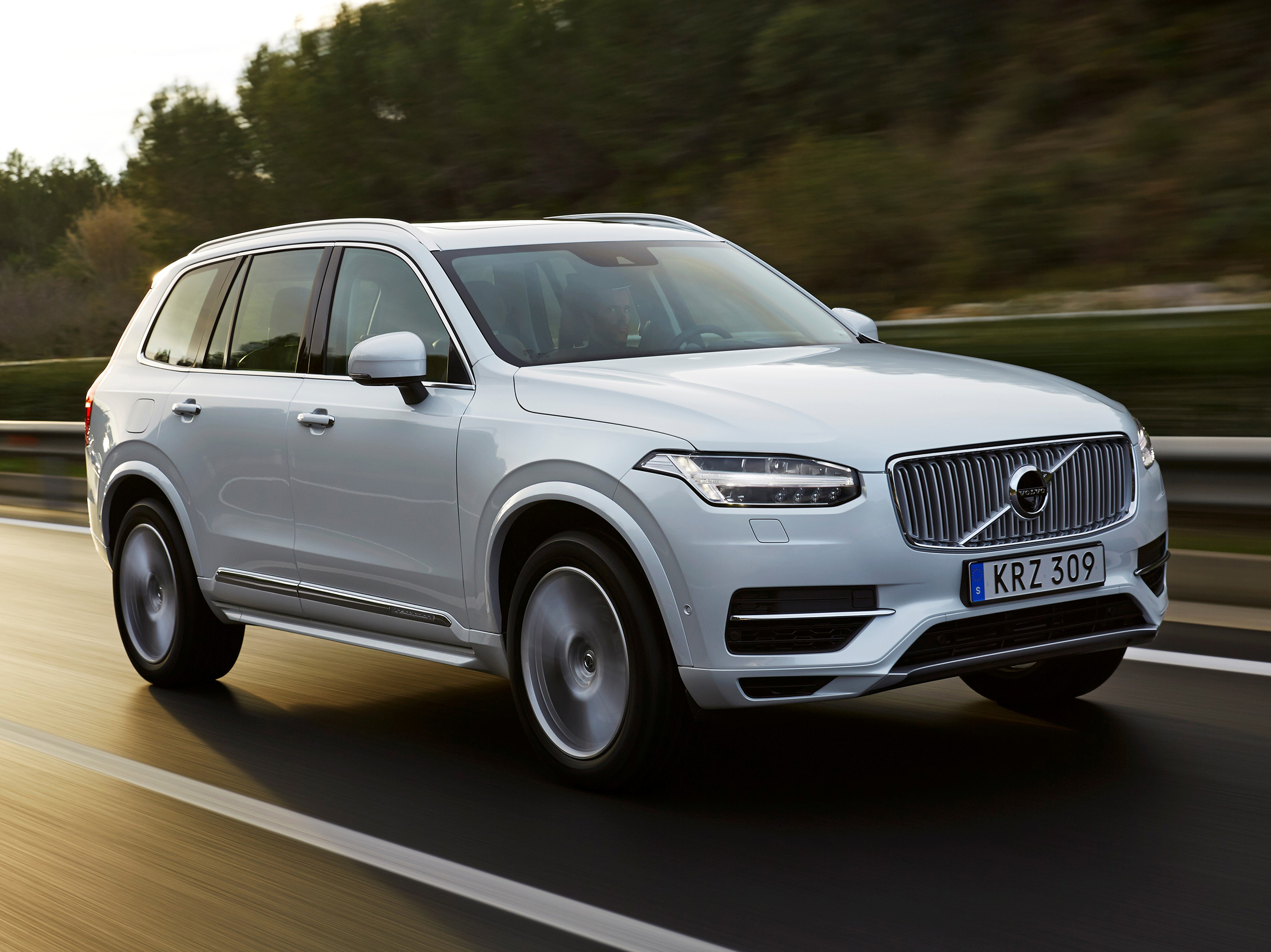
Volvo hybrid XC90 qualifies for UK plug-in grant

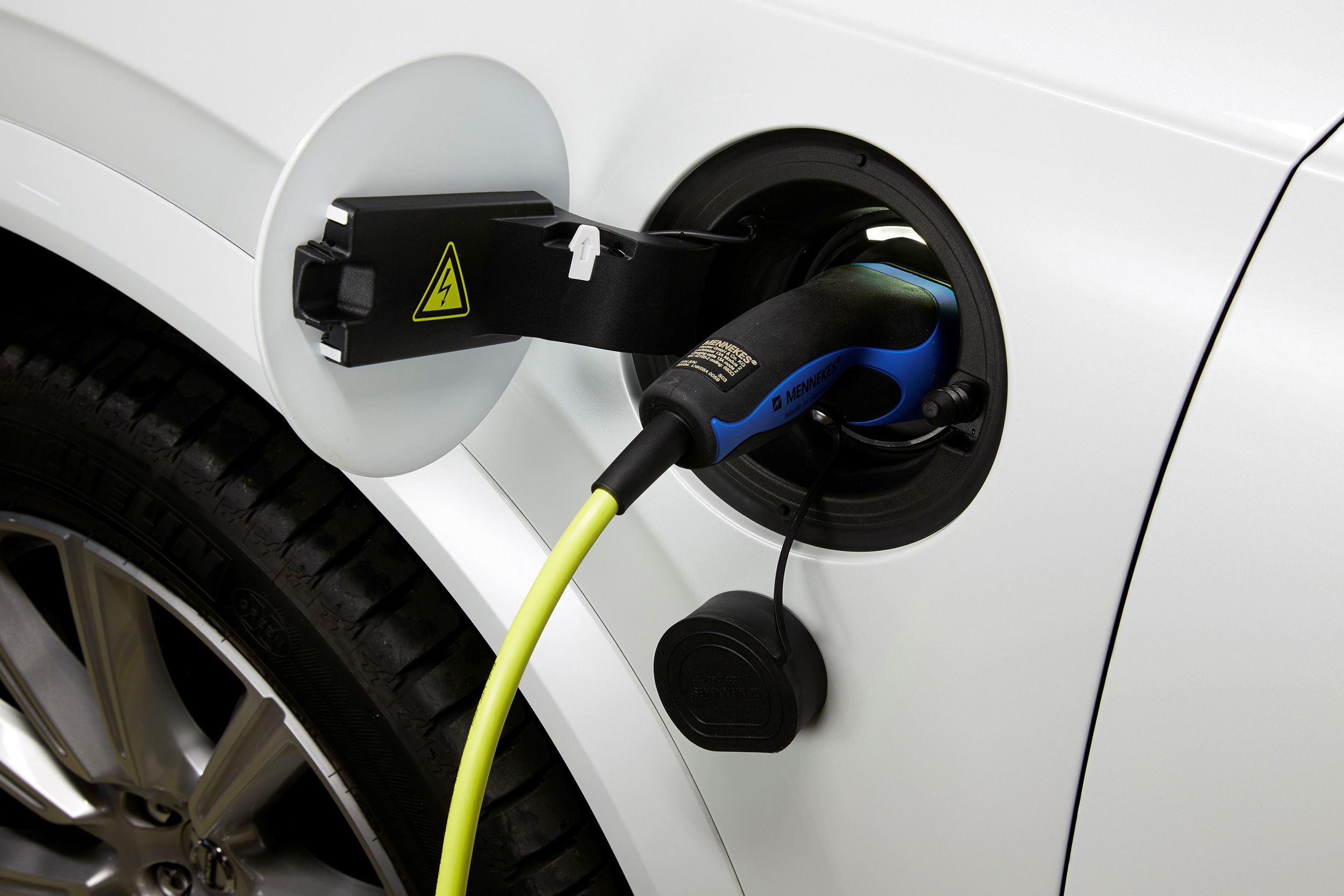
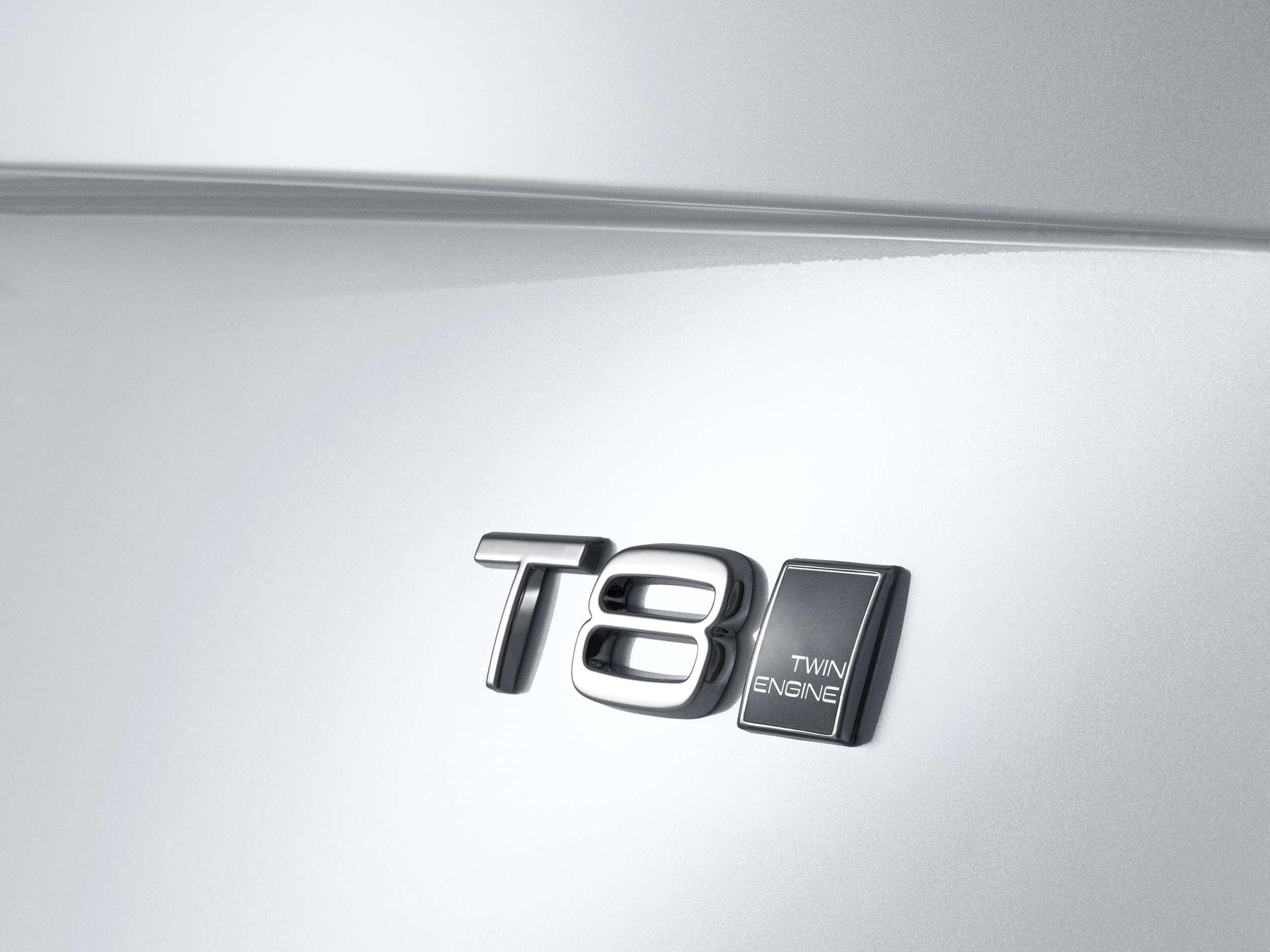
Volvo's first petrol plug-in hybrid - the XC90 T8 Twin Engine - has qualified for the UK Plug-in Car Grant (PICG) scheme.

That means the new XC90 is now available with an on-road price of £54,955 including the PICG. The Plug in Car Grant has a designed criteria to encourage manufactures to decrease the level of outputted CO2 exhaust emissions. To achieve this, hybrid vehicles must emit less than 75g/km, a minimal travelling range of 10 miles and must reach a speed of at least 60mph. 

Built on Volvo's SPA - Scalable Product Architecture - the platform is designed to incorporate electrification without encroaching on interior space. With the necessary battery pack concealed in the centre console, the Drive-E powertrain, from its initial concept, was designed to include electrification, with the new XC90 utilising both a 320hp petrol engine and 87hp electric motor.

With a combined output of 407hp, this 7-seat SUV emits a low figure of 49g/km of CO2, at the same time being able to go from stand still to 60mph 5.3 seconds.

The T8 Twin engine allows the driver to choose multiple drive modes: Pure - allows drivers to use electric energy for up to 28 miles with zero exhaust emissions. Hybrid - uses a combination of the electrical and petrol motors to achieve reduced CO2 exhaust emissions and Power - utilises the full power from both the petrol and electric motors allowing the driver to use the full 407hp available.

Companies choosing the XC90 T8 Twin Engine can benefit by writing down as much as 100 per cent of the cost against their income tax liability. Driver who choose the XC90 T8 Momentum pay as little as £99.83 BIK a month (40 per cent tax payer).

The Volvo XC90 T8 is on sale now and available in three trim levels: Momentum, R-Design and Inscription.

Crossover, News, SUV

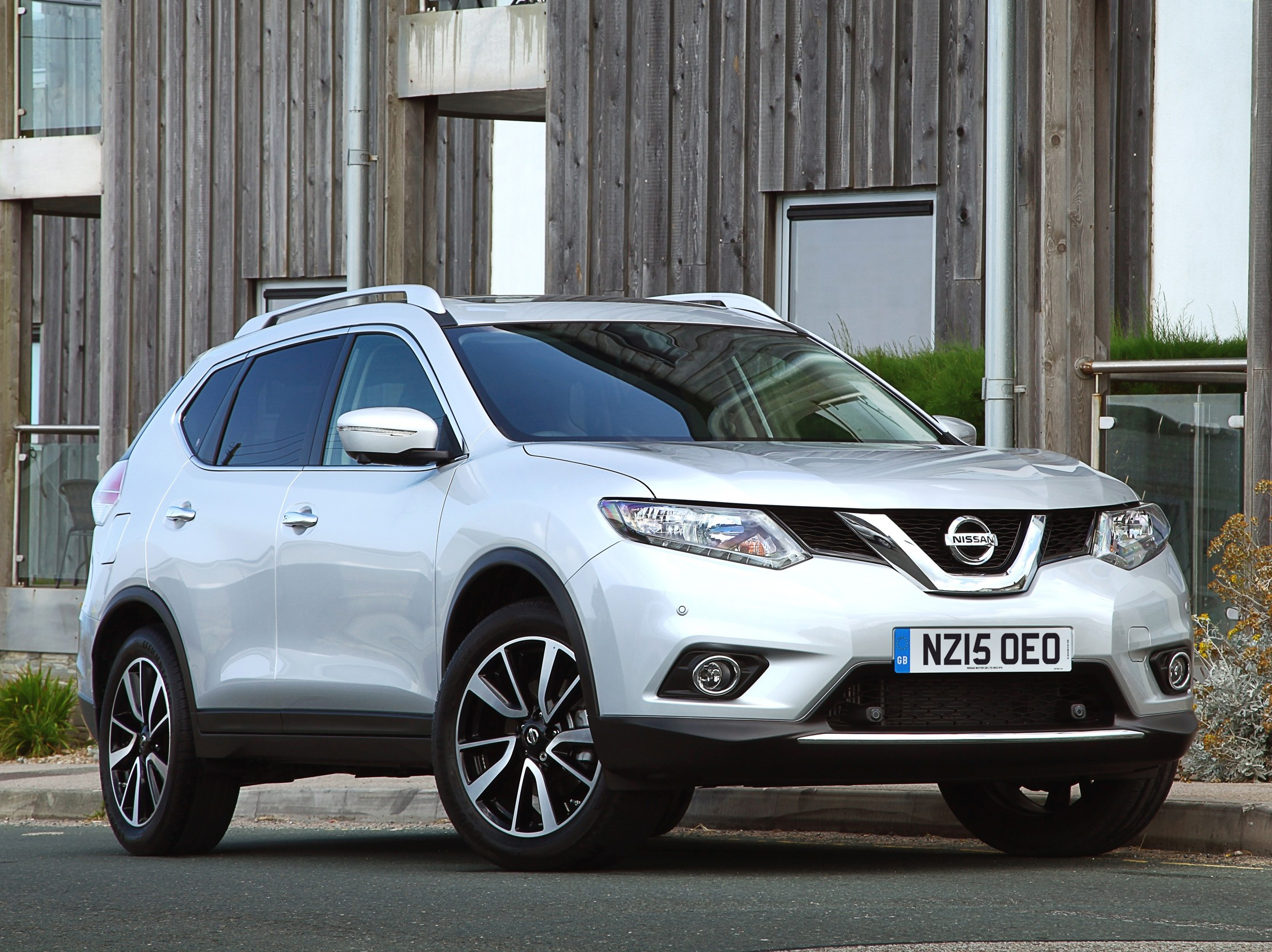
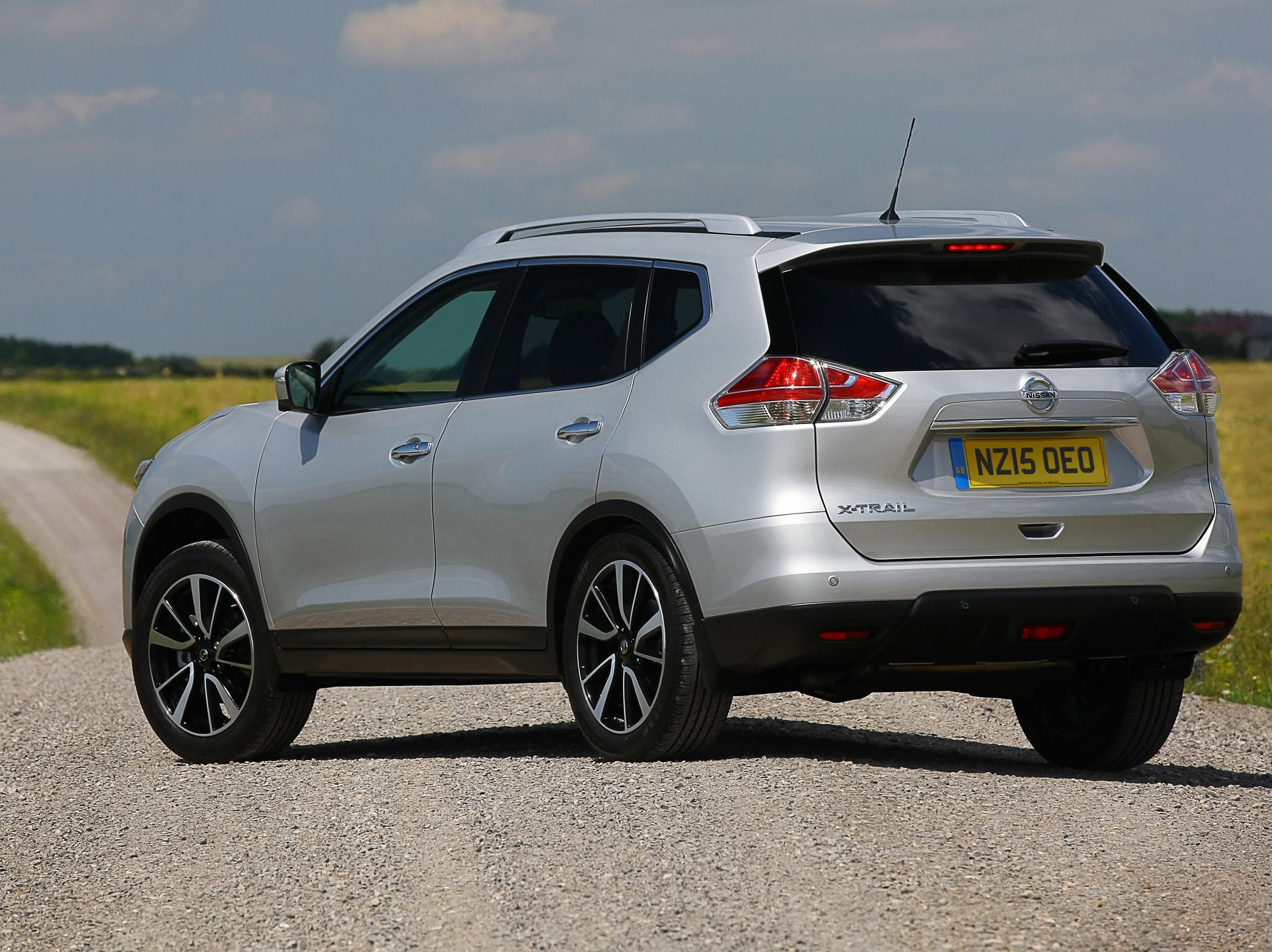
Nissan X-Trail gets new frugal engine

Nissan's new X-Trail has received a double boost with a new DIG-T 163 engine option, along with a price drop.

The introduction of the new DIG-T 163 engine simultaneously reduces the X-Trail's entry price to £21,995 - £1,460 lower than the current dCi 130 entry grade model.

Available to order now, with the first deliveries expected next month, the X-Trail's new 1.6-litre four-cylinder turbocharged petrol unit combines 'sharp performance with low CO2 output and exceptional fuel economy' says to Nissan.

Fuel consumption for Visia and Acenta models come in at 45.6mpg (44.1mpg for n-tec and Tekna), while CO2 emissions are 145g/km (149g/km for n-tec and Tekna). In terms of performance, the new X-Trail DIG-T 163 can sprint from 0-62mph in 9.7 seconds and has a top speed of 124mph.

Already a popular choice in the Qashqai range, the new DIG-T 163 engine is the most powerful engine in the new X-Trail range, and sits alongside the existing dCi 130PS unit.

With advanced turbocharging technology and features designed to maximise performance and economy, the new unit develops 163PS of power at 5,600rpm and 240Nm of torque between 2,000 and 4,000rpm. It is offered in two-wheel drive form only and a six-speed manual transmission is fitted as standard. To help drivers go further for less, the new DIG-T 163 is also equipped with Start/Stop ignition system .

The new DIG-T 163 engine is available across all standard X-Trail grades, with Acenta, n-tec and Tekna offering seven seater options.

Estate Car, News

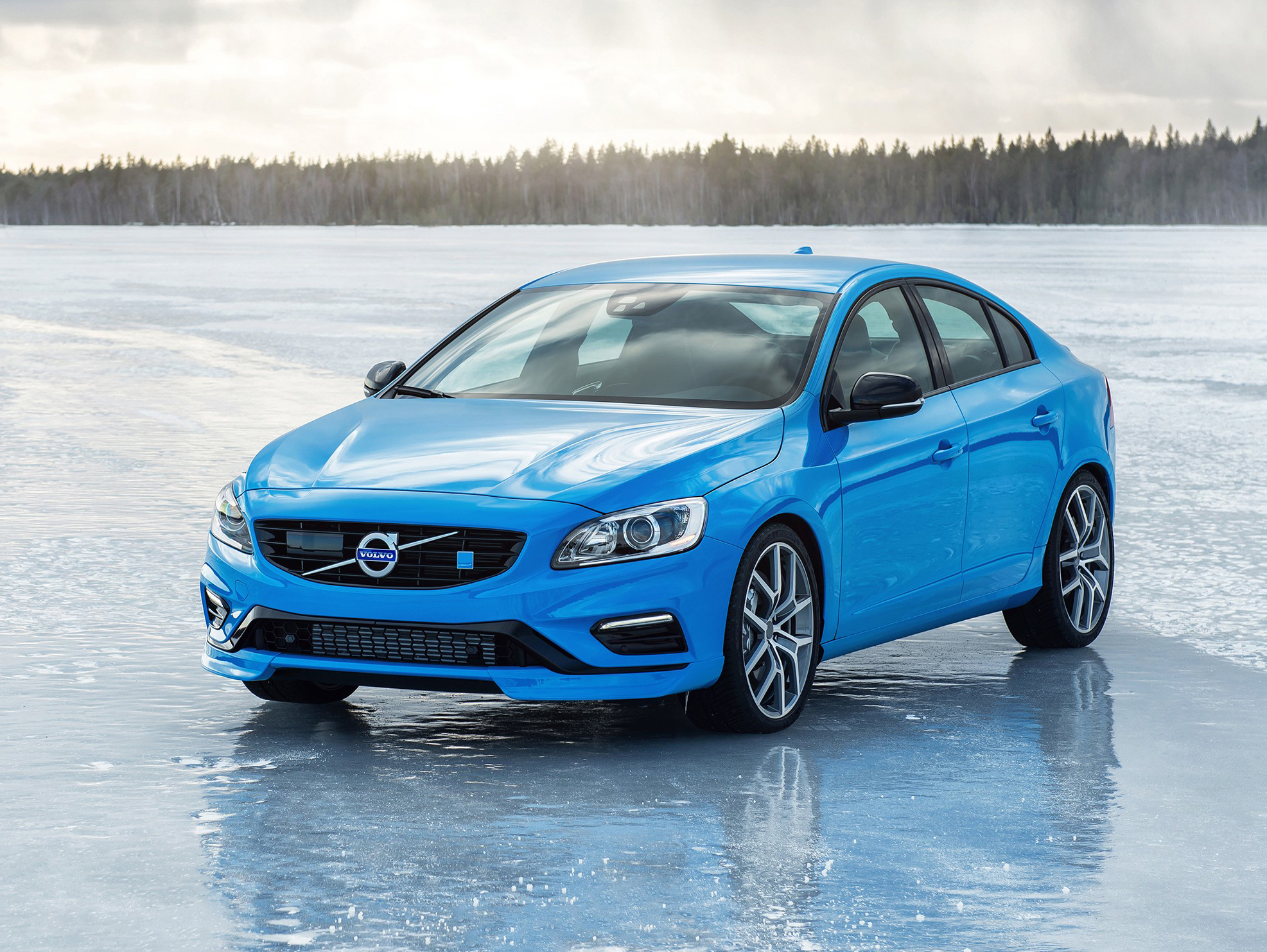
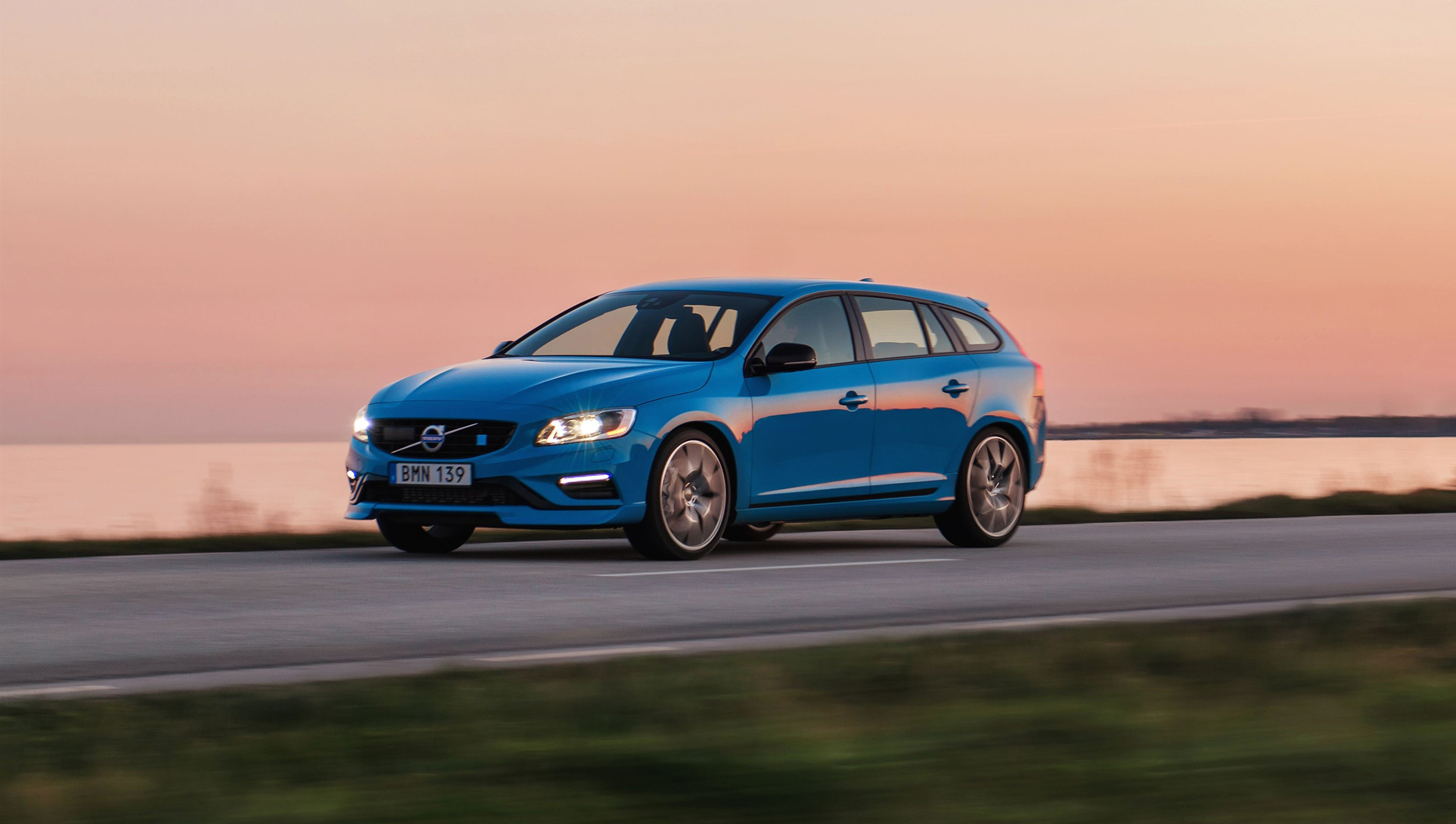
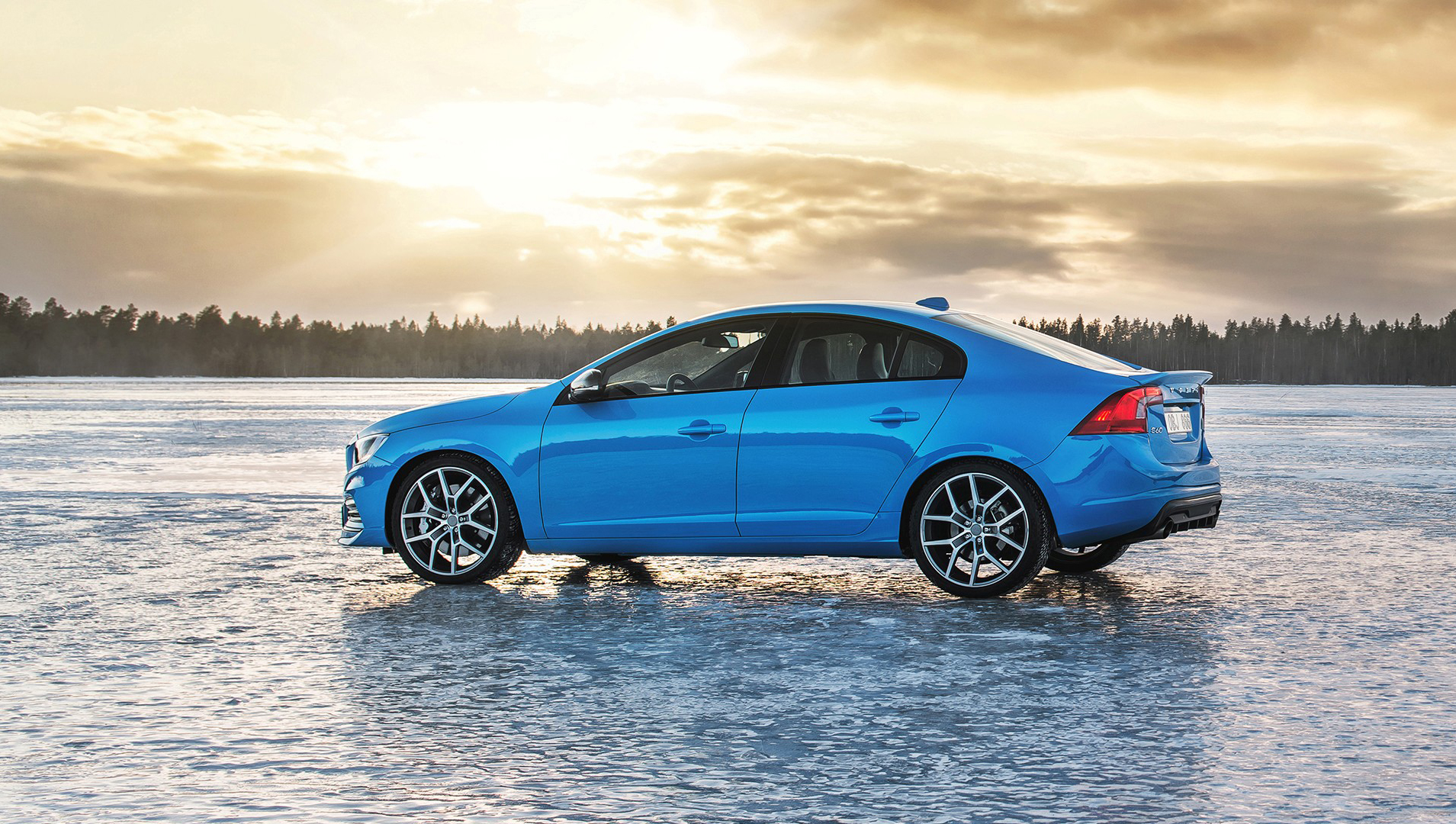
Volvo completes Polestar takeover

Volvo has acquired 100 per cent of Polestar, the Swedish high performance car company, including the Polestar brand.

Having worked together for many years, Polestar will now be used as the model name for special high performance Volvos. Polestar will also, in future, utilise Volvo's twin engine electrification technology to develop next generation performance cars. Volvo and Polestar have been working together in motor sport since 1996 and in recent years signed a cooperation agreement to jointly develop Polestar versions of Volvo cars that combine a comfortable Volvo driving experience with a very high level of power and handling.

The acquisition of Polestar Performance AB comprises of performance activities including performance-related software and aftermarket tuning hardware, as well as Polestar Holding AB, which is the owner of the Polestar trademarks. It has not acquired the racing division of Polestar.

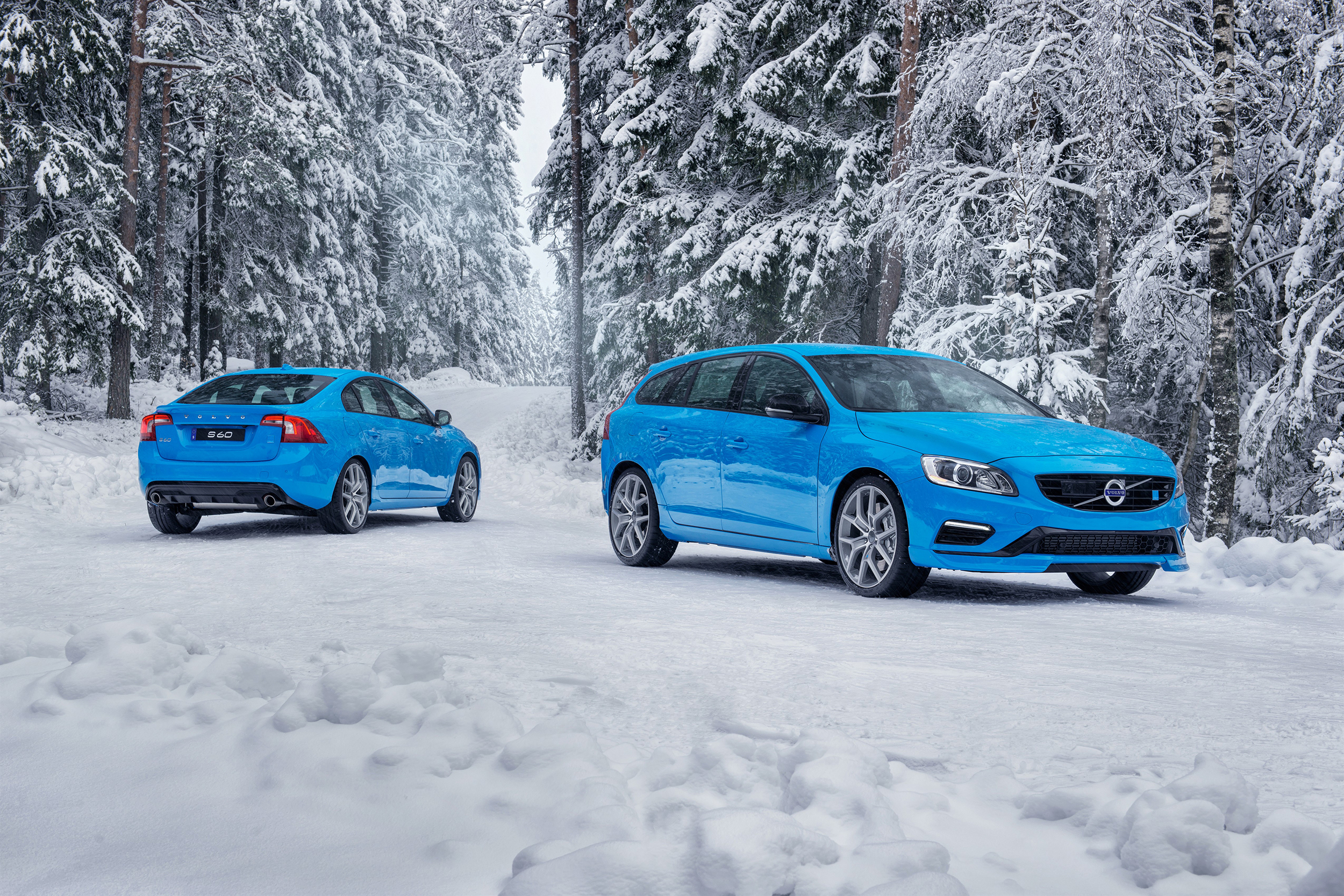
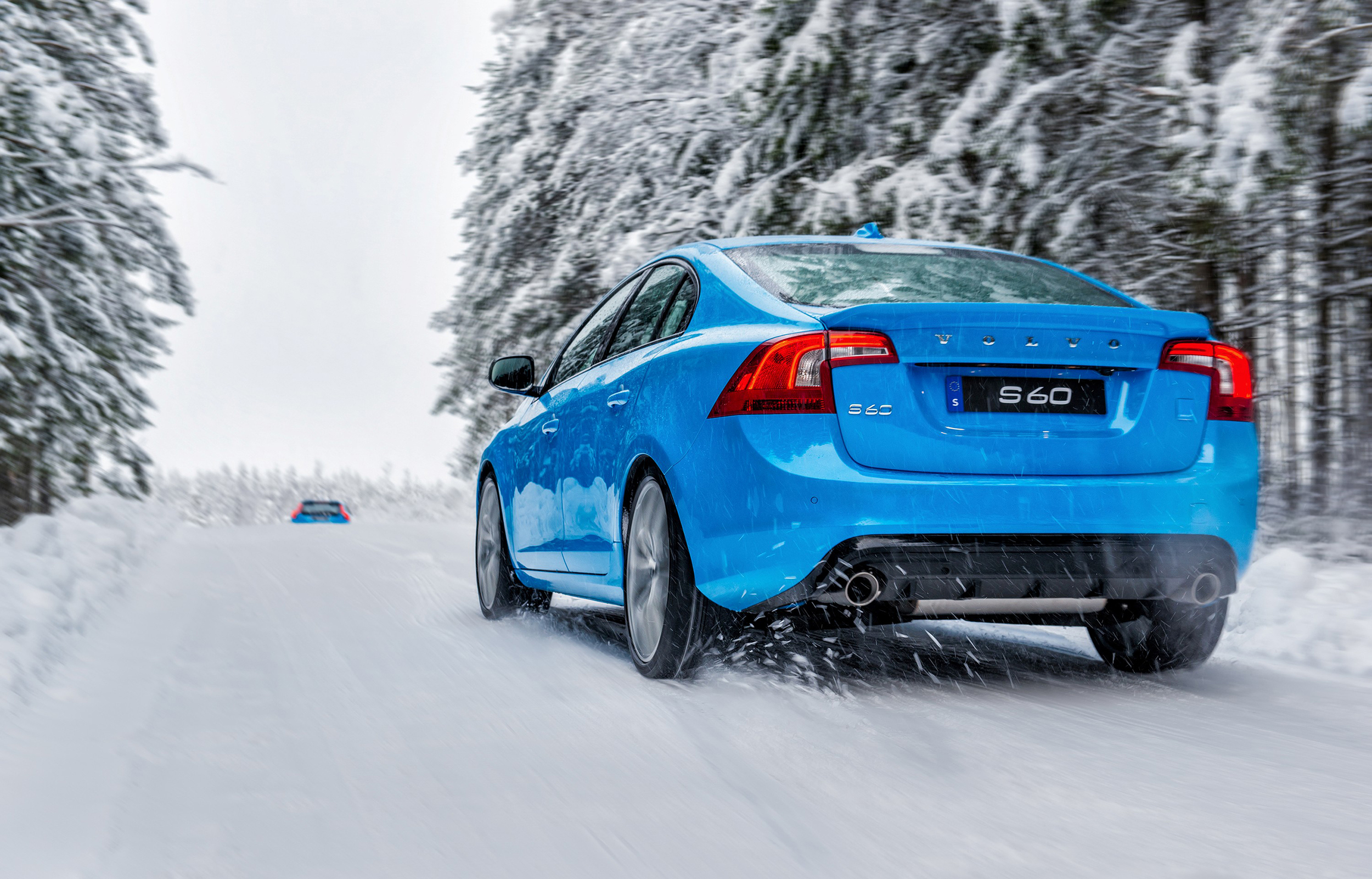
The Volvo S60 and V60 Polestar feature a 350 horse power T6 engine, for a 0-62 mph time of 4.9 seconds, as well as featuring an 'extensively developed chassis', increased mid-range engine performance in combination with supporting changes for the gearbox and throttle response.

"Driving a Volvo Polestar is a special experience. We have decided to bring this experience to more Volvo drivers, placing the full resources of Volvo behind the development of Polestar as the model name for our high performance cars," said Hakan Samuelsson, president and chief executive of Volvo Cars.

In 2015, Volvo says it expects to sell 750 Polestar versions of the V60 wagon and S60 sedan globally. Polestar sales are forecast to increase to between 1,000 and 1,500 cars a year in the medium term under Volvo's ownership.

The Polestar racing team will remain under the control of Christian Dahl, the former owner of Polestar, and will be renamed. The Polestar brand will continue to work alongside Christian Dahl.

"We are extremely satisfied with the way the performance business with Volvo has developed. But we are a racing team first and foremost. This is an opportunity to return our full attention to our core business - to develop and race Volvo cars," said Christian Dahl.

Electric, Hybrid, News, Saloon, Estate Car

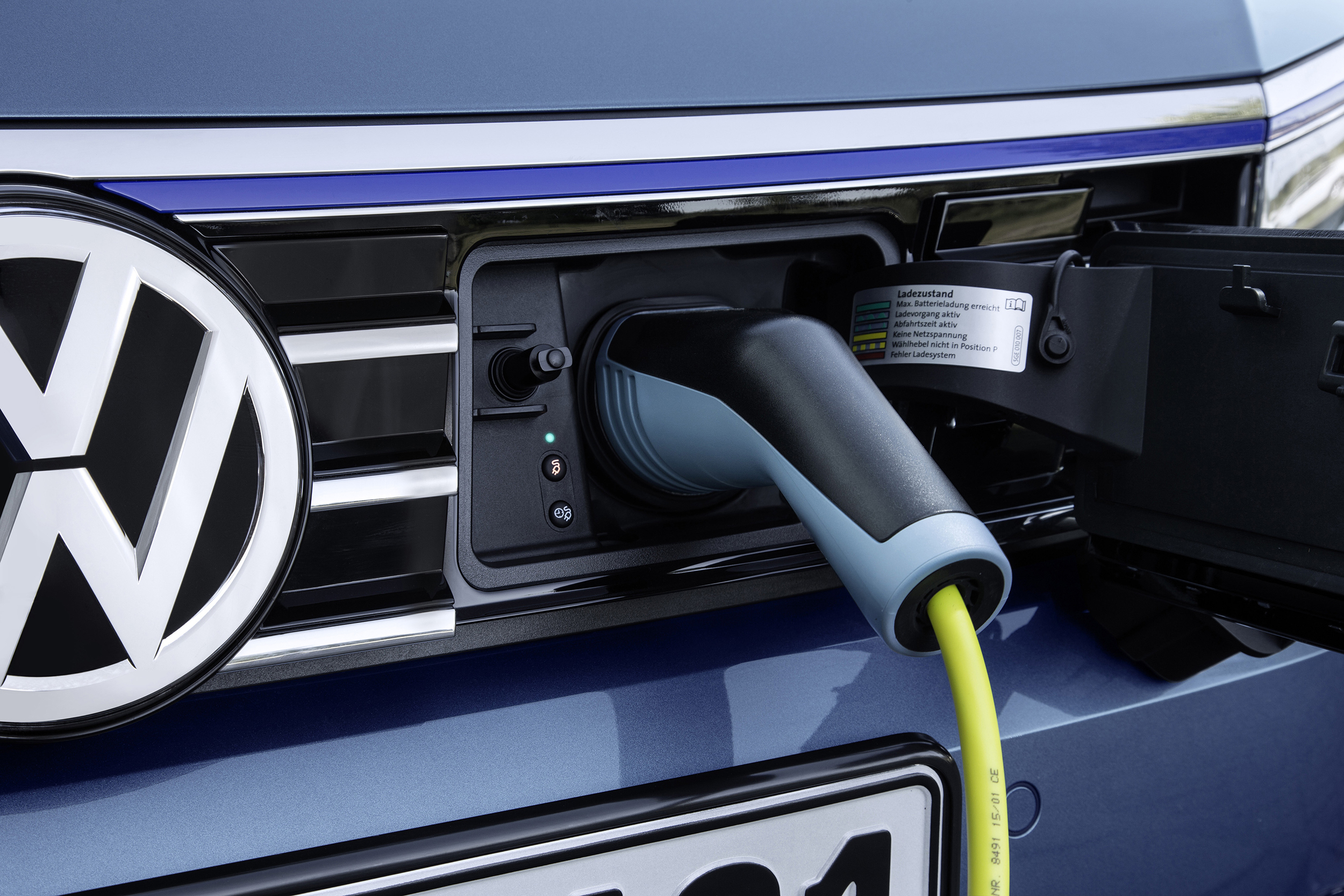
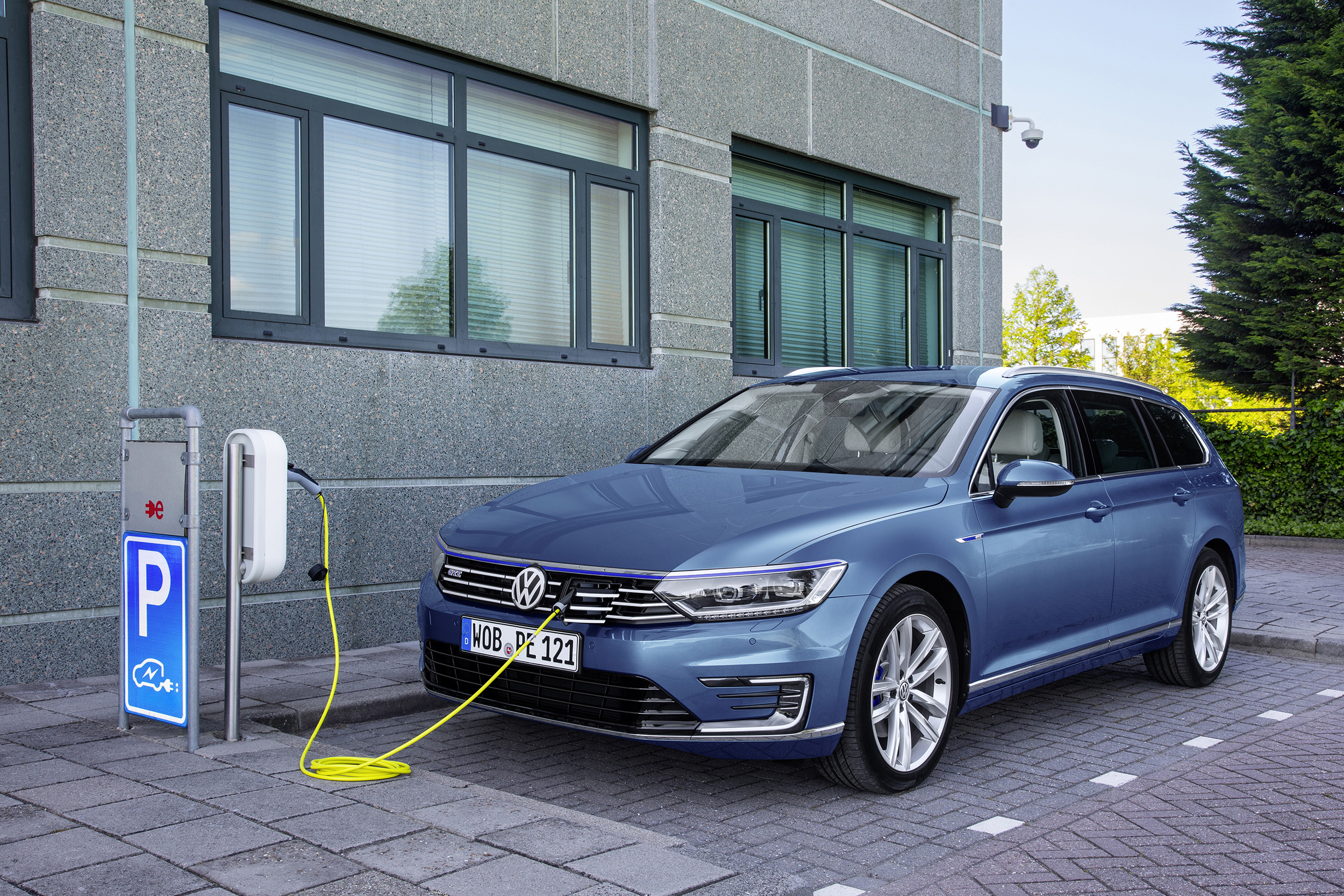
Volkswagen reveals new Passat GTE plug-in hybrid

Volkswagen has launched the new Passat GTE plug-in hybrid.

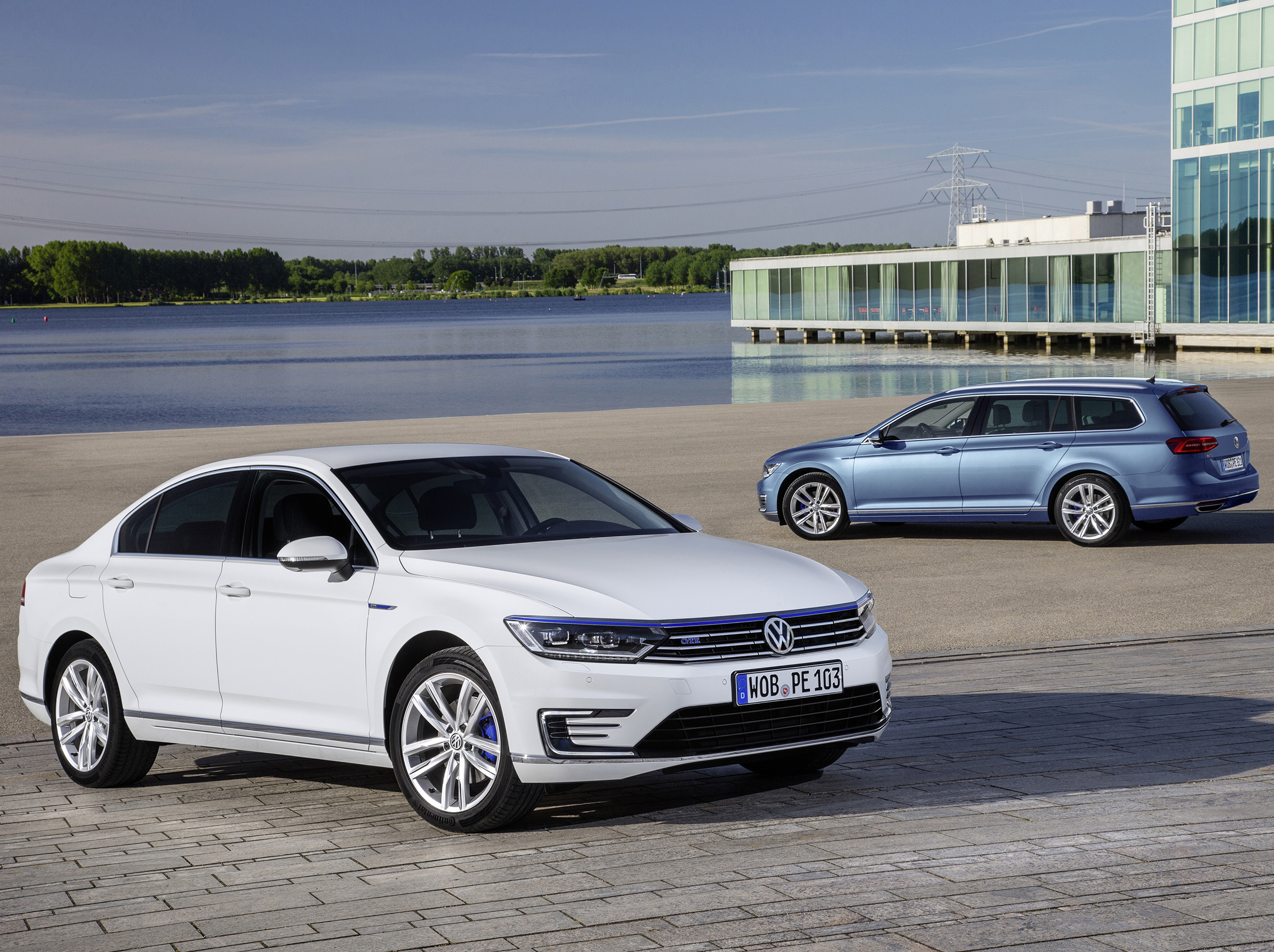
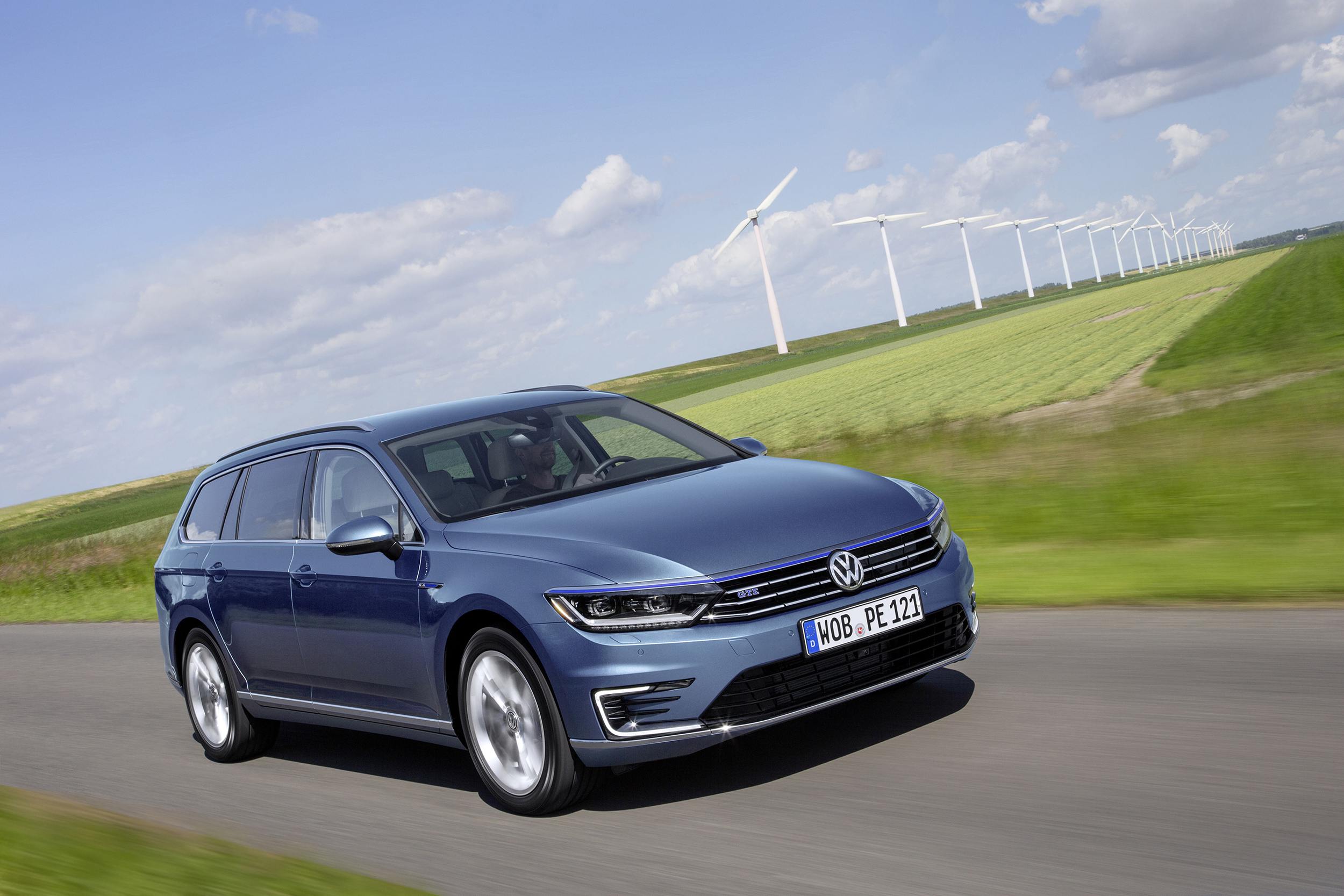
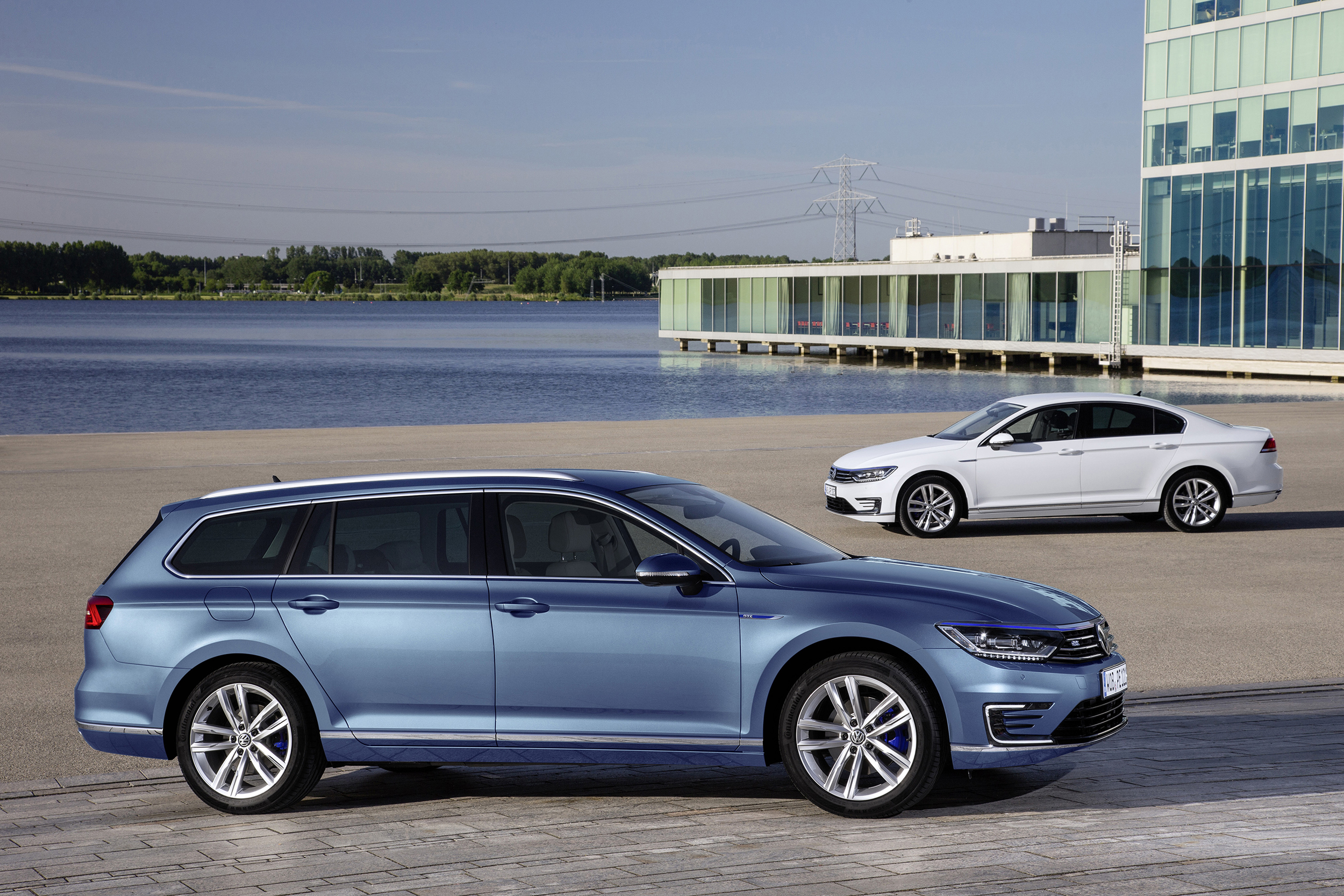
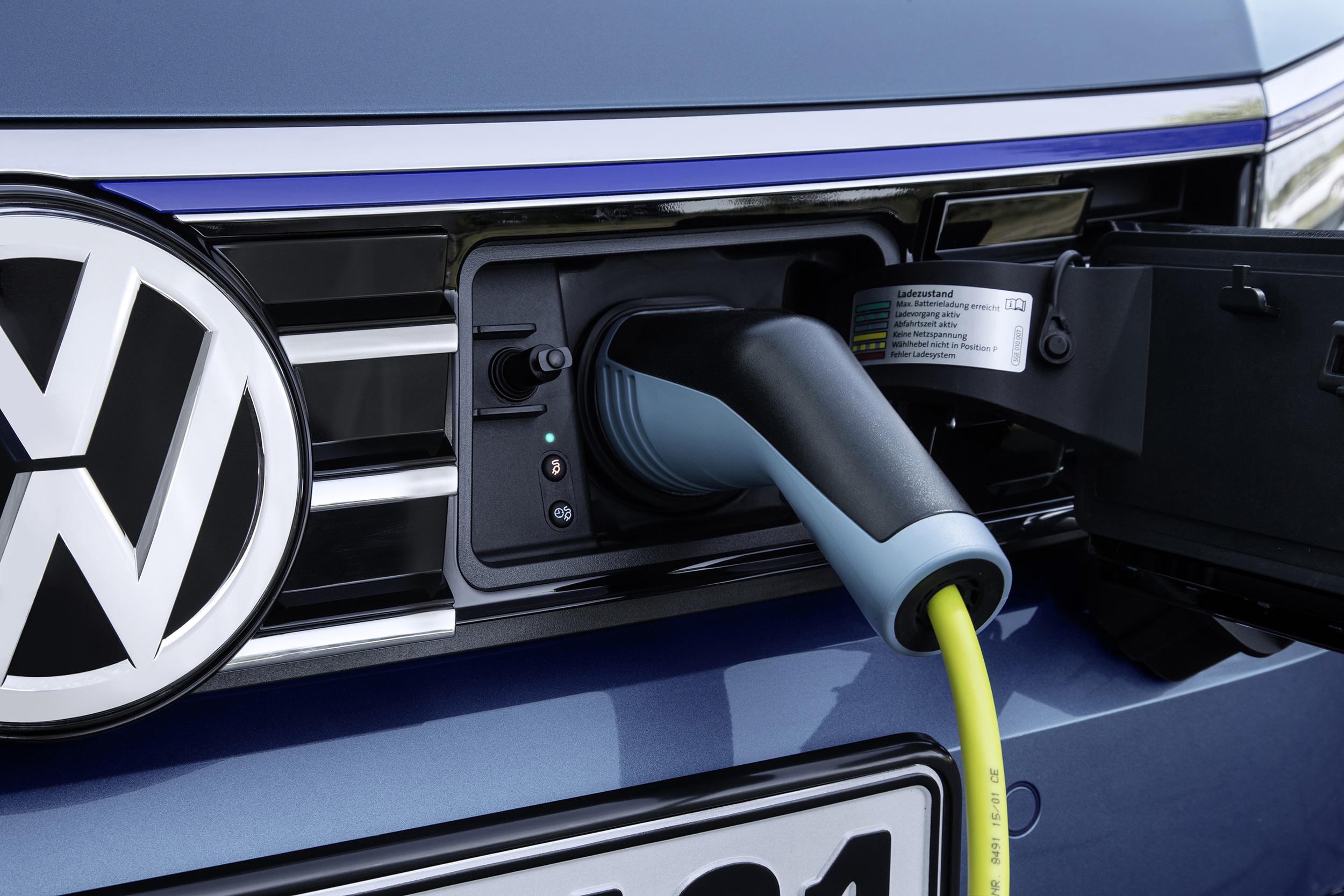
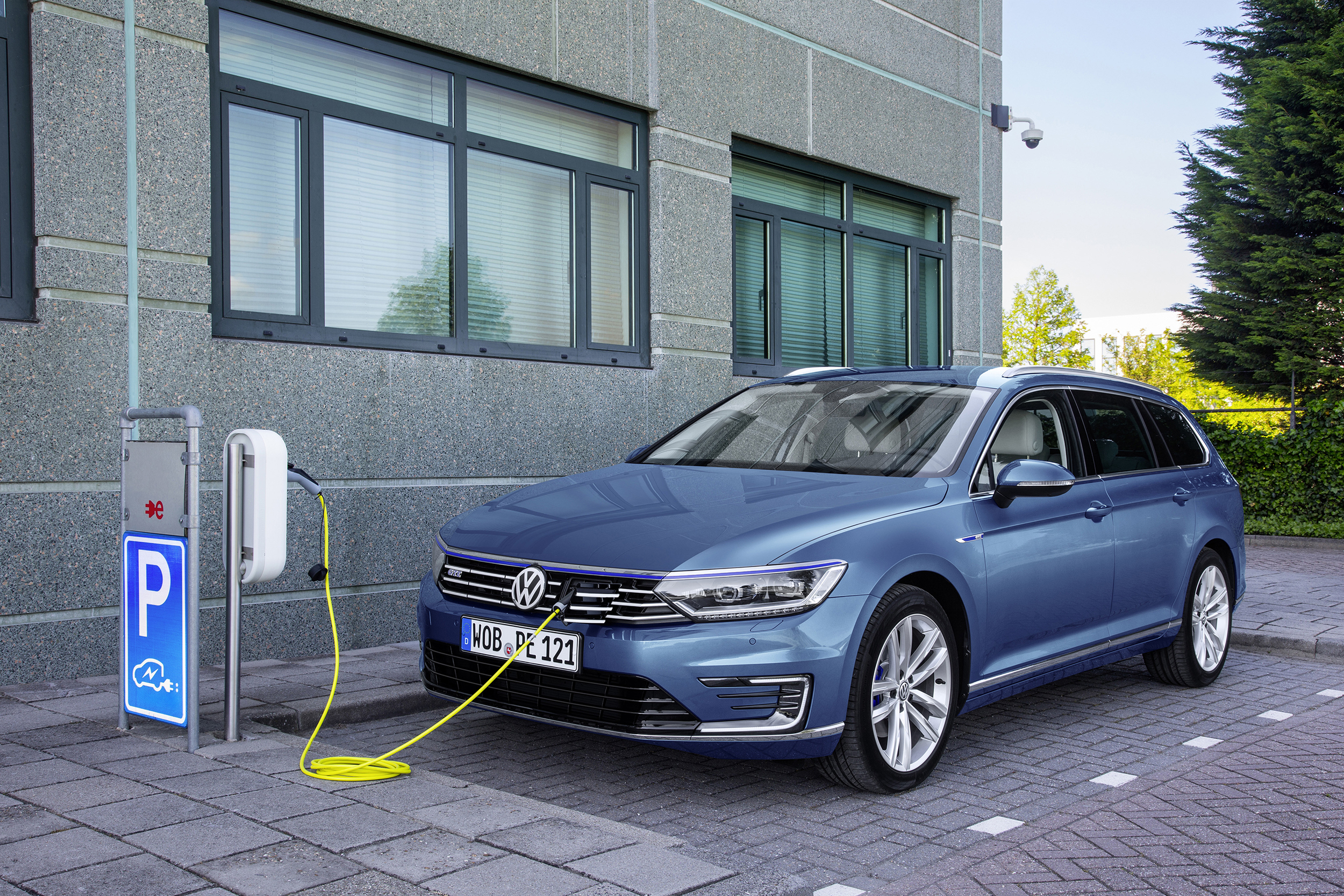
Following the Golf GTE, the new hybrid Passat is available in Saloon and Estate variants. Adding zero-emission to a long-distance touring car, VW describes the Passat GTE as a car with 'superb system output of 160 kW / 218 PS' as well as frugal NEDC fuel consumption of 147mpg and 12.2 kWh/100 km (Estate: 12.4 kWh). The Passat GTE also features an all-electric range of up to 31 miles.

Under normal operating conditions the new Passat GTE begins its journey in all-electric and thus emission-free mode. This E-Mode can also be activated at the push of a button, for example towards the end of a journey as you enter a city. In cities like London, drivers are therefore exempt from the usual congestion charge.

Volkswagen says the Passat GTE is an independent trim line. The high-tech model's 'extensive standard features' include LED headlights (for main and dipped beam), Driver Alert System, Automatic Post-Collision Braking, the Front Assist ambient traffic monitoring system including City Emergency Braking function, a rain sensor, ParkPilot for front and rear, chrome trim on the side windows and comfort seats (in the front).

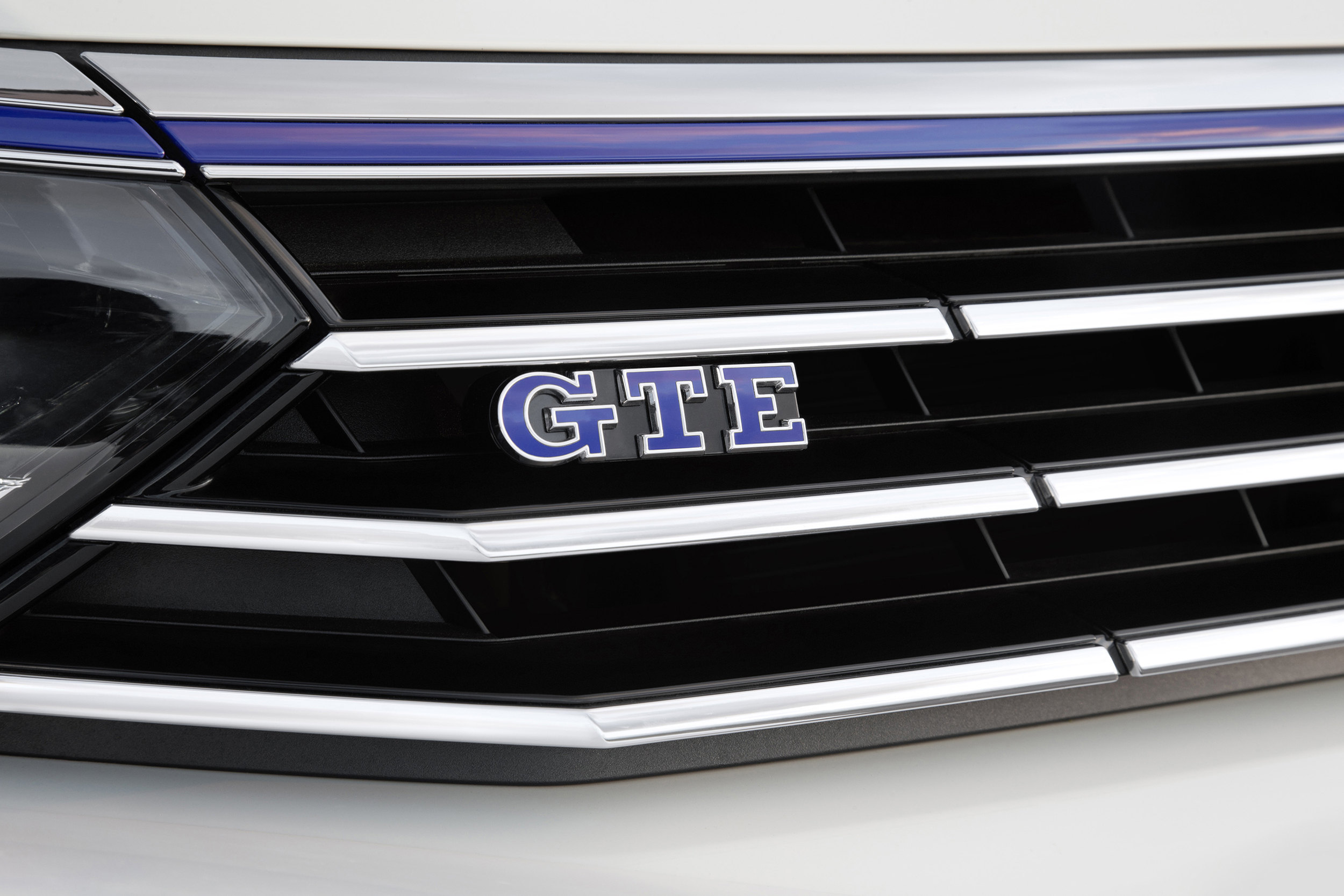
In addition, there are elements of individualisation that have been conceived solely for the Passat GTE. These include at the front a specific chrome radiator grille unit with an integrated blue stripe (the colour of Volkswagen electric motoring) a completely redesigned bumper with a C-shaped LED daytime running light signature and 17-inch Montpellier alloy wheels.

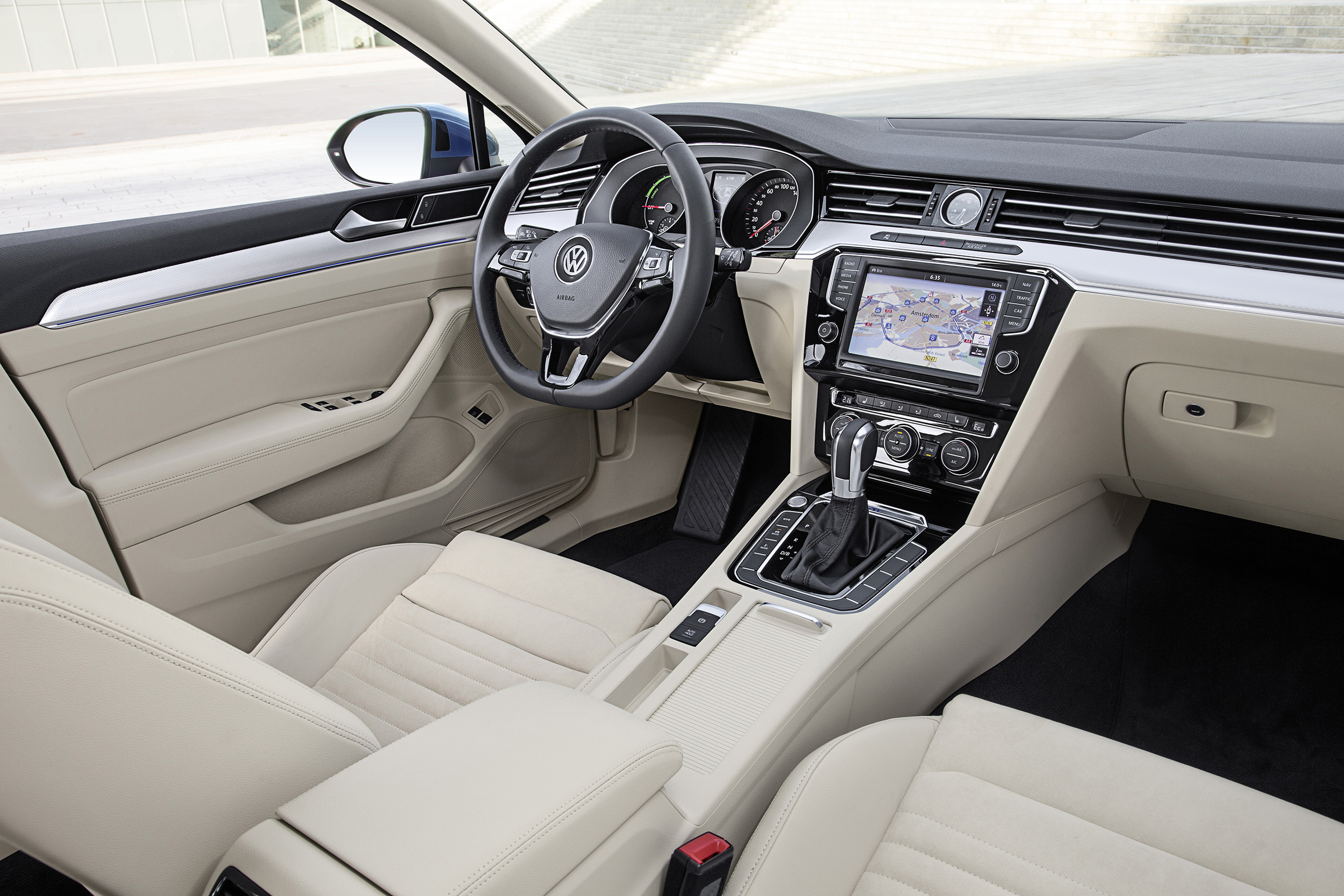
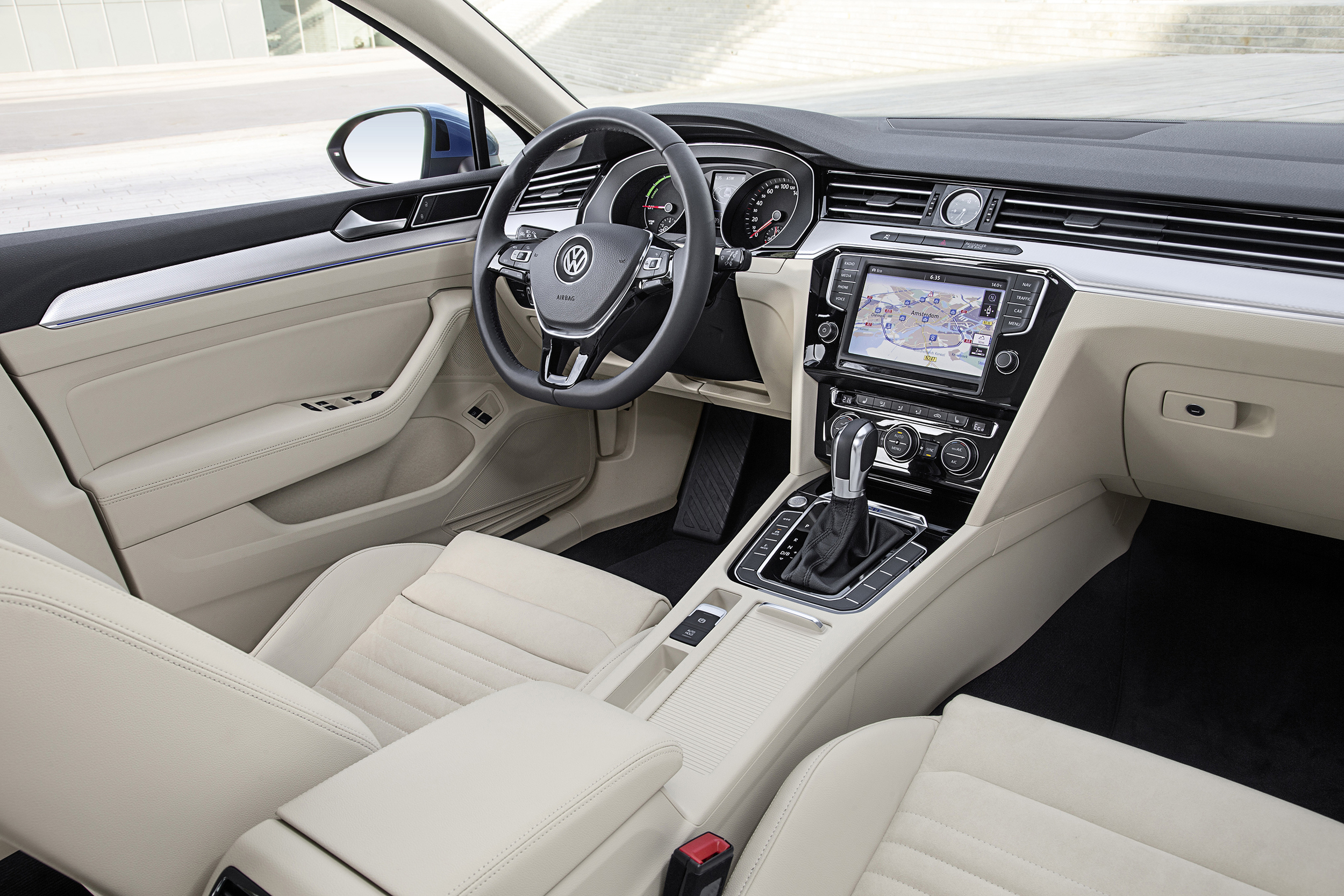
On the inside, the interior has also been 'conceptually aligned to the new drive system'. The Media infotainment system features a dedicated menu matrix to the functions and displays specific to the plug-in hybrid's drive system while standard details such as the blue ambient lighting, the multi-function leather steering wheel with blue decorative stitching, a GTE-specific gear knob with blue stitching and the seats, likewise with a matching blue basic structure.

The Passat GTE and Passat GTE Estate will arrive on the European market this autumn, prices have yet to be announced.

Coupe, Hatchback, News

Kelly Brook stars in Hyundai i20 short comedy

Hyundai has revealed a short comedy promoting its new i20, starring Kelly Brook and actor/comedian Tom Stourton.

Showcasing the new i20 hatchback and the i20 Coupe, the film is the fifth installment of the 'Honest Series'. The latest episode features hapless Hyundai car salesman, George who, as ever, has to deal with some difficult customers: this time a feuding couple (Brook & Stourton) who can't agree over anything, let alone whether they want the i20 or the i20 Coupe. The series of films have been designed to deliver engaging content 'with inherent social media currency' - as well as showing off Hyundai's model range, whilst upping the ante of the comedy.

Writer and director, Ollie Parsons explained: "We treated this series like a sitcom - not an ad - writing and producing it as you would any other TV comedy. This isn't only about making the audience laugh; it is also about quickly engaging them with the story and establishing the characters."

Adam Nickson, Head of Brand Strategy and Communications, says: "We wanted to push the boundaries with this new film and to entertain our audience. The latest episode, featuring arguing couple Kelly Brook and Tom Stourton, plays out a situation that many consumers may be able to relate to - we just took things that one step further!

"Laughter has long been known for its benefits to health and happiness but it's also a great way of building positive social relationships and that's precisely what we hope to achieve with this series."

To view the latest video, visit the Hyundai UK YouTube channel here https://youtu.be/sb07y7n6KkU

News, Estate Car

Honda sets Guinness World Record for fuel efficiency

Honda has set a new Guinness World Record title for 'Lowest fuel consumption - all 24 contiguous EU countries (all cars)'.

Averaging 100.31 miles per gallon in a 8,387 mile drive, the record was set in a Honda Civic Tourer 1.6 i-DTEC. Behind the wheel for the entire journey were two members of Honda's European Research & Development (R&D) team, Fergal McGrath and Julian Warren, who took on the challenge to further demonstrate the real-world fuel economy of the Tourer.

The distance travelled is similar to the team driving to Australia from their home in the UK, stopping just nine times to refuel. The Civic Tourer achieved an average 932 miles on each tank of fuel, at a total fuel cost for the whole journey of just £459 (calculated on average UK diesel price during June 2015).

The team set out on their epic road trip from Aalst, Belgium, navigating the continent in a clockwise direction. They returned to their start point 25 days later, setting the fuel economy figures which exceed the Tourer's quoted efficiency of 74.3mpg by more than 25 per cent.

Fergal McGrath comments: "It was tough, but we really enjoyed it, and setting this new Guinness World Record title has made all of the hard work worthwhile. This was a huge team effort so I'd like to thank everyone involved for all of their commitment and support. After spending so much time behind the wheel Julian and I are just happy to be back behind our desks for a while!"

The official Guinness World Record title is 'Lowest Fuel Consumption - all 24 contiguous EU countries' measured in litres per 100km and miles per gallon calculated over the entire journey.

Under the rules the same two drivers must be in the car for the whole journey, giving Fergal and Warren the challenge of driving an average of approximately 380 miles, taking around 7.5 hours, each day.

Based on strict guidelines, the Guinness World Record title attempt required the car to enter each of the 24 countries specified, collecting a range of evidence including a fuel/mileage logbook, GPS readings, video and photographs and independent witness signatures to prove that it has done so. To ensure accurate monitoring of the route, journey time and distance driven, the record car was fitted with a tracking device, provided by fleet telematics and stolen vehicle recovery expert, TRACKER (part of the Tantalum Corporation).

Under the rules of the record title attempt the car must be a standard model in every respect, with no modifications to create an advantage, to replicate 'real world' conditions. This was judged by independent witnesses at the beginning and end of the attempt. Fuelling was carried out at regular filling stations, with the tank filled to the maximum at each stop to ensure no weight advantage. Additionally, tyres were inflated to the recommended pressures and the wheel alignment set to factory specification to represent the experience of the regular customer.

The team, both amateur drivers, were also keen to show that through adopting some simple but very effective driving techniques, anybody could achieve the record breaking fuel economy. They simply used some very logical methods including careful and sensible route planning, driving smoothly and consistently without harsh acceleration or braking, anticipating the road conditions ahead, carrying no unnecessary weight, and ensuring that the car was correctly maintained at all times. Driving speed was always within the law and keeping up with traffic conditions.

Leon Brannan, Head of Cars for Honda (UK) comments: "This is an incredible achievement and the team should all be very proud of the efforts that they have put in to set this new Guinness World Record. Driving the equivalent distance from their home in the UK to Australia in just 25 days is a huge challenge very few would take on. The fuel economy figures are remarkable - particularly when you consider that this is not a small car, but an estate with class-leading load space and vast practicality."

Crossover, Electric, SUV, News

Ford EcoSport gets new upgrades

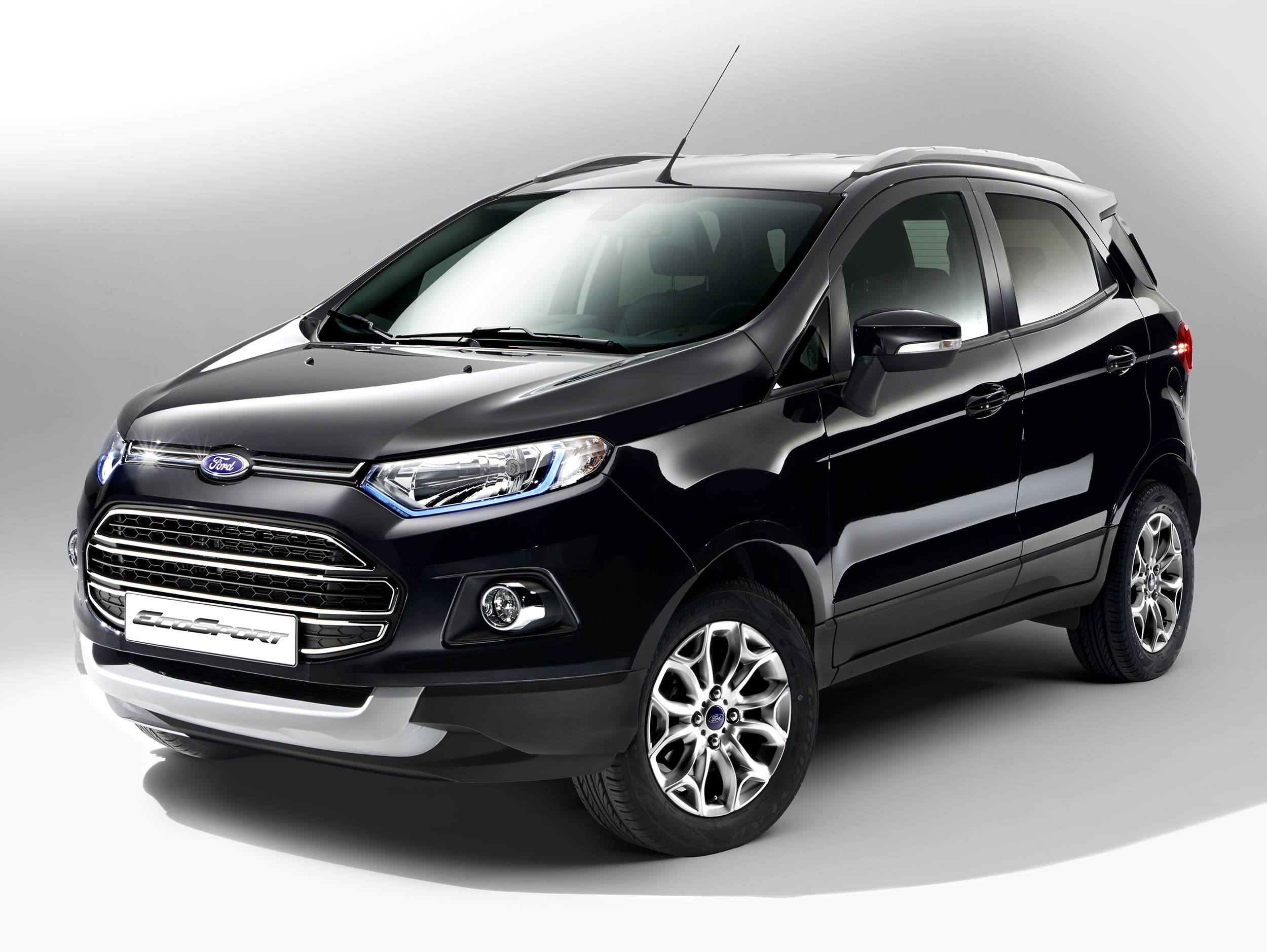
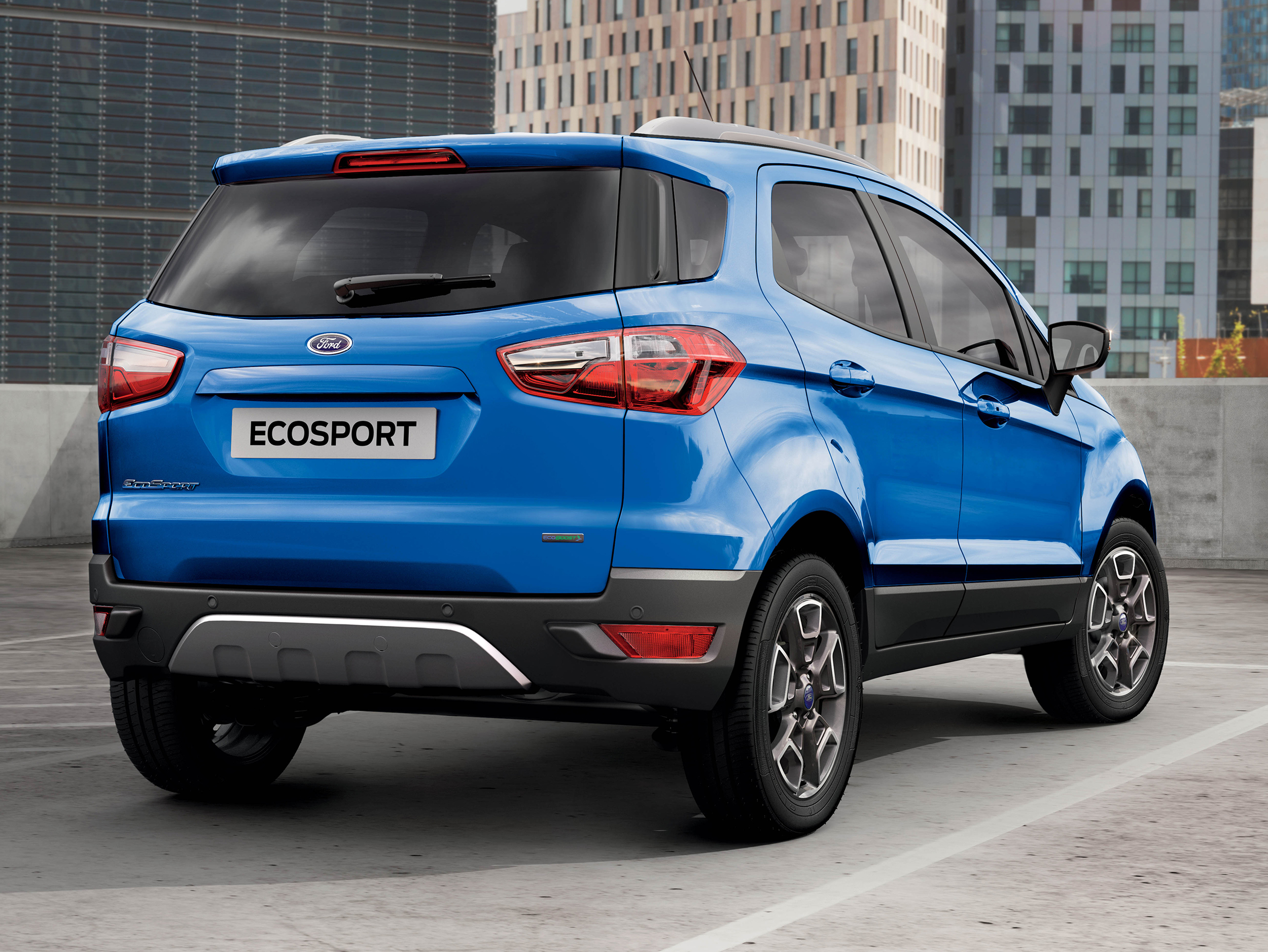
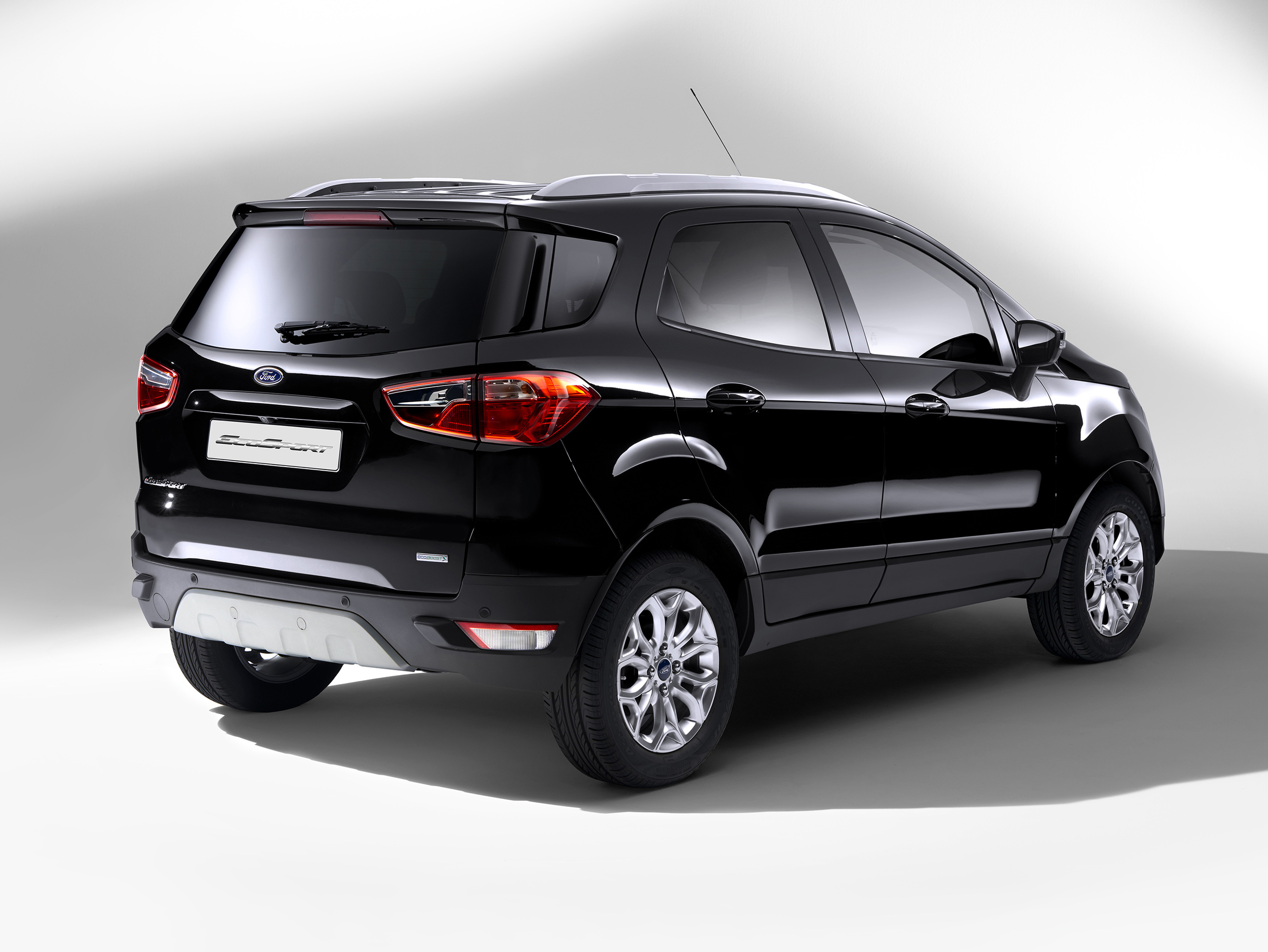
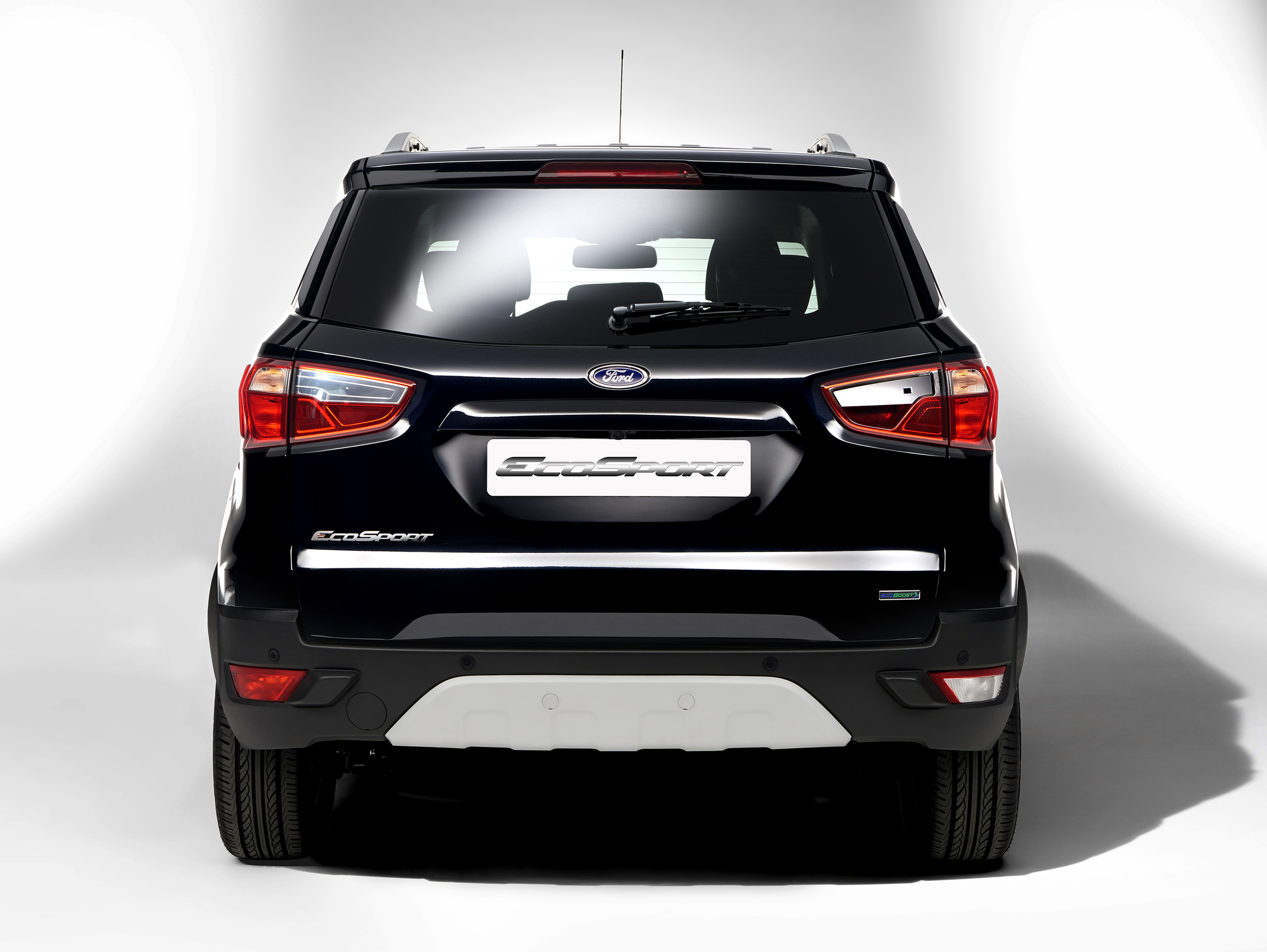
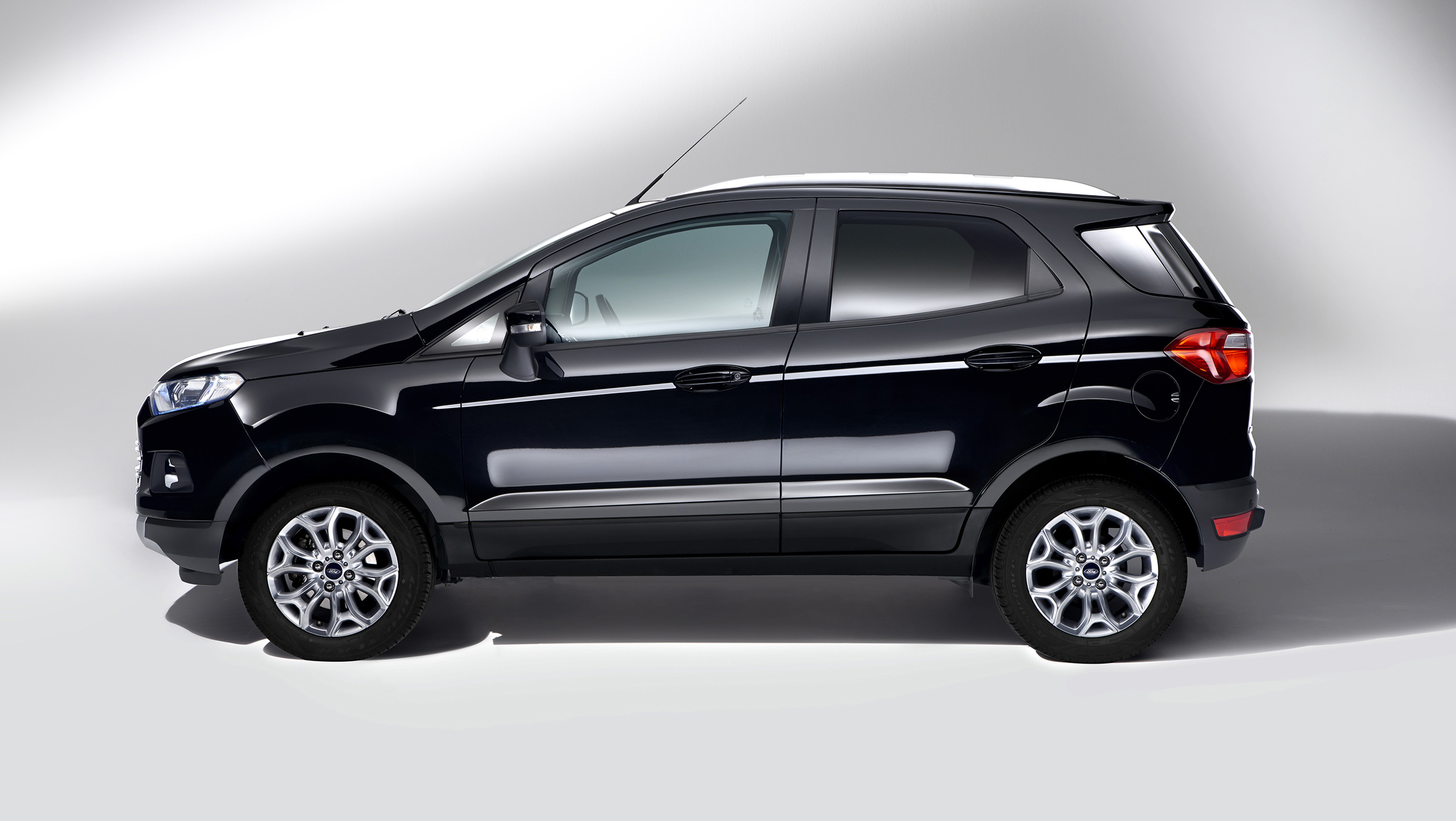
The Ford EcoSport has received new styling upgrades, improved driving dynamics and new equipment for 2015.

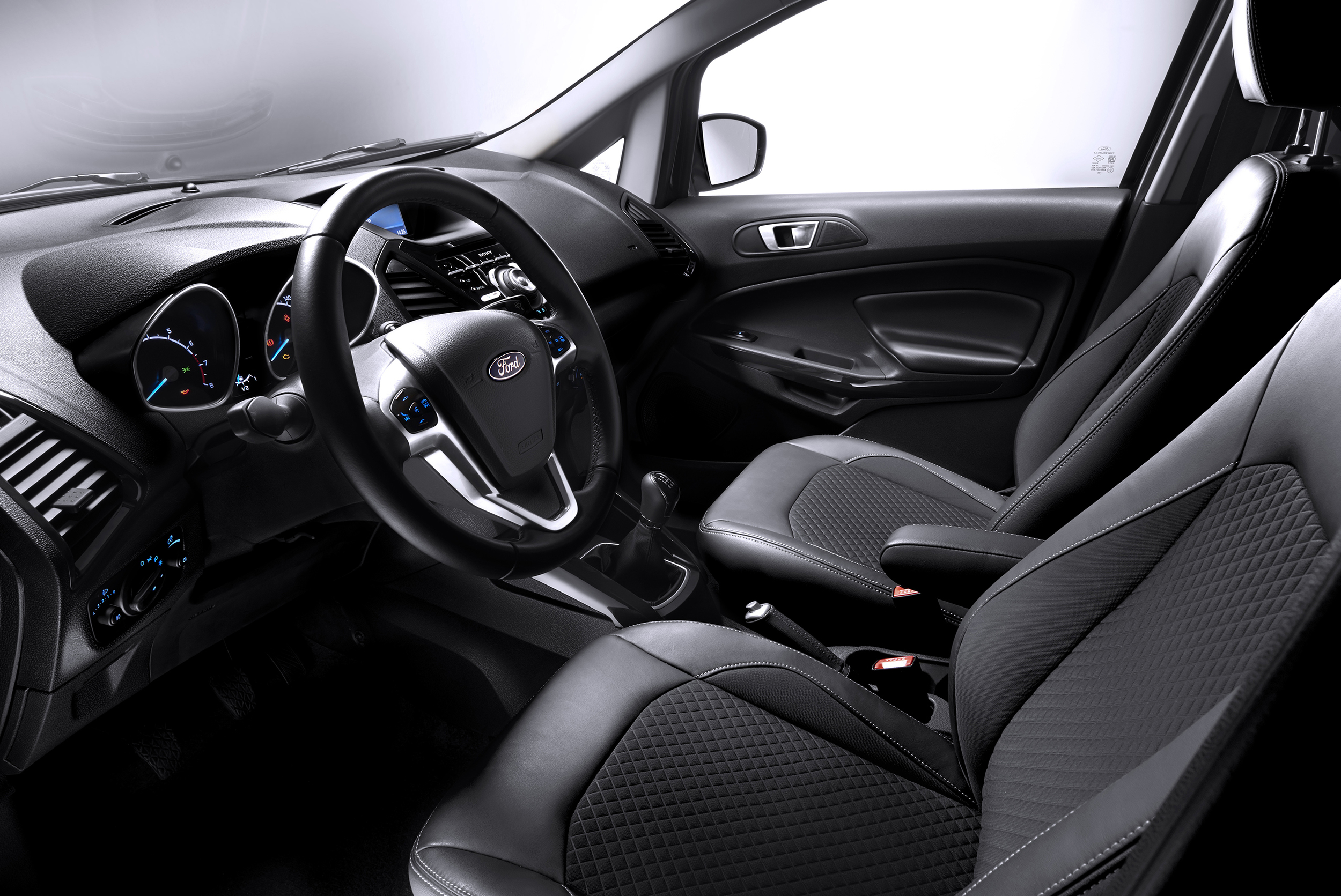
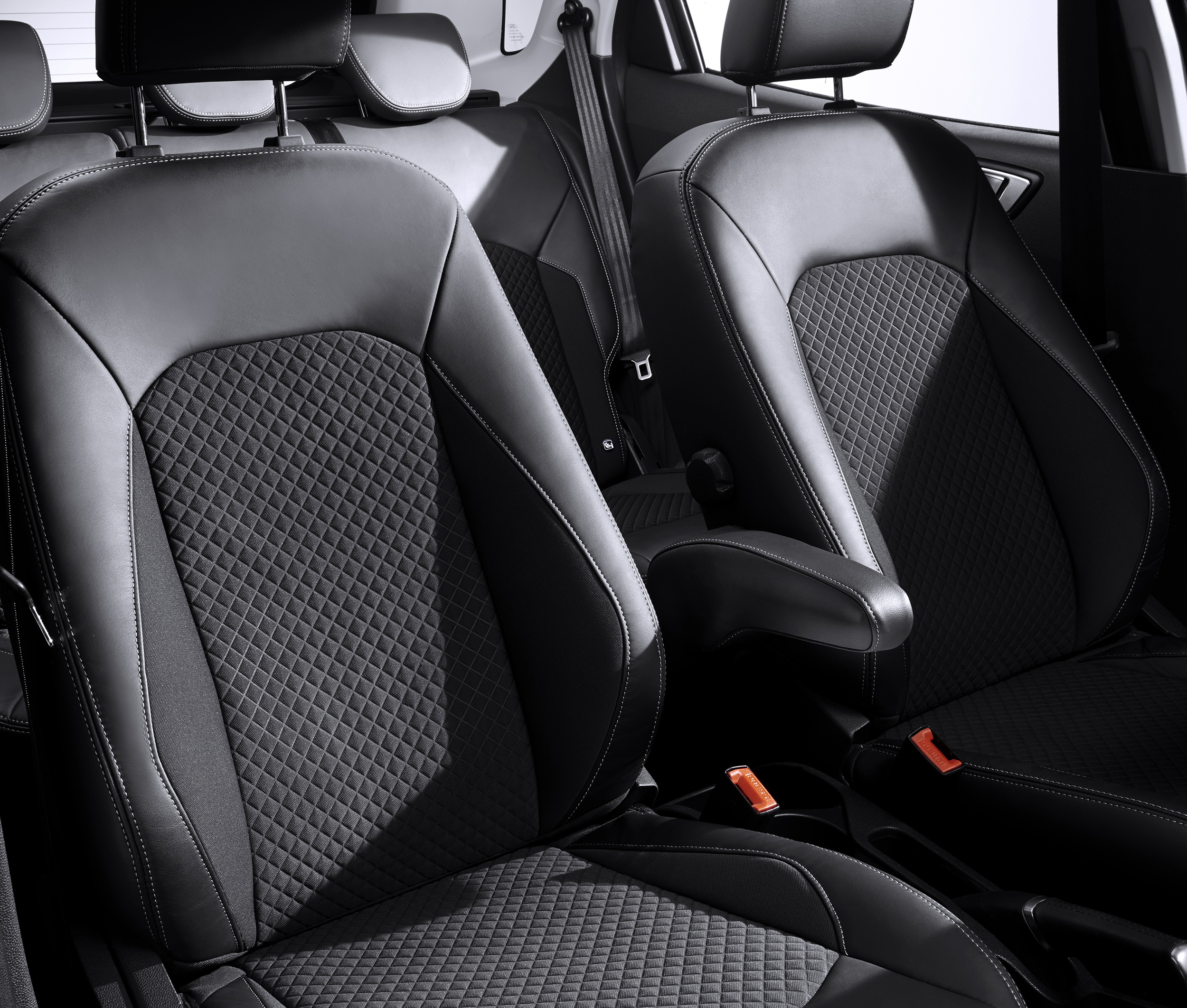
Customers can now specify the compact SUV without the rear-mounted spare wheel, while interior improvements include standard partial leather seats for Titanium models and additional chrome detailing. Driving dynamics have been improved with revisions to the springs, dampers, rear torsion beam, Electronic Stability Programme, and Electronic Power Assisted Steering settings.

Convenience and comfort are also enhanced with a Winter Pack - featuring heated windscreen, heated mirrors and heated front seats. Models specified without the rear-mounted spare wheel feature a tyre mobility kit as standard, while the rear swing-gate design for those vehicles also has been revised to allow easier access to the bootspace with partial opening.

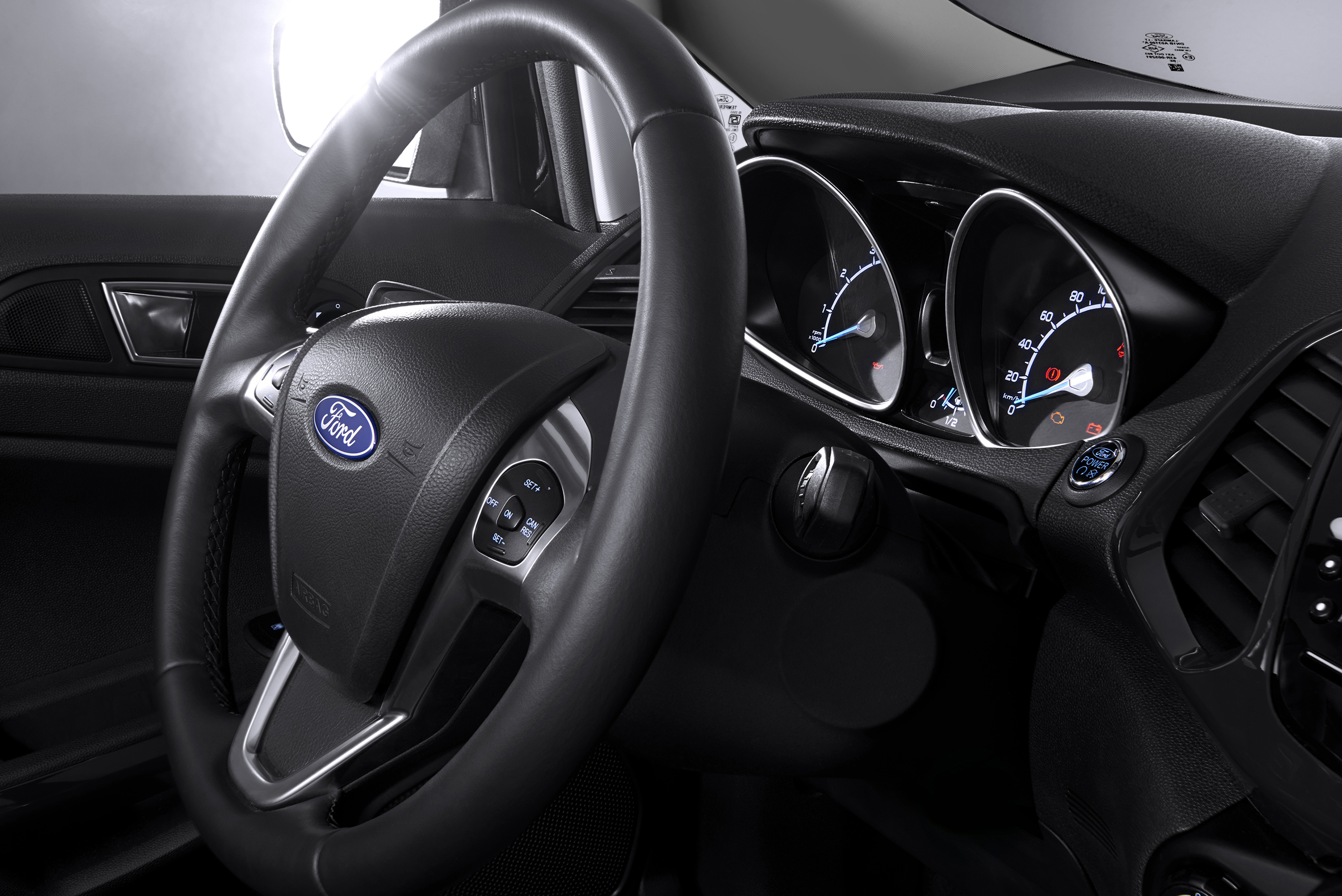
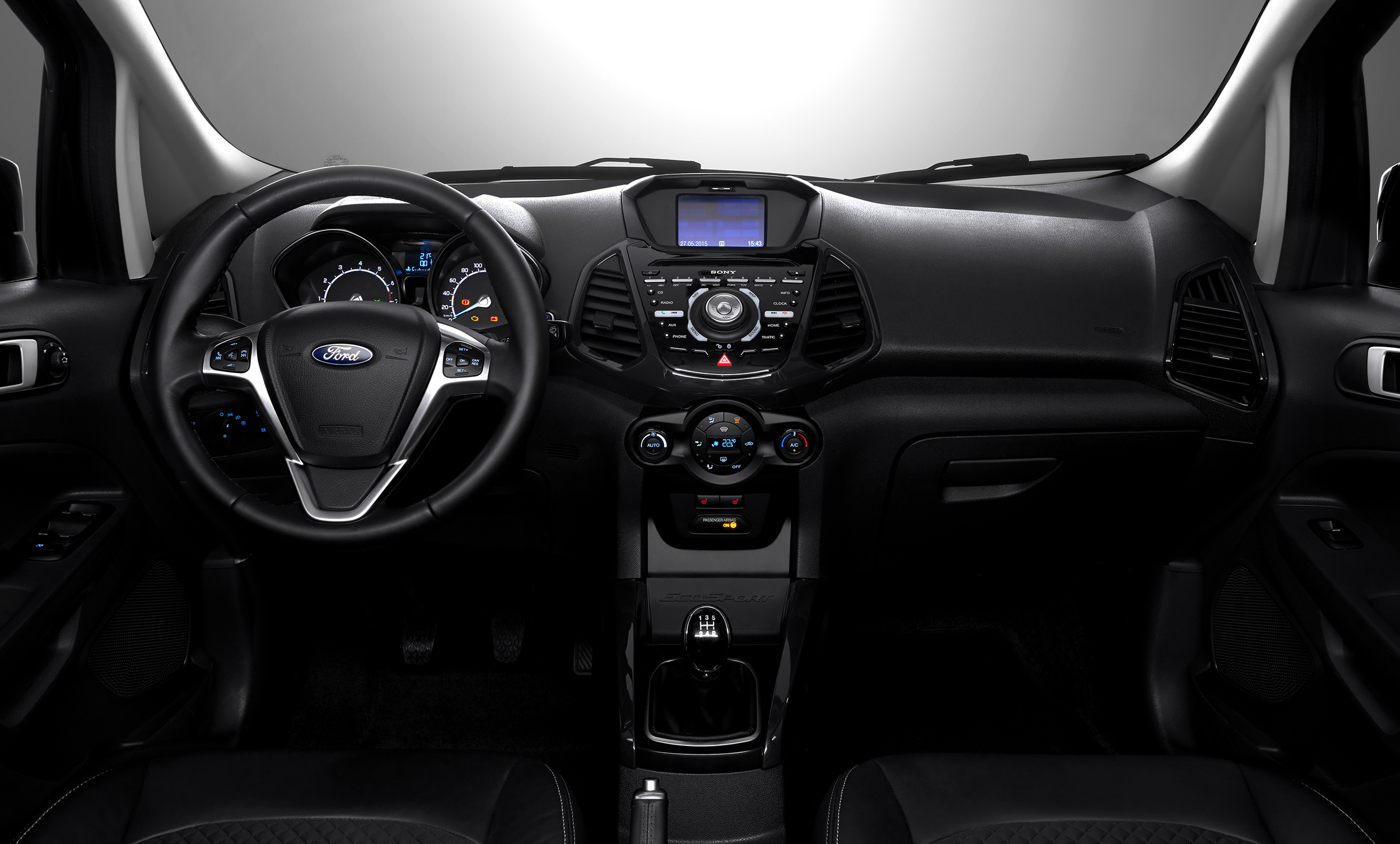
Inside, privacy glass is available for all EcoSport trim levels, while the Winter Pack also adds rear seat ventilation at floor level to improve comfort for rear passengers in cold weather. The restyled interior has a charcoal black lower instrument panel, centre console and door boards. The instrument cluster now features a light dimming function and chrome-surround rings to match the electric window switches.

Refinement has been enhanced with thicker sound deadening materials in the doors and dashboard, as well as tighter seals around the pedals. Engine and gearbox matching has been revised to offer more low speed torque and better drivability.

'Significant' improvements to the EcoSport's driving dynamics follow development work at the Ford Lommel Proving Ground, where 50 miles of test tracks include replicas of European road surfaces. This resulted in a stiffer rear torsion beam being added, offering 'greater control of body roll', and revised spring and shock absorber rates improve damping.

A 10mm reduction in ride height lowers the car's centre of gravity for improved handling, and Electronic Stability Control and power steering systems also have been specifically tuned for European roads.

The 1.5-litre TDCi also now offers 95PS, a 5PS improvement, and delivers 64.2mpg and 115g/km CO2. The 125PS 1.0-litre EcoBoost delivers 52.3mpg and 125g/km CO2, while the 1.5-litre Ti-VCT engine delivers 44.8mpg and 149g/km CO2. All engines now meet Euro Stage 6 emissions standards.

Further technology that will be available later this year for EcoSport, for the first time including satellite navigation and Rear View Camera to help drivers manoeuvre the vehicle when in reverse.

Prices for the revamped Ford EcoSport start from £14,245 OTR and is available to order now, for an October delivery.